Wasabi: Real Vs. Imitation in Japanese Cuisine
A dive into the world of wasabi reveals the stark differences between authentic and imitation, altering the essence of Japanese cuisine—discover why.
Subscribe to be the first to learn about a new recipe. Sign up today!

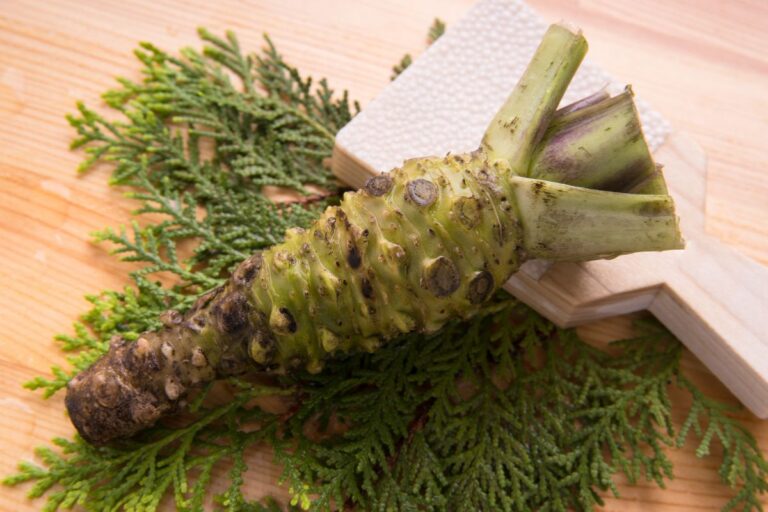
A dive into the world of wasabi reveals the stark differences between authentic and imitation, altering the essence of Japanese cuisine—discover why.

Are you someone who loves Japanese cuisine but struggles to find gluten and dairy-free options? Look no further! In this article, we will explore the world of traditional Japanese dishes that are naturally free from gluten and dairy. We will also provide you with a list of common ingredients to watch out for and offer
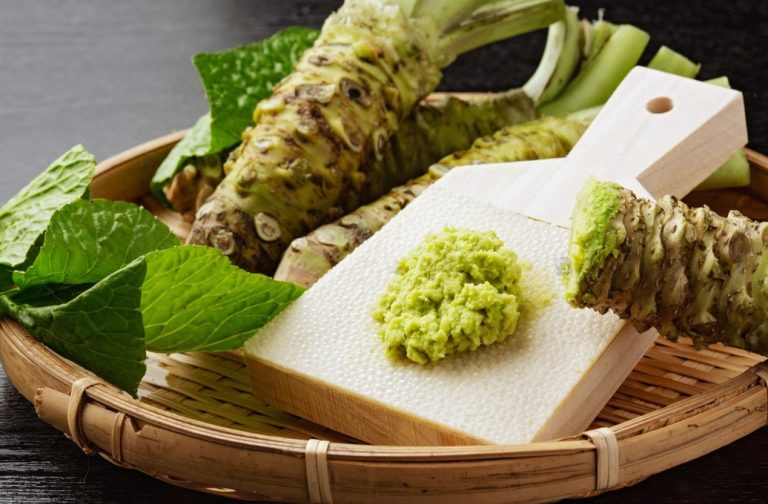
Are you curious about whether wasabi can kill bacteria? Wasabi, a popular condiment with a unique flavor, has potentially been found to possess antibacterial properties. Native to Japan and commonly used in Japanese cuisine, this plant contains compounds called isothiocyanates, giving it a distinctive taste and potential health benefits. While some research suggests promising results,

Wasabi is often placed alongside or as a condiment to sushi. Sometimes in a small bowl offered like a blob of green paste as an addition to soy sauce. However, it is not wasabi you’re actually consuming but a wasabi-like kind of a taste, an imitation. So, What’s Real Wasabi Made Of? Wasabi is made