Uji Gyokuro: Japan’s Premier Shade-Grown Green Tea
Uji gyokuro sits at the apex of Japanese green
What Is Uji and Why Does It Matter
Uji is a small city just south of Kyoto with 800 years of
Today, Uji gyokuro commands the highest prices in the Japanese
The Shading Process: What It Does to the Tea
Covering gyokuro plants for 20 to 30 days before harvest is the defining intervention. When sunlight is blocked, the plant cannot convert L-theanine into catechins via photosynthesis. The L-theanine accumulates to extraordinary levels. Simultaneously, chlorophyll increases (the plant compensates for low light by producing more), creating the vivid dark green color gyokuro is known for.
The results in the cup:
- L-theanine concentration — 35-46mg per gram, the highest of any
tea style - Umami intensity — thick, savory, almost broth-like character
- Minimal astringency — the catechins that create bitterness are suppressed by shading
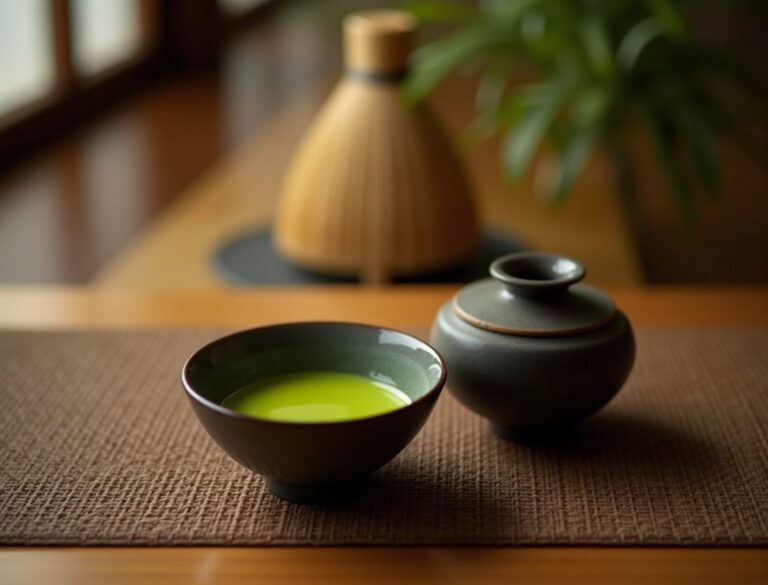
- Dark green color — in the leaf and in the brewed cup
- Distinct seaweed-like aroma — called “ooika” in Japanese, a characteristic that experts prize
How to Brew Uji Gyokuro
Gyokuro requires a completely different brewing approach than sencha. Using the wrong temperature destroys what makes it special.
Traditional gyokuro brewing:
- Water temperature: 50-60C (this is not a typo)
- Leaf ratio: 1 teaspoon per 40-60ml water (very small volume)
- Steep time: 90-120 seconds
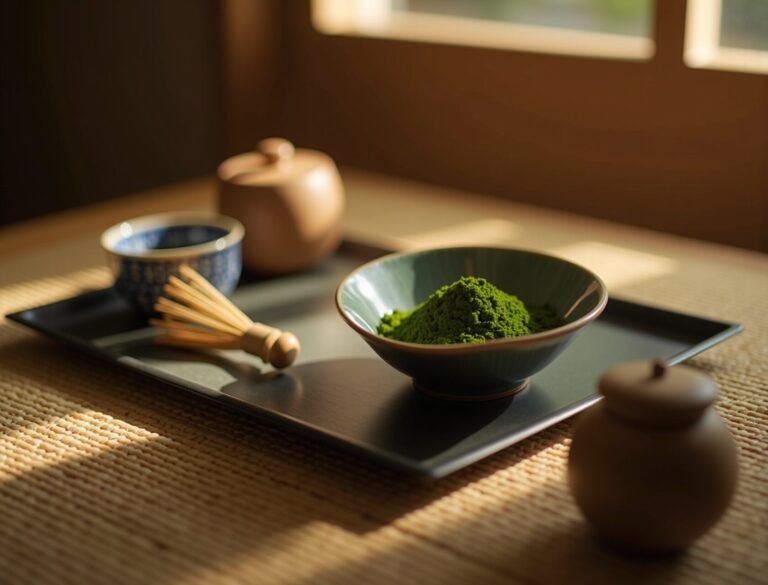
- Vessel: a small shiboridashi or houhin (small handle-less ceramic teapot)
The low temperature is critical. At 50C, L-theanine and sugars extract efficiently but catechins (bitter compounds) do not. The result is the thick, sweet, savory cup gyokuro is known for. Brew it at 80C and you get an astringent, unpleasant mess.
To reach 50C: boil water, pour into your kyusu, pour from kyusu into a pre-warmed teacup, pour from the teacup into your brewing vessel. Each transfer drops approximately 10C. See our Uji gyokuro selection here.
The Flavor Experience
The first sip of properly brewed gyokuro can be startling if you’re accustomed to regular green
Premium Uji gyokuro adds floral and fruity notes on top of this base — hints of edamame, melon, or even orchid depending on the specific cultivar and farm. The layering of flavors in a single cup is genuinely remarkable.
Gyokuro Cultivars Worth Knowing
Different
- Yabukita — the standard cultivar, reliable and classic; 80% of Japanese
tea production - Okumidori — particularly well-suited to shading; produces richer umami in gyokuro
- Samidori — a Uji-native cultivar; elegant, refined, more floral
- Gokoh (Gokou) — rare Uji heirloom cultivar; extraordinarily complex, commands the highest prices
Is Uji Gyokuro Worth the Price?
Premium Uji gyokuro can cost 10 to 20 times more per gram than everyday sencha. Is it worth it? For a daily
Consider starting with a mid-grade Uji gyokuro before investing in top-tier. Even entry-level authentic Uji gyokuro is dramatically different from mass-market green
Frequently Asked Questions
Why does gyokuro brew at such a low temperature?
The 50-60C range maximizes L-theanine and sugar extraction while keeping catechin (bitter tannin) extraction minimal. Catechins extract rapidly above 70C. At lower temperatures, the sweet and savory compounds dominate, which is exactly what gyokuro’s flavor is built on. Brewing at normal
How is Uji gyokuro different from gyokuro from other regions?
Yame (Fukuoka) and Asahina (Shizuoka) also produce high-quality gyokuro. Uji gyokuro tends to have the most refined, complex flavor with better balance of umami and sweetness. Yame gyokuro is sometimes considered more intense and savory. Regional preference matters, but Uji is generally considered the benchmark.
Can I re-steep Uji gyokuro?
Yes, and the second steep is often considered the best. Second steep: increase temperature to 60C, reduce time to 60 seconds. Third steep: 70C, 45 seconds. The subsequent steeps reveal different facets of the leaf — often sweeter and more delicate than the thick first steep.
What is “ooika” in gyokuro?
Ooika is the characteristic seaweed-like, marine aroma that develops in shade-grown
How should I store Uji gyokuro?
Gyokuro is particularly sensitive to oxygen and moisture. Store in an airtight tin, away from light and strong odors. Refrigeration is acceptable if perfectly sealed. Consume within 4-6 months of the harvest date for peak quality. Once opened, consume within 2-3 weeks for best aroma.