Tea With Sushi: The Perfect Japanese Pairing Guide
Every sushi restaurant in Japan serves
Why Sushi Restaurants Serve Konacha
The
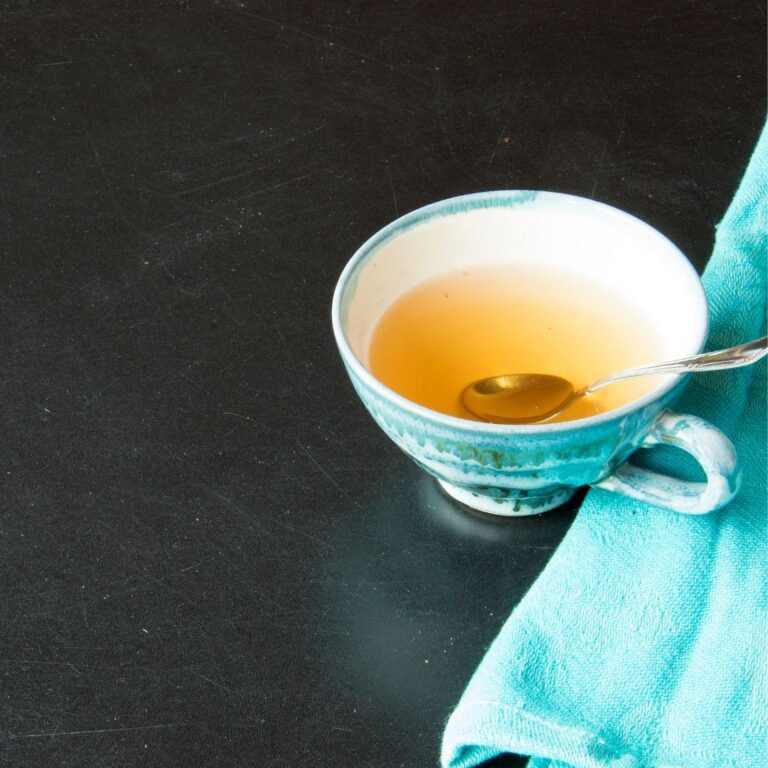
Konacha has high catechin content and some tannins that actively work to neutralize fishy odors (trimethylamine). The strong, slightly astringent character cleanses the palate after rich, fatty fish like toro or salmon. The hot temperature keeps it functional as a palate reset between bites.
It’s not the most elegant
Premium Tea Pairings for Home Sushi
If you’re making sushi at home and want to elevate the experience beyond the sushi bar standard, here’s how to match
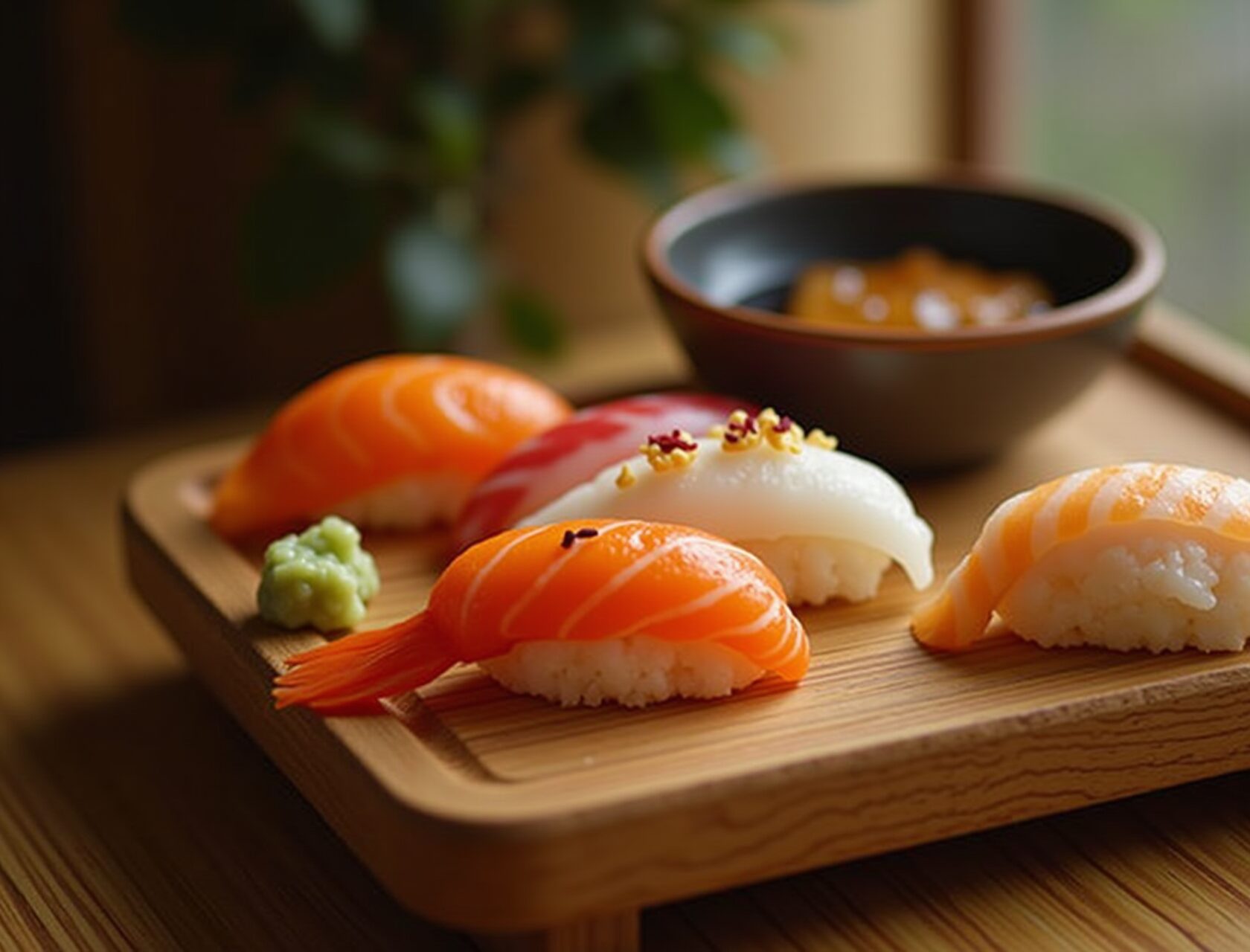
Light white fish (flounder, sea bream, tai):
Delicate sencha or kabusecha. The brightness of the
Fatty fish (salmon, toro, yellowtail):
Strong sencha or konacha, brewed slightly hot (80C). The catechins cut through the fat and the stronger character stands up to the rich flavor. This is where the sushi bar formula applies.
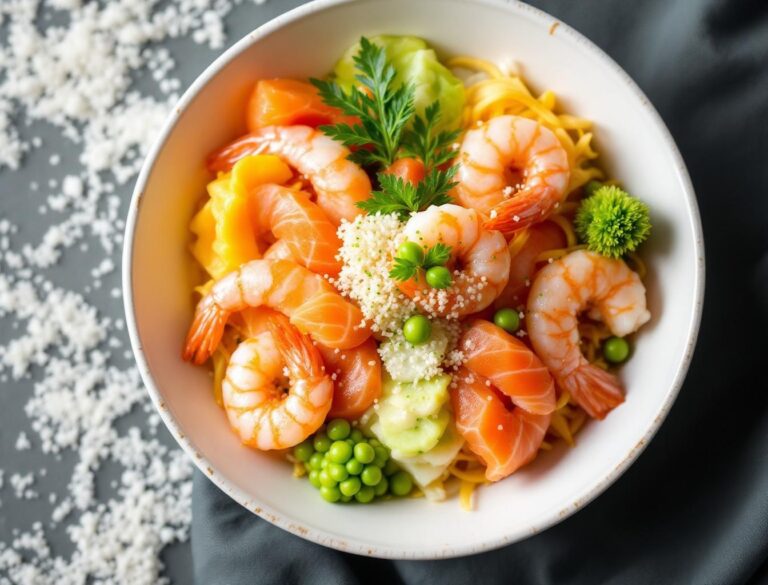
Shellfish (scallop, shrimp, clam):
Gyokuro or kabusecha. The umami of shade-grown
Sea urchin (uni):
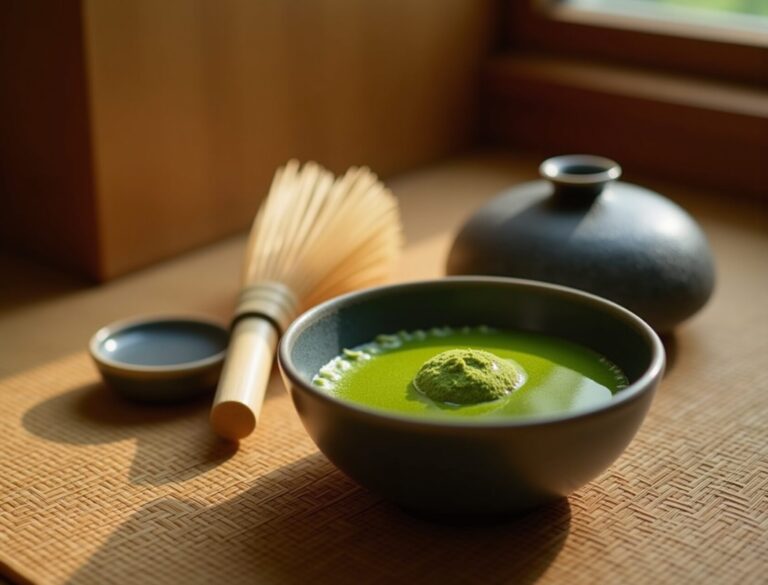
Gyokuro, without question. The creamy, oceanic richness of uni and the savory, umami-dense character of gyokuro at 55C is one of the great food and beverage pairings in Japanese cuisine. Both work on similar flavor frequencies.
Pickled ginger (gari) and wasabi:
Serve alongside any of the above. The palate reset function works with
Nori in Sushi and Tea Pairing
Maki rolls and temaki (hand rolls) wrapped in nori introduce a sea-vegetable element. The marine, mineral quality of nori interacts particularly well with shade-grown teas that share similar flavor notes. First-flush kabusecha brewed at 65C alongside nori-wrapped rolls creates a seamless flavor continuity — both express the “ocean in the forest” character of Japanese cuisine at its best.
Premium nori quality matters here. Our full-grade nori sheets have the depth of flavor that merits a quality
Temperature Guidelines for Sushi Tea
The correct temperature for sushi
What Not to Pair With Sushi
Avoid these
- Hojicha — the roasted, sweet character competes with and muddies fish flavors
- Genmaicha — the toasted rice is too flavor-forward for delicate raw fish
- Very low-temperature gyokuro — its extreme richness can compete with high-quality sushi rather than supporting it
The Sake-or-Tea Decision at Sushi Bars
Some sushi connoisseurs argue that
Frequently Asked Questions
What is “agari” at sushi restaurants?
Agari is the term for the hot green
Why does tea reduce the “fishy” smell and taste?
Tea catechins (especially EGCG) bind to trimethylamine, the compound responsible for fish smell. The binding reaction chemically neutralizes the odor compound. This is the same reason green
Can I use the same tea for both cooking and sushi pairing?
Yes. Quality konacha or strong sencha works for both marinating fish and serving alongside sushi. The cooking grade (spent leaves or kukicha) differs from the serving grade, but both express the same catechin chemistry that makes
Is iced green tea appropriate with sushi?
It’s common but not traditional, and less effective as a palate cleanser than hot
Should I drink tea between every piece of sushi?
No. Drink