Genmai Sekihan: Celebrating Tradition with Brown Rice
Introduction
Genmai Sekihan, or brown rice sekihan, is a dish that speaks to the heart of Japanese celebrations. Traditionally made with white rice and adzuki beans, this version uses genmai (brown rice) for a more nutritious and earthy alternative, highlighting the role of brown rice in Japanese cuisine.
- Genmai Sekihan uses brown rice instead of white rice, offering a nuttier flavor and a chewier texture while retaining the bran and germ
- Adzuki beans provide both visual appeal and a sweet, earthy flavor that complements the brown rice perfectly
- This is a traditional Japanese ceremonial dish adapted with modern ingredients for contemporary food preferences
- The dish is simple to prepare in a rice cooker and freezes well, making it ideal for meal prep and celebrations
- Versatile customization options allow you to personalize the dish with additions like mushrooms, chestnuts, or sesame seeds
Last updated: April 2026
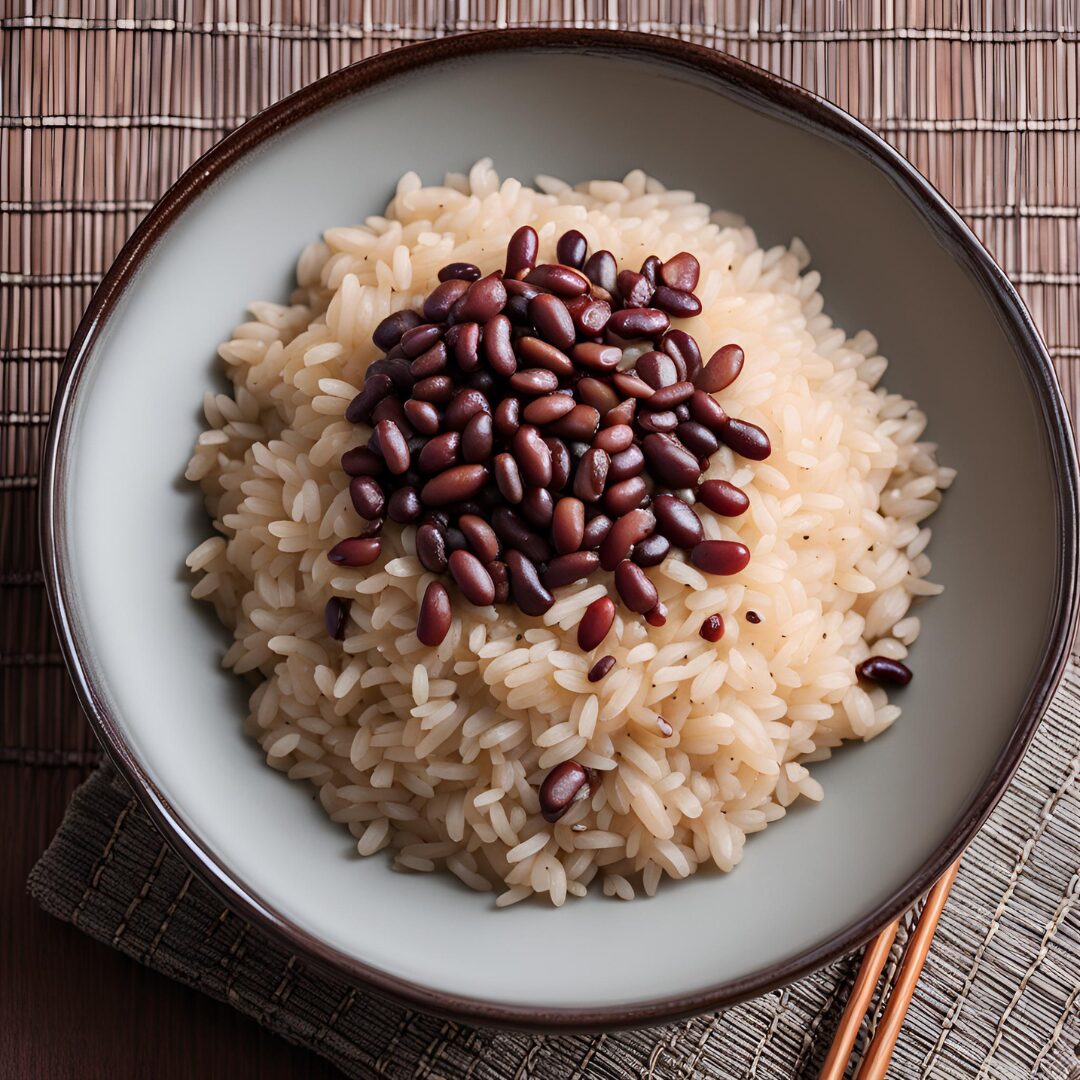
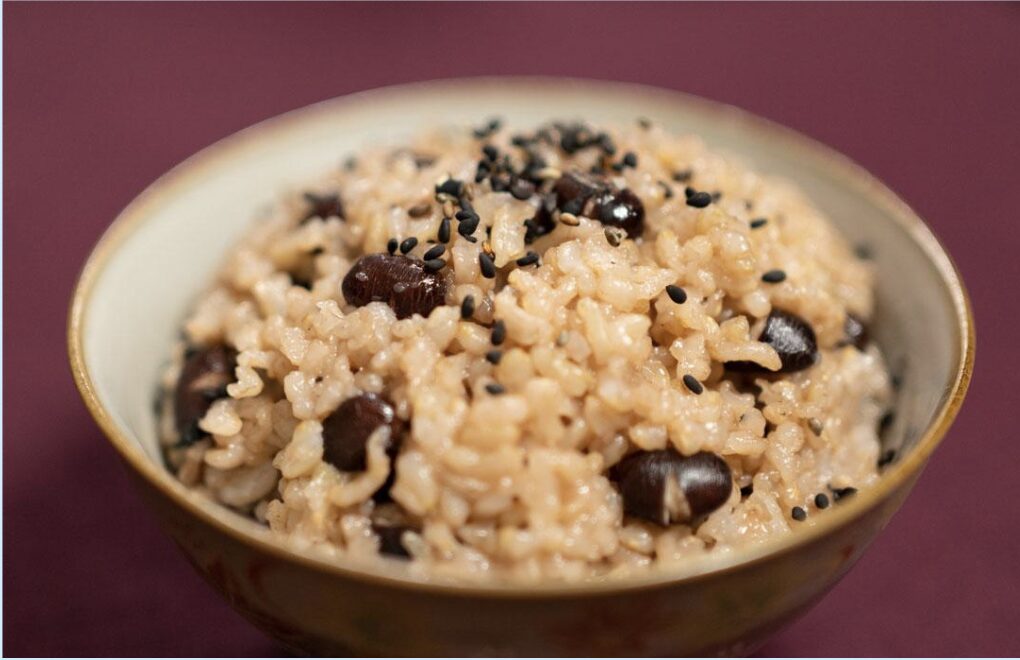
The visual below illustrates the deep reddish-brown color and hearty texture of finished genmai sekihan, Japan’s beloved celebratory rice dish with adzuki beans.
What Is the Cultural Significance of Sekihan?
Sekihan is a ceremonial dish in Japan, traditionally served during festive events. This dish holds deep cultural significance and is commonly prepared for important life milestones and celebrations. Sekihan appears at Japanese celebrations such as birthdays, weddings, and holidays like New Year’s and Girls’ Day, where it symbolizes good fortune and joy. The use of genmai in sekihan is a modern adaptation, reflecting today’s health-conscious trends while maintaining the dish’s cultural essence and ceremonial importance.
Ingredient Spotlight
The key ingredients in Genmai Sekihan each contribute distinct qualities to the final dish:
- Genmai (Brown Rice): Best for those seeking a more textured, nutty rice experience. Nuttier and chewier than white rice, it retains the bran and germ, offering a distinct flavor profile and different cooking properties compared to polished white rice.
- Adzuki Beans: Best for adding visual contrast and earthy sweetness. These small red beans are sweet and earthy, providing a beautiful color contrast and complementary flavor to the brown rice.
- Salt: Best for enhancing natural flavors. A pinch of salt is crucial to enhance the natural flavors of the rice and beans.
- Black Sesame Seeds (optional): Best for adding toasted nuttiness and visual appeal. Modern variations sometimes include black sesame seeds or chestnuts for added texture and flavor.
| Attribute | Genmai (Brown Rice) | White Rice |
|---|---|---|
| Texture | Chewier, more textured | Softer, more delicate |
| Flavor | Nuttier, earthy | Mild, neutral |
| Bran & Germ | Retained | Removed |
| Cooking Time | 45-60 minutes | 15-20 minutes |
| Shelf Stability | Shorter (natural oils in bran) | Longer |
| Traditional Sekihan | Modern adaptation | Traditional version |
Nutritional Profile
Genmai contains fiber, B vitamins, magnesium, and selenium in its outer layers and germ. Adzuki beans contribute plant-based protein and polyphenolic compounds. Together, they create a dish with diverse nutrient composition. The combination of whole grain rice with legumes creates a complete protein source, making this dish a substantial meal on its own.
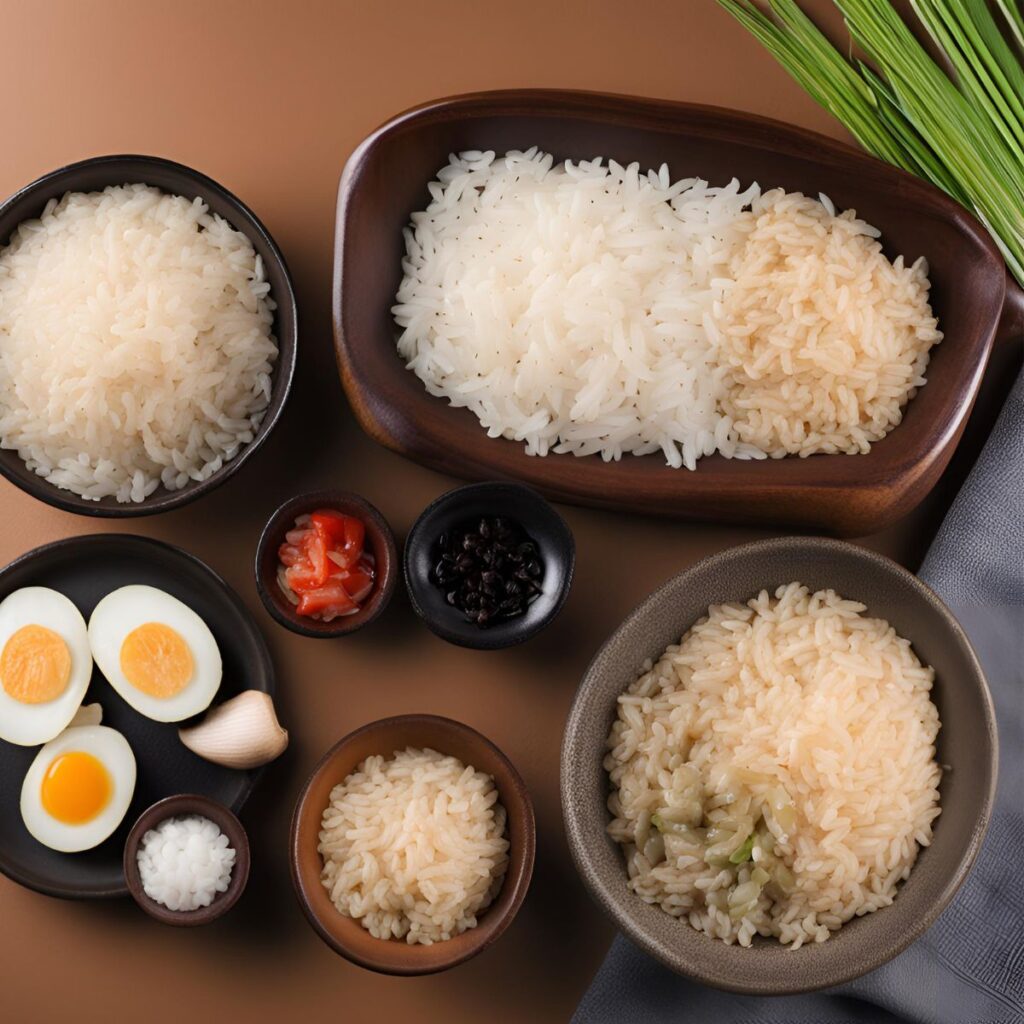
As shown in the following ingredient overview, genmai sekihan requires just three simple components: short-grain brown rice, dried adzuki beans, and salt.
How Do You Cook Genmai Sekihan?
- To avoid mushy beans in your rice, it’s important you check for doneness. I usually check around the 25-30 minute mark. Take a bean out and squeeze it, it should break apart easily without too much force. It’s going to continue cooking in the rice maker so it doesn’t need to be completely soft just after boiling.
- If you’re sensitive to the bitterness of azuki beans, 3 things you can do to minimize it are:
- Parboil the beans once and discard the liquid.
- Skim off the aku (white foam that floats on the surface while the beans are cooking)
- Add a little bit more salt, ¼ to ½ tsps worth, note that you might not want to put too much gomashio if you add additional salt.
- If you enjoy sekihan, it freezes well, so you can make extra for leftovers at a future date!
How Should You Serve Genmai Sekihan?
Serve Genmai Sekihan with goma shio (sesame salt) — best for adding toasted, nutty seasoning that complements the earthy brown rice. Alternatively, pair with umeboshi (pickled plum) — best for adding a traditional sour, salty element that aids digestion and balances richness. For a modern twist, pair it with a side of grilled salmon or a green salad.
Variations
Customize your Genmai Sekihan by:
- Mixing in mushrooms for an umami boost and deeper, savory flavor.
- Adding matcha powder for a unique flavor and color (best for special occasions seeking visual drama).
- Topping with furikake for extra seasoning and texture contrast.
Conclusion
Genmai Sekihan is a dish that bridges the past and present, offering a taste of tradition with a nod to modern food preferences. I invite you to try this recipe, share your experiences, and suggest any variations you love. Let’s celebrate life’s moments, big and small, with this wholesome dish.
Frequently Asked Questions
What exactly is Genmai Sekihan?
Genmai Sekihan is a Japanese celebratory rice dish made by cooking brown rice (genmai) with adzuki beans. It’s a modern adaptation of traditional sekihan, which uses white rice. The brown rice gives the dish a nuttier flavor and chewier texture while the adzuki beans provide sweetness and visual appeal with their deep red color.
Can I use white rice instead of brown rice in this recipe?
Yes, you can absolutely use white rice to make traditional sekihan. If you do, reduce the cooking time to 15-20 minutes instead of 45-60 minutes, and reduce the water amount to 1.5-1.75 cups. The texture will be softer and the flavor more delicate, but the dish remains authentic and delicious.
How should I prepare the adzuki beans?
Soak dried adzuki beans in water for at least 4 hours or overnight (optional but recommended). Then, bring them to a boil in fresh water and cook for 25-30 minutes until they’re tender but not mushy. Reserve the cooking liquid to add to your rice, as it contains flavor compounds. Drain the beans and add them to your rice maker along with the reserved liquid.
What is gomashio and where can I find it?
Gomashio is a traditional Japanese seasoning made from toasted sesame seeds and salt, typically in a 50:50 ratio (though this varies by recipe and preference). You can find it at Japanese markets, specialty grocery stores, or online Asian food retailers. Alternatively, you can make it at home by toasting sesame seeds and grinding them with salt using a mortar and pestle or food processor.
Can Genmai Sekihan be made in advance and stored?
Yes, Genmai Sekihan freezes exceptionally well. After cooking and cooling, portion it into freezer-safe containers and freeze for up to 3 months. To reheat, thaw in the refrigerator overnight or microwave directly from frozen, adding a splash of water to restore moisture. Store leftover cooked sekihan in an airtight container in the refrigerator for up to 4 days.
Genmai Sekihan Recipe
Celebrating Tradition with Brown Rice. Genmai Sekihan, or brown rice sekihan, is a dish that speaks to the heart of Japanese celebrations. Traditionally made with white rice and adzuki beans, this version uses genmai (brown rice) for a healthier twist.
- Cuisine: Japanese
Ingredients
Units
Scale
- 2 cups brown rice, short grain
- 1/4 –1/2 cup dried azuki beans
- 1/2 tsp salt
For serving:
Gomashio (50/50 blend of toasted crushed black sesame seeds and salt) — best for adding traditional toasted sesame flavor
Instructions
- First use a small pot filled with water and bring to a boil. Add the azuki beans and cook in boiling water for about 25-30 minutes.
- Meanwhile, rinse the brown rice and drain thoroughly, add to your rice maker along with salt.
- Once beans are done, strain and reserve the liquid.
- Next add all of the bean liquid to the rice maker and top off with additional water until at the 2 cup marker.
- Last add in the azuki beans and cook. Do not stir or the rice may not cook evenly.
- Once the rice is done cooking, gently fold so the beans are evenly mixed.
- Serve topped with some gomashio and enjoy!