Oita Prefecture Tea: Hojicha and Tamaryokucha from Kyushu’s Highlands
Why Oita Prefecture Tea Is Special
Oita Prefecture
What Is Oita’s Tea Heritage?
Oita Prefecture sits on the northeastern coast of Kyushu, Japan’s third-largest island and the historical cradle of Japanese
The prefecture is internationally recognized for its hot springs — Beppu and Yufuin draw millions of visitors annually — but its
This relative obscurity is precisely what makes Oita
How Does Volcanic Soil Shape Oita’s Terroir?
The single most important factor defining Oita’s
Mineral Content and Leaf Chemistry
Volcanic soils in Oita are rich in iron, manganese, zinc, and trace minerals that directly influence
The soil pH across Oita’s
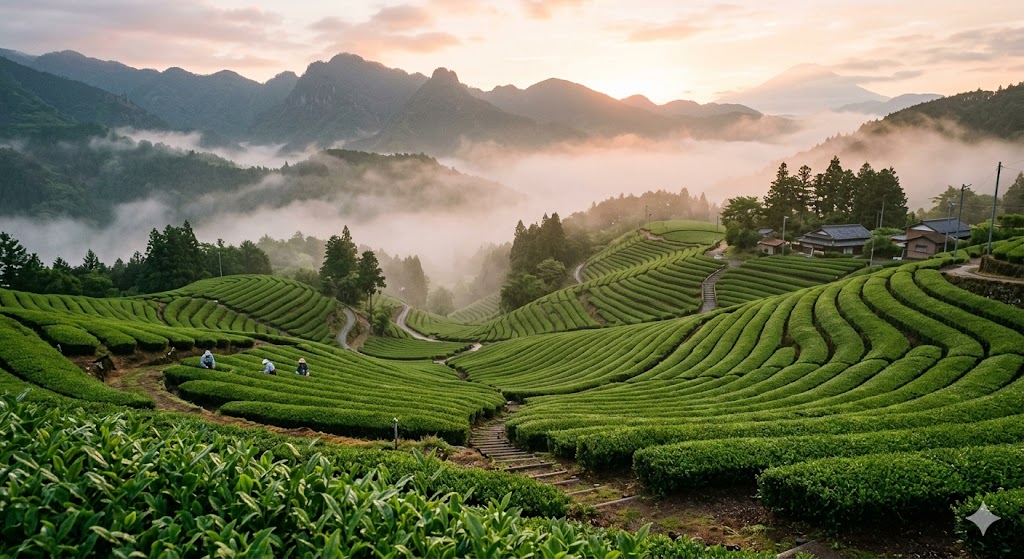
Elevation and Mountain Microclimate
Oita’s
- Diurnal temperature swings. Daytime temperatures in the growing season reach 25-30 degrees Celsius, while nights drop to 12-15 degrees Celsius. Cool mountain nights slow the plant’s respiration rate, preserving and accumulating L-theanine — the amino acid responsible for umami and the calm, focused feeling associated with Japanese
tea . Slower growth means more concentrated flavor compounds in each leaf. - Highland mist cover. Morning mists rolling off the Kuju mountain range function as natural shade, diffusing sunlight and reducing the conversion of L-theanine into catechins. This softens the bitter edge of the raw leaf and amplifies sweetness — an effect that carries through into the finished
tea , whether roasted into hojicha or curled into tamaryokucha.
The combination of volcanic mineral soil, significant elevation, and persistent mist cover creates a terroir profile that Japanese
What Grows in Oita?
Oita’s
Hojicha (Roasted Green Tea )
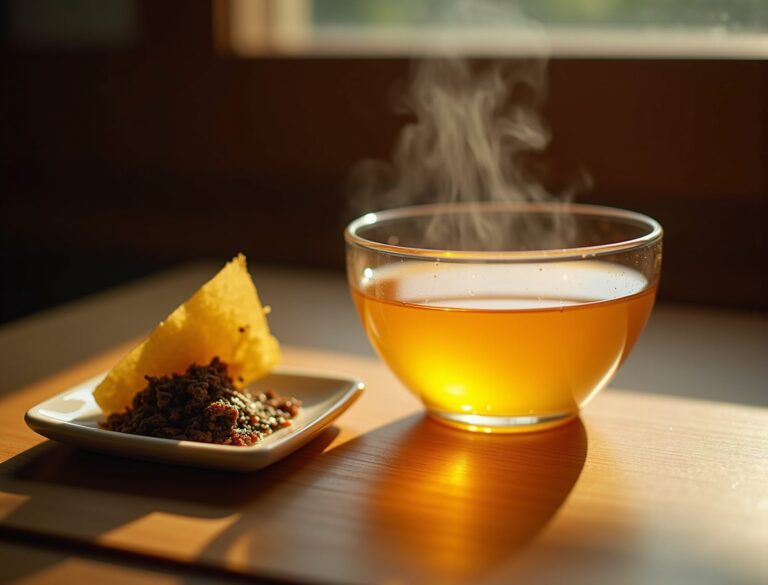
Oita hojicha is produced by roasting locally grown bancha or sencha leaves at temperatures between 180 and 200 degrees Celsius. The Maillard reaction during roasting — the same chemistry that browns bread crust and gives coffee its aroma — transforms grassy green
Most Oita hojicha is roasted in small ceramic-lined drum roasters rather than industrial belt roasters. This gives producers real-time control over temperature and timing, allowing them to fine-tune each batch’s roast curve based on the specific leaf material, moisture content, and desired flavor profile. The result sits between the bold, smoky char of Yame hojicha and the delicate lightness of Kyoto (Uji) hojicha — a medium roast with complexity.
Tamaryokucha (Curled Green Tea )
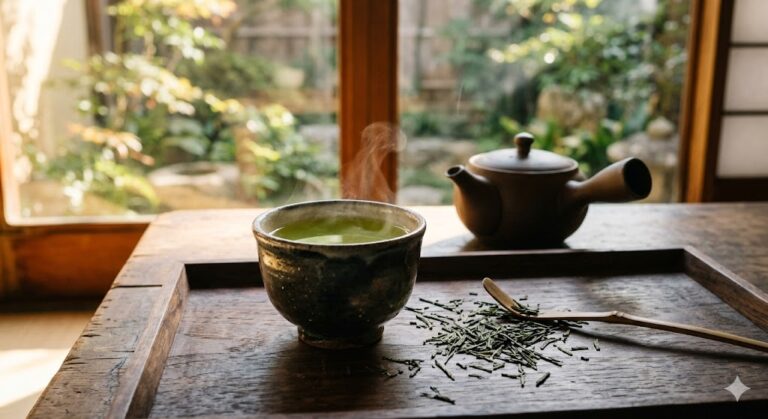
Tamaryokucha is one of Japan’s rarest
Oita’s volcanic soil gives its tamaryokucha a mineral backbone that pairs with the style’s naturally sweet, slightly fruity character. The combination is distinctive: a green
Other Oita Teas
Sencha is widely produced in Oita, not “extremely limited in production volume.” According to the sources, Kitsuki (Oita’s top
How Does Oita Tea Differ from Other Regions?
The clearest way to understand Oita
| Factor | Oita Prefecture | Shizuoka | Kagoshima | Yame (Fukuoka) |
|---|---|---|---|---|
| Soil type | Volcanic andosol (Aso-Kuju ash) | Varied (alluvial to volcanic) | Shirasu (volcanic pumice) | River basin alluvial |
| Elevation | 300-600m | 100-600m (varies by sub-region) | Mostly lowland | Valley basin, 200-400m |
| Production scale | Micro (family farms) | Largest in Japan (~40% national) | Second largest, highly mechanized | Small-medium, artisanal focus |
| Signature style | Small-batch hojicha, tamaryokucha | Fukamushi sencha, diverse styles | Tencha (matcha), early shincha | Gyokuro (GI-protected) |
| Flavor character | Mineral depth, caramel, rounded | Clean, balanced, region-dependent | Bold, pungent, mineral finish | Deep umami, thick mouthfeel |
The volcanic mineral signature is the through-line. Both Oita and Kagoshima grow
For hojicha specifically, Oita occupies a middle ground between the light, elegant roasts of Kyoto (Uji) and the heavy, smoky roasts of Yame. If you enjoy exploring how terroir shapes roasted
How Do You Brew Oita Teas?
Both of Oita’s signature teas are forgiving to brew, but dialing in the parameters brings out the terroir character that makes them worth seeking out.
Brewing Oita Hojicha
| Parameter | Recommended |
|---|---|
| Tea leaves | 5g (about 2 tablespoons) |
| Water volume | 200ml |
| Water temperature | 90-95 degrees Celsius (194-203 degrees Fahrenheit) |
| First steep | 30-45 seconds |
| Second steep | 15-20 seconds at 95 degrees Celsius |
| Third steep | 30-45 seconds at 95-100 degrees Celsius |
Hojicha uses hotter water than most Japanese green teas because the roasting process has already broken down the catechins that cause bitterness at high temperatures. Near-boiling water extracts more of the roast aroma and caramel sweetness. For a deeper look at how temperature affects Japanese
Brewing Oita Tamaryokucha
| Parameter | Recommended |
|---|---|
| Tea leaves | 4-5g (about 1 heaped teaspoon) |
| Water volume | 180ml |
| Water temperature | 70-80 degrees Celsius (158-176 degrees Fahrenheit) |
| First steep | 60-90 seconds |
| Second steep | 30-45 seconds at 80 degrees Celsius |
| Third steep | 45-60 seconds at 85 degrees Celsius |
Tamaryokucha needs cooler water than hojicha to preserve its delicate green character. The curled leaf shape means extraction happens more gradually than with needle-rolled sencha, so a slightly longer first steep brings out the full mineral-sweet profile without tipping into bitterness. Expect the first steep to deliver the most body and sweetness, with subsequent steeps becoming lighter and more floral.
Where Can You Buy Oita Tea ?
Oita Prefecture teas are difficult to find through conventional retail channels because production volumes are small and most output historically stayed within the prefecture. We source directly from small-batch Oita producers to bring these teas to a wider audience.
Browse our full Oita Prefecture Teas collection, which currently includes:
- Oita Hojicha — Roasted green
tea from Oita’s volcanic highlands. Medium roast with caramel sweetness, mineral undertone, and very low caffeine. An excellent all-day drinkingtea and a distinctive alternative to mass-produced hojicha. - Organic Tamaryokucha — Japan’s rarest green
tea style, curled into comma-shaped leaves. Sweet, slightly fruity, with the mineral backbone of Oita’s volcanic terroir. A rewardingtea for experienced drinkers looking beyond standard sencha.
Frequently Asked Questions
Is Oita Prefecture known for tea production?
Oita Prefecture is not one of Japan’s major
What does Oita tea taste like?
The flavor depends on the
Why is Oita tea more expensive than regular Japanese tea ?
Oita
How much caffeine is in Oita hojicha?
Oita hojicha contains roughly 7 to 15 milligrams of caffeine per 200ml cup, making it one of the lowest-caffeine Japanese teas available. The high-temperature roasting process volatilizes a significant portion of the caffeine present in the raw leaf. For comparison, sencha typically contains 30 to 50 milligrams per cup, and gyokuro can reach 120 to 170 milligrams. Most people find hojicha mild enough to drink in the evening without affecting sleep.
Can I cold brew Oita teas?
Both Oita hojicha and tamaryokucha cold brew well. For hojicha, use 8 to 10 grams per 500ml of cold water and steep in the refrigerator for 4 to 6 hours — the result is a golden-amber iced