Japanese Tea and Food Pairing: A Complete Guide to What Goes With What
Japanese Tea and Food Pairing: A Complete Guide to What Goes With What
In Japan,
The underlying logic is similar to wine pairing but operates differently. Where wine pairing often focuses on matching weight (light wine with light food, full-bodied wine with heavy food), Japanese
- Astringent teas (sencha) cut through fat and reset the palate after rich foods
- Roasted teas (hojicha) complement savory, smoky, and umami-forward dishes without competing
- Delicate shade-grown teas (gyokuro, kabusecha) pair best with subtle, refined foods — not bold or spicy dishes
- Genmaicha’s nutty-rice character works particularly well with Japanese rice dishes and light seafood
- Cold
tea pairings follow slightly different rules — colder temperatures reduce astringency and pair differently
The Principles of Japanese Tea Pairing
Three main principles guide Japanese
Palate cleansing: This is the primary function of green
Flavor contrast: Good pairing often involves contrasting flavors that make each component taste more like itself. The slight bitterness of green
Flavor harmony: Alternatively, pairing can work by finding common notes. Genmaicha’s toasty rice character harmonizes with rice-based Japanese dishes. Gyokuro’s umami depth reinforces the umami in fresh seafood without overwhelming it.
Sencha: The Versatile All-Purpose Pairing Tea
Standard sencha’s combination of fresh green flavor, moderate astringency, and palate-cleansing catechins makes it the most versatile Japanese
Best with:
- Sushi and sashimi: The classic pairing. Sencha’s astringency cuts through raw fish fat and its green freshness contrasts with the oceanic richness
- Tempura: The light, crispy coating of tempura benefits from sencha’s ability to cut through frying oil residue
- Yakitori and grilled meats: Sencha provides refreshing contrast to the caramelized, savory char of grilled chicken
- Onigiri: Simple rice balls are an ideal partner for sencha — the
tea ‘s flavor is strong enough to register but not so assertive it overwhelms - Light salads and dressed vegetables
Less ideal with: Very spicy dishes (the astringency combined with capsaicin heat can become uncomfortable), strongly flavored fermented foods (competing strong flavors), and delicate French or Italian cuisine where the
Gyokuro and Kabusecha: Pairing with Delicacy
Gyokuro’s intense umami and extreme delicacy demand partners that do not overpower it. This is the
Best with:
- Wagashi (Japanese confections): The classic formal pairing. The sweet, bean-based confections balance the intensity of
tea served in ceremony. Matcha paired with wagashi is the heart of chado (the Way ofTea ) - Light raw tofu (yudofu): The mild, delicate flavor of fresh tofu lets gyokuro’s complexity show
- High-quality sashimi: Premium white fish sashimi — hirame (flounder), tai (sea bream) — harmonizes with gyokuro’s umami without competing
- Mild chawanmushi (steamed egg custard)
- Light rice preparations without heavy seasoning
Avoid with: Strong-flavored or heavily seasoned dishes, anything spicy, fermented foods with pungent character, fried foods. Gyokuro is too delicate to hold its own against assertive flavors.
Kabusecha follows similar pairing principles as gyokuro but is slightly more robust — it can handle moderately flavored dishes that would overwhelm gyokuro.
Hojicha: The Roasted Food Partner
Hojicha’s roasted caramel and smoky notes make it a natural companion for foods with similar flavor profiles. Its lower catechin content (from the roasting process) means less astringency, making it gentler on the palate than sencha.
Best with:
- Yakimono (grilled dishes): The roasted-on-roasted combination is natural — hojicha with grilled fish, yakitori, or teriyaki chicken creates harmonic echo of caramel-roasted flavors
- Rice-based dishes: Hojicha pairs naturally with plain rice, ochazuke (rice with
tea poured over), and mixed rice dishes - Miso-based dishes: The earthiness of miso and the roasted earthiness of hojicha work well together
- Wagashi with a roasted flavor (e.g., kinako/roasted soybean wagashi)
- Chocolate desserts: Hojicha’s caramel notes harmonize beautifully with milk and white chocolate
- Light pastries and baked goods
Good afternoon
Genmaicha: The Everyday Food Companion
Genmaicha (green
Best with:
- Ochazuke: The original pairing — pouring genmaicha over rice with various toppings (pickles, salmon, seaweed) is a classic quick Japanese meal
- Japanese breakfast: Miso soup, rice, pickles, and grilled fish or egg are all natural genmaicha companions
- Bento box lunches
- Simple noodle dishes: Cold soba, udon in clear broth
- Light Japanese snacks: Rice crackers (senbei), mild savory snacks
The accessible character of genmaicha also makes it work surprisingly well with non-Japanese foods: a cup alongside toast and mild cheese, or with a simple vegetable soup.
Bancha: The Everday Meal Tea
Bancha is mild, low in caffeine, and very widely consumed in Japan as a daily meal accompaniment. Its gentle flavor means it rarely clashes with anything.
Best with: Essentially any everyday Japanese meal. Bancha is the default restaurant and household
Tea and Western Food: Expanding the Framework
The principles that govern Japanese
The sencha-plus-fatty-food palate-cleansing function works with Western fatty dishes too — a high-quality sencha with butter-rich French food or creamy pasta is genuinely refreshing and interesting.
Hojicha with chocolate is not a traditional Japanese pairing but works beautifully — the caramel notes in hojicha and milk chocolate’s sweetness create a very pleasant combination that international
Gyokuro with aged soft cheese (brie, camembert) is unconventional but interesting — the umami in both creates an amplifying effect that some find remarkable.
Frequently Asked Questions
What tea do Japanese restaurants typically serve?
Most traditional Japanese restaurants serve mugicha (roasted barley
Can I drink Japanese tea with dessert?
Absolutely. Hojicha with chocolate, caramel, or pastry desserts is an excellent combination. Sencha with fruit-forward desserts works well. Gyokuro with traditional Japanese wagashi is the most elevated dessert pairing in Japanese
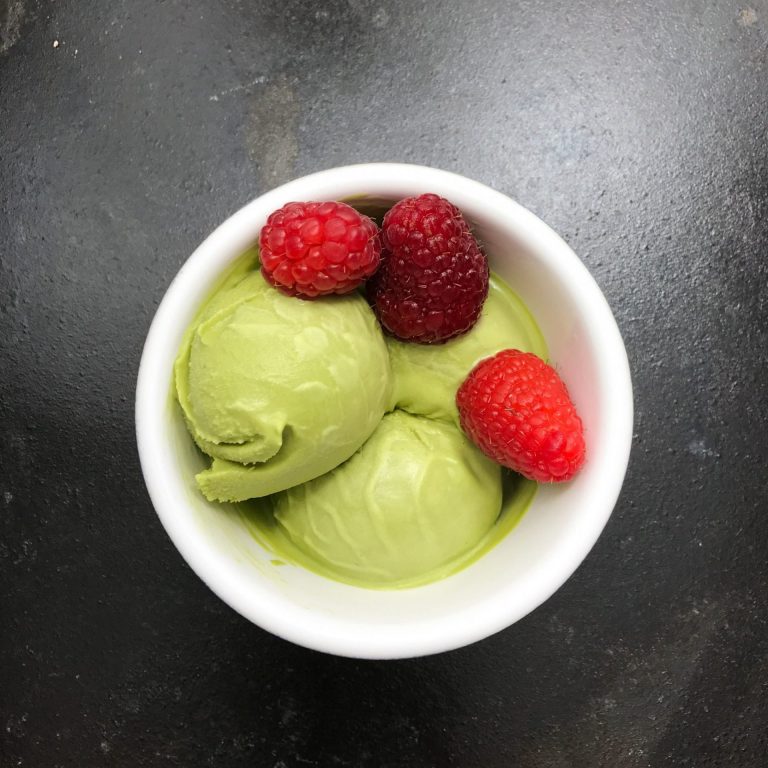
What tea goes with matcha desserts?
Counterintuitively, matcha desserts pair well with a different type of
Is there a Japanese tea that pairs well with spicy food?
Bancha and genmaicha are the most suitable Japanese teas for spicy food because their lower catechin content means less interaction with capsaicin compounds (which can make sencha feel harsh when combined with heat). Cold genmaicha or cold barley
For exceptional pairing experiences, source quality