Shincha: Japan’s First Flush Tea and Why It’s Worth the Wait
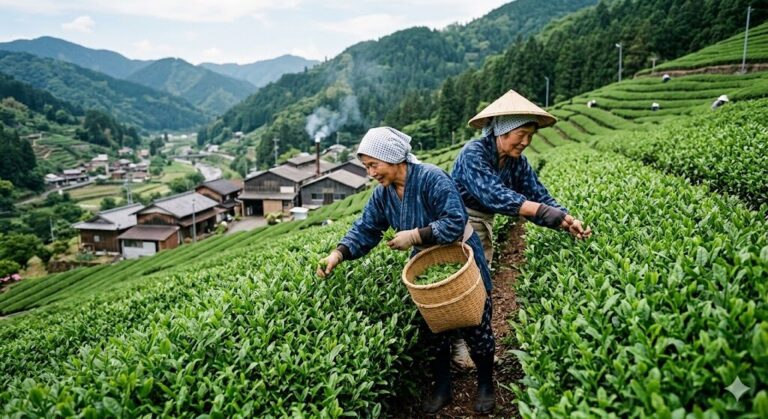
There’s a particular feeling I get every April when the first shincha arrives from farms I’ve been buying from for years. It’s not quite excitement and not quite anticipation — it’s something more like relief. The
Shincha is the closest thing Japanese
What Is Shincha?
Shincha (新茶) literally means “new
This first flush (ichibancha) is the product of an entire year’s accumulated nutrients stored in the roots and stems of the
Why Shincha Is Different from Regular Sencha
Shincha is technically a harvest descriptor meaning “new
Flavor Profile
Shincha is distinctly sweeter and fresher than subsequent harvests. The high L-theanine content gives it a pronounced natural sweetness and umami. The grassy freshness is at its most vibrant — there’s a quality to first-flush green
Lower Bitterness
Catechin development increases as the season progresses. Shincha, harvested at the earliest tender growth, has relatively lower catechin levels balanced against higher amino acids. The result is naturally sweeter and less astringent than the same farm’s second or third flush.
Aroma
The aroma of freshly produced shincha is something experienced
Regional Shincha Releases
- Kagoshima (Kyushu): First release, typically late March to mid-April. Miyazaki (Kyushu): mid-April to early May
- Shizuoka: Late April to early May
- Uji, Kyoto: Late April
- Cooler mountain regions: Late May to early June
Serious shincha enthusiasts follow these regional releases the way wine drinkers follow vintage calendars.
How to Buy Shincha
Quality shincha from good farms sells out within weeks of release. Look for: clear harvest date within the current spring, specific farm or region of origin, proper sealed packaging, and retailers who source directly from Japanese farms.
Our Japanese green tea selection includes harvest date information so you know exactly what you’re getting.
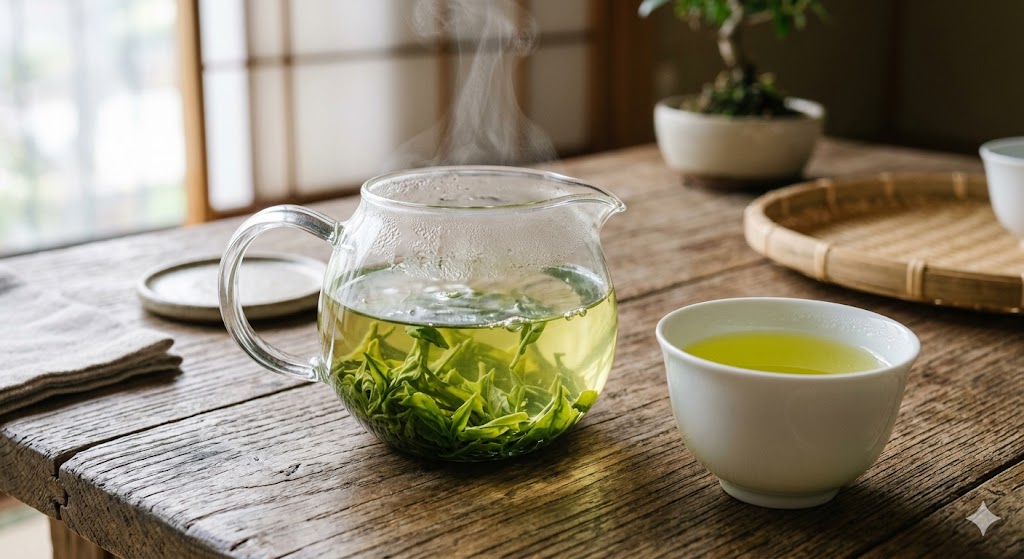
How to Brew Shincha
- Water temperature: 65–75°C
- Leaf amount: 5g per 150ml
- Steep time: 35–45 seconds
- Re-steeps: 2–3 times
Lower temperature honors shincha’s natural sweetness and avoids extracting bitterness. Don’t brew it the same way you’d brew a robust everyday sencha.
Storing Shincha
Shincha degrades faster than many other teas due to its high moisture and nutrient content. Store sealed in an airtight container in the freezer if not using immediately. Once opened, use within 2–4 weeks for best flavor. Freezer storage for unopened bags preserves the fresh character for months.
Frequently Asked Questions
Is shincha available year-round?
No — genuine shincha is available only during the spring harvest window, typically April through June. What remains after this period is simply sencha from the first flush rather than “fresh new
Is shincha the same as ichibancha?
Ichibancha (first
Is shincha healthier than regular green tea ?
The nutritional profile is different — higher L-theanine, certain vitamins, and specific flavor compounds are elevated in first-flush teas. The amino acid richness is a distinguishing characteristic compared to later harvests.
Why is shincha more expensive than regular sencha?
The first harvest is the most carefully handled. The leaves are smaller and more tender, requiring more material to produce the same weight of finished
How do I know if shincha has gone stale?
Fresh shincha smells intensely green and vibrant. Stale shincha loses that vivid freshness and smells more like regular dried green