Kukicha (Twig Tea): Japan’s Calcium-Rich Tea Explained
Kukicha gets overlooked. It sits in the shadow of sencha, gyokuro, and matcha in most Japanese
What Is Kukicha?
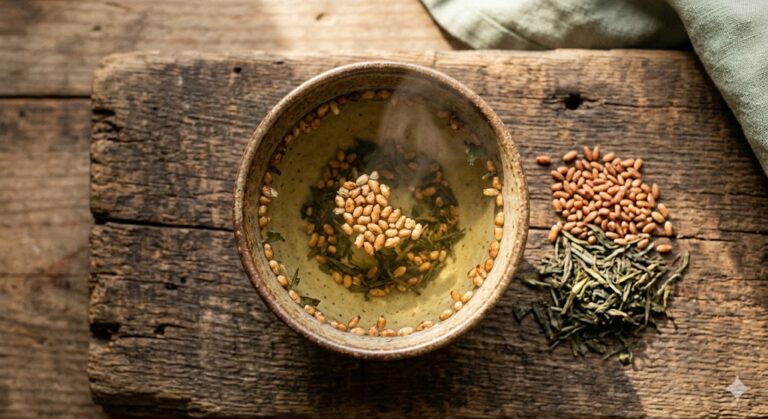
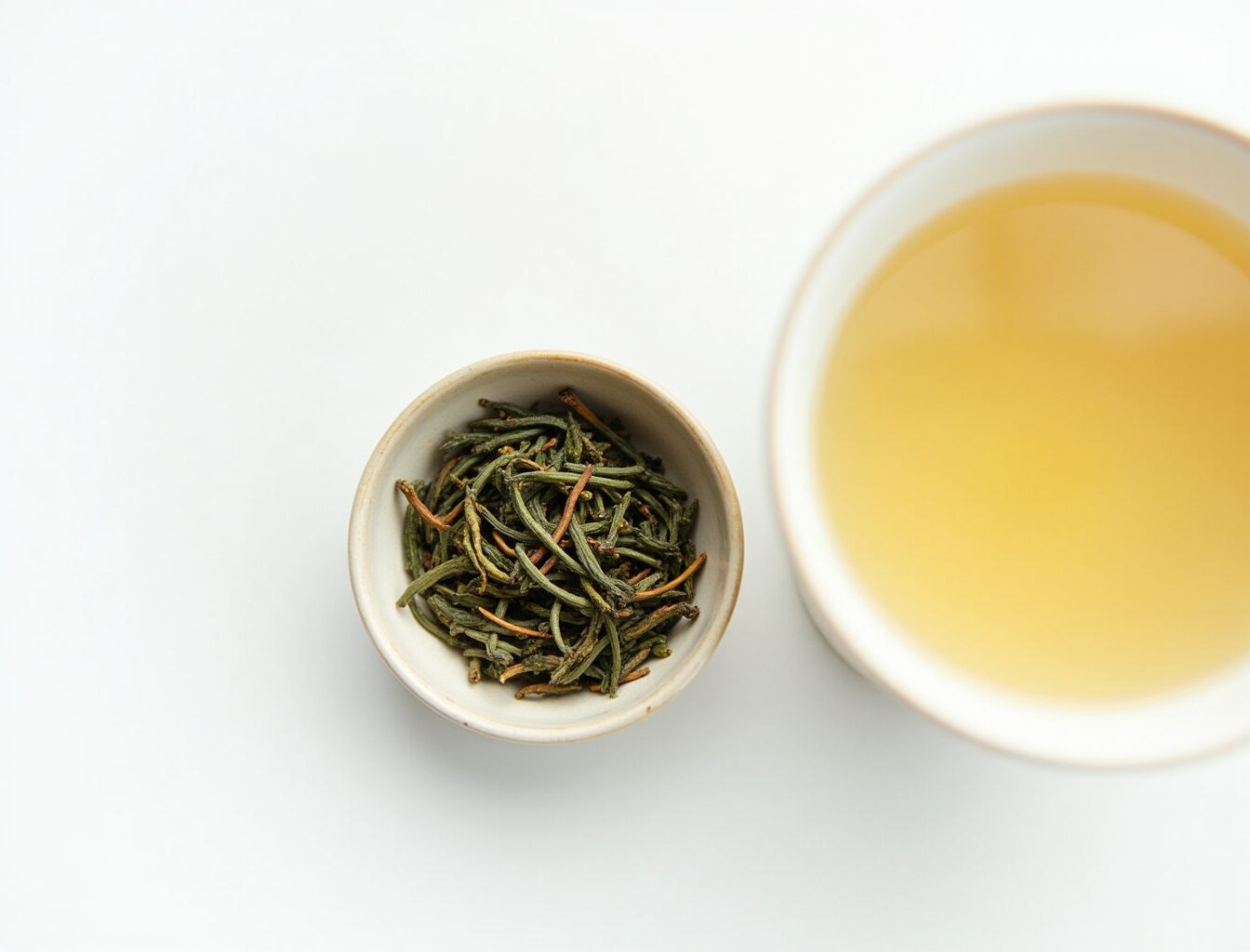
Kukicha (茎茶) is made from the stems, stalks, and twigs of the
The word kuki (茎) means “stem” or “stalk” in Japanese. Cha (茶) means
Because it comes from the same plant as other Japanese green teas, kukicha is technically a green
Why Stems and Twigs Taste Different from Leaves
The chemical composition of
Lower catechin content: Most of the catechins in the
Lower caffeine: Caffeine also accumulates primarily in the leaves, particularly in young bud leaves. The older stem material has substantially less caffeine than any leaf
Higher mineral content: The stems and woody parts of the plant accumulate different minerals than leaves do. Kukicha is notably high in calcium (much more so than leaf teas), as well as potassium, iron, and fluoride. This is the origin of its reputation as a calcium-rich
Different amino acid profile: The stem material has a different ratio of amino acids than leaves, contributing to kukicha’s characteristic mild nuttiness and slight creaminess.
What Kukicha Tastes Like
Flavor description for kukicha is consistently challenging for first-timers because it does not taste like what most people expect from “green
The flavor profile: mild, slightly sweet, with a distinctive nutty quality. Some describe a faint creaminess or milkiness. There is very little of the grassiness or vegetal sharpness associated with sencha. No astringency when properly brewed. The finish is clean and pleasant.
In Japanese
The aroma when brewing is gentle and woody — steam rising from a cup of kukicha smells like clean wood and mild green
The Different Grades of Kukicha
Like all Japanese teas, kukicha quality varies significantly:
Kukicha from tencha (matcha stems): The highest quality. The stems from shade-grown plants used for matcha production have more L-theanine and a subtler, more refined flavor with trace umami notes. This is sometimes called “karigane” (雁ヶ音) and commands a premium price. Karigane from Uji made from gyokuro or tencha stems is considered the finest expression of this
Kukicha from sencha: The most widely available version. Good quality, approachable flavor, excellent value for everyday drinking. The nutty, mild character is at its most pronounced here.
Bancha-level stem
How to Brew Kukicha
Kukicha is one of the most forgiving Japanese teas to brew — wide temperature tolerance, hard to over-extract into bitterness.
Basic method:
- Water temperature: 70 to 90°C (wider range than most Japanese greens)
- Leaf ratio: 5 to 7g per 200ml
- Steeping time: 60 to 90 seconds first infusion
- Multiple infusions: 3 to 4 infusions are common and rewarding
The stems take slightly longer than leaf
Kukicha is also excellent cold-brewed. The mild, sweet character becomes even more pronounced in cold extraction. Use 10g per liter, refrigerate 6 to 8 hours. The result is a refreshing, low-caffeine drink with a distinctive mild sweetness.
Kukicha in Japanese Culture
In Japan, kukicha has traditionally been associated with health and gentleness rather than ceremony or premium
The macrobiotic movement in the West popularized kukicha starting in the 1970s as a health-focused, caffeine-light alternative to coffee and standard
Where to Find Good Kukicha
Japanese grocery stores carry kukicha, often in larger bags since it is an everyday drinking
We carry select kukicha in our shop — specifically chosen for the mild sweetness and approachable character that makes it an excellent everyday
Frequently Asked Questions
How much caffeine is in kukicha?
Kukicha typically contains 20 to 40mg of caffeine per serving. While this is lower than the 50 to 70mg typically found in regular green
Is kukicha the same as hojicha?
No. Hojicha is roasted
Does kukicha have significant calcium?
It is higher in calcium than leaf teas, but a cup of kukicha provides only a modest amount of calcium compared to dairy sources. The calcium claim in kukicha marketing can be overstated. It is a real nutritional point but should not be treated as a primary calcium source. The
What is the difference between kukicha and karigane?
Karigane is a specific type of kukicha made from the stems and stalks of gyokuro or tencha (shade-grown
Can I use kukicha stems to make dashi or flavor stocks?
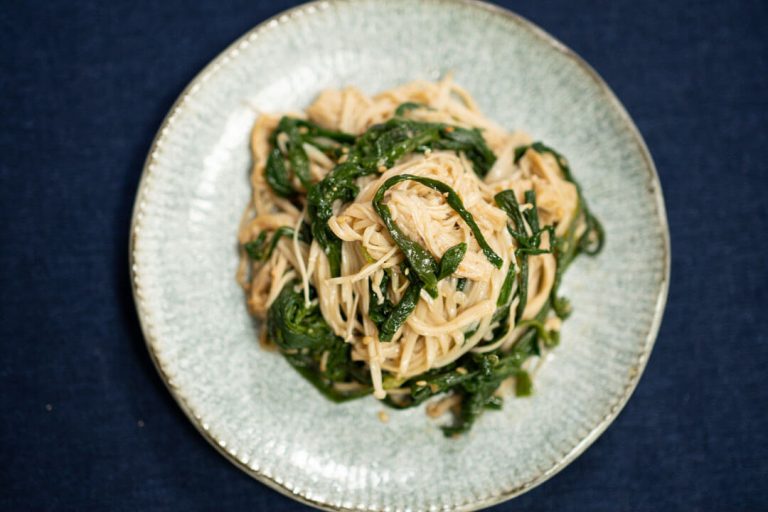
Not in the traditional dashi sense, but kukicha can be used as a subtle flavoring liquid. Brewing a very strong kukicha and using it as cooking water for rice or soba adds background flavor. It is also used occasionally as a base for