How to Make Onigiri: Shapes, Fillings, and Seasoning Guide
Onigiri is one of those foods that sounds simple — rice balls — until you try to make them and realize there’s a lot of texture, flavor, and technique packed into what looks like a modest snack. I’ve eaten them from convenience stores, from high-end rice specialists in Tokyo, and from school lunchboxes, and the range of quality and craft within this simple format is remarkable.
Here’s how to make genuinely good onigiri at home.
The Rice Is Everything
Onigiri requires Japanese short-grain rice, period. Medium-grain or long-grain rice won’t hold together properly — the starch composition is wrong. Freshly cooked rice that is still warm (but not piping hot — let it rest 10 minutes after cooking) is essential. Cold rice compresses into a dense, unpleasant mass; hot rice doesn’t hold shape.
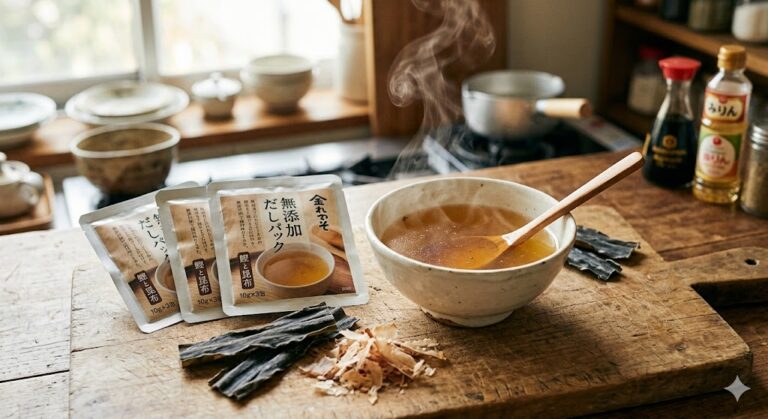
Season the rice lightly if serving the onigiri without strong fillings: a small amount of salt rubbed into the rice is traditional and makes a meaningful difference in flavor. Plain white rice makes bland onigiri. For more elaborate versions, cooking rice with dashi or mixing in sesame seeds, furikake, or shiso (perilla) before shaping adds background complexity.
The Classic Shaping Technique
Traditional onigiri shaping uses wet, lightly salted hands. The salt serves two purposes: it prevents rice from sticking to your hands, and it seasons the outside of the rice ball as you shape it.
Step 1: Wet your hands with cold water. Sprinkle a generous pinch of fine salt across your palms and rub together.
Step 2: Scoop about 80–100g of warm rice into one hand. Make a well in the center with your thumb and add your filling (about 1–2 teaspoons). Fold the edges of the rice over the filling to enclose it completely.
Step 3: For the classic triangle (omusubi) shape: position the rice ball in your left hand (or non-dominant), forming a “C” curve. Cup your right hand over the top to form the point of the triangle. Rotate 90° and press again. Continue rotating and pressing 3–4 times until a firm, evenly shaped triangle forms with three clean faces. Press firmly but not harshly — you want density but not crushed rice grains.
Step 4: Adjust the shape and ensure the filling is centered. The outside surface should be smooth and slightly compacted.
Classic Fillings
Umeboshi (Pickled Plum)
The most traditional filling. Salt-pickled plum has natural preservative properties that make umeboshi onigiri one of the most long-lasting varieties. The sour, salty, intensely flavored plum contrasts beautifully with plain white rice. Use a whole small umeboshi or half a large one, pit removed.
Tuna Mayo
Japan’s most popular onigiri filling according to most convenience store surveys. Combine canned tuna (drained well) with Japanese mayonnaise (Kewpie brand is standard) and a small amount of soy sauce. The ratio is personal — some people want it very creamy, others prefer a drier, more seasoned mix.
Salmon (Sake)
Broiled, flaked salmon seasoned with salt. Either grill fresh salmon with salt and flake it, or use salt-cured salmon. Remove any bones carefully. The flavor is rich and satisfying.
Mentaiko (Spicy Cod Roe)
Mentaiko is salt-cured and chili-seasoned cod roe, found in the refrigerator section of Japanese grocery stores. It has an intensely savory, spicy character that makes for a bold onigiri. A small amount goes a long way.
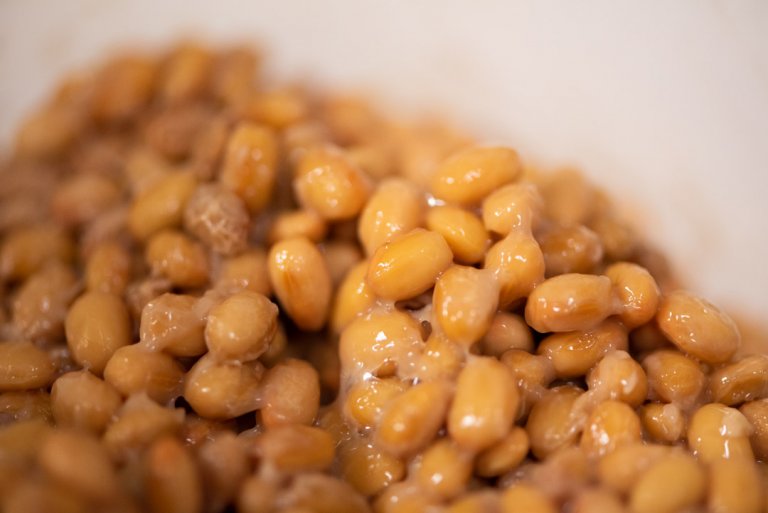
Natto
For natto enthusiasts. Mix natto with its included sauce and a small amount of chopped green onion. The sticky strands make this a challenging shape to work with, but the flavor is deeply satisfying for natto lovers.
The Nori Question
Nori wrapping has two camps: wrapped immediately (the nori softens and melds with the rice) or wrapped just before eating (the nori stays crisp). Convenience store onigiri pioneered the separate-nori packaging that keeps nori crisp until the moment you eat it — which is why they have that distinctive plastic wrapper.
For home use: wrap immediately if you prefer the softer, integrated texture. Wrap just before eating if you prefer the contrast of crisp nori against warm rice. Both are correct — it’s a preference, not a technique question.
Use full-size nori sheets cut to size, or pre-cut nori strips. Our Japanese nori has the right texture for onigiri — not too thick, good color and aroma.
Onigiri Variations Worth Trying
Yaki Onigiri (Grilled Rice Ball)
Shape the onigiri, then grill or pan-fry on each face over medium heat until a golden crust forms. Brush with soy sauce and grill another 30 seconds. The combination of crispy exterior and steamed interior with caramelized soy is extraordinary.
Ochazuke Onigiri
Make onigiri with simple salt seasoning and umeboshi, then break it apart into a bowl and pour hot hojicha or sencha over it. Add nori, sesame seeds, and arare rice crackers. This is the comfort food version of both onigiri and ochazuke simultaneously.
Storage and Packing
Onigiri keeps at room temperature for 4–6 hours when freshly made. For bento boxes, pack while still slightly warm, wrapped in nori or plastic wrap. Refrigerated onigiri gets hard and loses its appealing texture. If you must refrigerate, warm briefly in a microwave or steam for 1–2 minutes before eating.
Frequently Asked Questions
Can I use sushi rice for onigiri?
Sushi rice (seasoned with vinegar, sugar, and salt) produces a different onigiri — more tangy and complex. Some specialty onigiri shops use lightly seasoned rice intentionally. Plain Japanese short-grain rice is standard, but sushi rice works and produces interesting results.
Why does my onigiri fall apart?
Three common causes: rice too dry (leftover or improperly stored), not enough pressure when shaping, or wrong rice type. Japanese short-grain rice has the right starch profile; other varieties won’t hold together consistently.
How do I keep onigiri fresh longer?
The salt on your hands seasons and slightly preserves the exterior. Traditional umeboshi filling also acts as a preservative. For longer storage, the fastest approach is wrapping tightly in plastic wrap to prevent drying.
Can I make onigiri without a filling?
Yes — plain salted rice onigiri (shio musubi) is a classic. Season the rice more generously than you would with a filling, and the rice itself should be of good quality since there’s nothing else to rely on for flavor.