Hojicha for Cooking: Recipes and Applications Guide
Hojicha has crossed from the teacup into the kitchen in a serious way. Japanese pastry chefs have used hojicha in confectionery for decades, and the trend has expanded into savory applications, cocktail mixology, and home cooking internationally. The roasted caramel notes and very low bitterness make hojicha one of the most versatile
Loose Leaf vs Hojicha Powder for Cooking
Both forms have their place in the kitchen. The choice depends on the application:
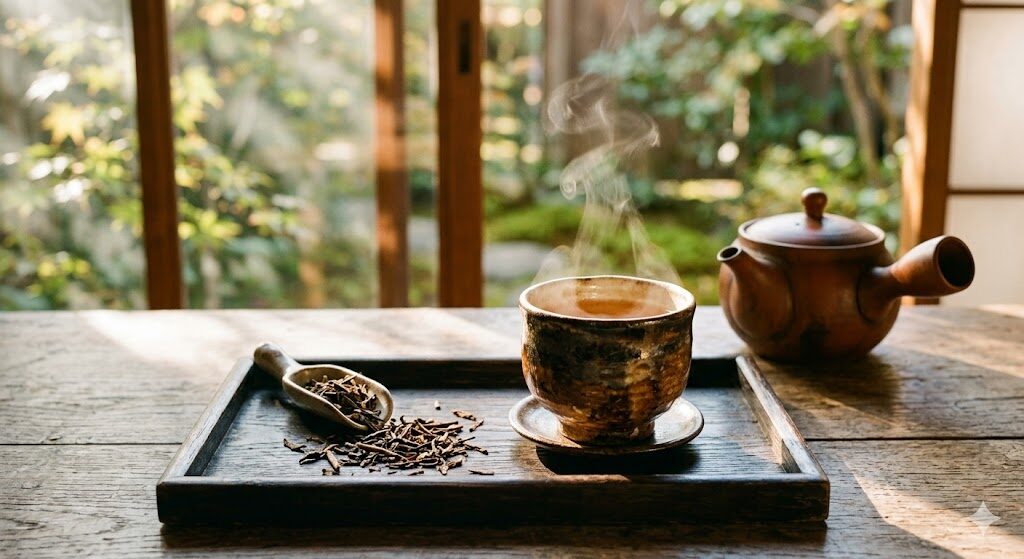
Loose leaf hojicha: Steep in liquid (cream, milk, water, broth) to create a hojicha-infused liquid. This technique is called “infusion” and works for any preparation that starts with a liquid base. The advantage: the flavor extraction can be calibrated (stronger or lighter) and the leaf is removed before the preparation continues.
Hojicha powder: Mix directly into dry or wet preparations without steeping. Necessary for applications where liquid infusion isn’t possible (dry rubs, batter, cookie dough, caramel at the sugar stage). Produces more consistent flavor per gram than infused leaf. Our hojicha powder here is specifically milled for culinary applications.
Sweet Applications
Hojicha Panna Cotta:
- Steep 3 tablespoons loose leaf hojicha in 400ml hot cream for 5 minutes
- Strain, dissolve gelatin (1.5 tsp gelatin per 400ml), add honey to taste
- Pour into molds, refrigerate until set (4+ hours)
- Serve with a drizzle of honey or fresh fruit
Hojicha Shortbread:
- Add 2 teaspoons finely ground hojicha per 100g butter in your standard shortbread recipe
- The roasted note complements butter beautifully without overwhelming
- Excellent dipped in dark chocolate after baking
Hojicha Ice Cream:
- Use the same infusion technique as panna cotta but with your ice cream base
- Steep strongly (4 tablespoons per 400ml cream, 8 minutes)
- The ice cold temperature of the finished product mutes flavor, so steep more assertively than for drinking
Hojicha Caramel Sauce:
- Add 1 teaspoon hojicha powder at the end of caramel preparation (after butter and cream are incorporated)
- The roasted
tea amplifies the caramel’s own roasted character - Excellent over ice cream, in lattes, or as a dessert sauce
Savory Applications
Hojicha Dry Rub for Meat:
Combine 1 teaspoon hojicha powder, 1 teaspoon smoked salt, 0.5 teaspoon black pepper, 0.5 teaspoon brown sugar. Apply to chicken thighs or pork shoulder before roasting. The roasted
Hojicha Dashi:
Cold-steep 2 tablespoons hojicha in 600ml cold water for 4 hours. Use this mild hojicha broth as the base for delicate Japanese soups where you want roasted
Hojicha Glazed Salmon:
Combine 2 tablespoons hojicha-steeped soy sauce (steep hojicha in soy sauce for 30 minutes, strain), 1 tablespoon mirin, 1 tablespoon honey. Use as a glaze for salmon fillets during the last 2-3 minutes of cooking. The umami of soy plus the roasted
Beverages Beyond Standard Tea
Hojicha Cocktails:
Cold brew hojicha concentrate (double-strength, overnight) serves as an excellent base for cocktails. Combines well with bourbon (roasted notes resonate), gin (botanical complexity creates interesting contrast), and sparkling water for a sophisticated non-alcoholic option.
Hojicha Simple Syrup:
Steep 3 tablespoons hojicha in 200ml hot water for 3 minutes, strain, dissolve 200g sugar in the hot
Storage and Quantity Guidelines
For cooking use:
- Store hojicha powder in an airtight container away from heat (the cooking environment accelerates oxidation)
- Use within 3 months of opening for powder applications where aroma matters
- Loose leaf for infusion: buy in quantities you’ll use within 4-6 months
- Start with smaller quantities than you think you need — hojicha flavor intensifies in cooked preparations
Frequently Asked Questions
Can I substitute hojicha powder for matcha in recipes?
In terms of process, yes — hojicha powder functions similarly to matcha in cooking applications (mix directly into preparations). In terms of flavor, the result is very different. Matcha is vegetal, bright green, and more bitter. Hojicha is roasted, caramel-forward, and naturally sweet. Some recipes designed for matcha work better with hojicha for people who find matcha too assertive.
What is the correct infusion ratio for hojicha in cream?
For dessert applications: 2-3 tablespoons loose leaf per 400ml cream, steeped 5-8 minutes at 90C. This produces a noticeable but not overwhelming hojicha character. For applications where hojicha should be prominent (hojicha ice cream, hojicha mousse), use 4 tablespoons per 400ml. The flavor softens significantly when cold, so err toward stronger infusion than you might expect.
Does hojicha change color during cooking?
Hojicha is brown (from roasting), not green. In cream or pale preparations, it creates amber to light brown coloring rather than the vivid green of matcha. In baked goods, the brown color blends with the baked color of the pastry. For applications where visual color is important, hojicha’s brown-amber palette must be incorporated into the design intention.
Can I use cheap hojicha for cooking?
Yes, with the understanding that the flavor will be less complex. For strong-flavored applications (rubs, dark sauces), lower-grade hojicha works adequately. For delicate applications (panna cotta, cream infusions) where the hojicha is the star, quality matters more. Good loose-leaf hojicha for cooking doesn’t need to be premium — mid-grade is appropriate for most culinary applications.
How do I make hojicha powder at home from loose leaf?
Dry-roast loose leaf hojicha in a dry pan over medium heat for 3-4 minutes, stirring constantly. Cool completely. Grind in a spice grinder or high-speed blender until you reach your desired fineness. The resulting powder works for culinary applications but won’t be as finely milled as commercially produced culinary-grade hojicha powder. Sift to remove larger particles before use.