Shizuoka Genmaicha vs Uji Genmaicha: Regional Differences and Flavor Profiles
Genmaicha from Shizuoka and genmaicha from Uji taste noticeably different — not just in subtle ways that require a calibrated palate, but in character and feel that most
Japan’s Two Premier Tea Regions
Shizuoka Prefecture produces roughly 40% of Japan’s total
Uji (Kyoto) produces far less
Both regions produce genmaicha, but they bring different base
Shizuoka Genmaicha: Flavor Profile
Shizuoka genmaicha tends to have:
- Bright, fresh green
tea notes: Shizuoka sencha has a characteristic clean grassiness and slight vegetal freshness. When used as the base for genmaicha, these notes persist underneath the toasted rice. - Balanced, even character: Shizuoka teas are prized for their consistency. The genmaicha expresses the toasted rice notes clearly without either the rice or the
tea dominating excessively. - Approachable astringency: Slight but present — not harsh, but Shizuoka genmaicha has a bit more tannic structure than Uji genmaicha.
- Clean finish: The long clean finish that characterizes Shizuoka green teas carries through to genmaicha.
Shizuoka genmaicha at its best is the textbook expression of what genmaicha should taste like — balanced, satisfying, honest. It’s the daily driver. Most of what you’ll find in Japanese grocery stores and mid-range specialty shops is Shizuoka origin.
Uji Genmaicha: Flavor Profile
Uji genmaicha differs in several characteristic ways:
- More umami sweetness: Uji’s growing conditions — including the region’s tradition of partially shading many
tea crops — producetea with higher L-theanine content. This translates to perceptible sweetness and savory depth that Shizuoka genmaicha typically lacks. - Deeper, more layered base: Uji sencha has a more complex flavor profile than standard Shizuoka sencha — more mineral, more nuanced. The genmaicha reflects this complexity.
- Less astringency: The higher amino acid content in Uji
tea moderates astringency. Uji genmaicha is noticeably smoother to drink. - Slightly more refined roasted rice character: Uji producers have been making genmaicha longer and with more attention to the rice-tea balance. The rice element is often more integrated — less “green
tea with rice added” and more of a cohesive blend.
Uji genmaicha is the elevated version — more nuanced, more expensive, and more satisfying for people who pay attention to what they’re drinking. It’s the choice for gifts and special occasions.
Price Comparison
Quality Shizuoka genmaicha (sencha-base, 100g): $12–20
Quality Uji genmaicha (sencha-base, 100g): $20–35
The premium for Uji is roughly 50–100%. Whether that’s worthwhile depends on use context:
- For daily bulk drinking, Shizuoka genmaicha is the better value proposition
- For gifts, special occasions, or when you want to appreciate genmaicha at its best, Uji is worth the premium
- For hosting guests you want to impress with Japanese
tea culture, Uji signals authenticity and care
Other Regional Genmaichas Worth Knowing
Beyond the Shizuoka/Uji axis:
Kagoshima genmaicha: Japan’s southernmost major
Miyazaki genmaicha: Known for organic production. The
Browse our genmaicha selection — we carry origin-specific options including Shizuoka everyday and Uji premium varieties.
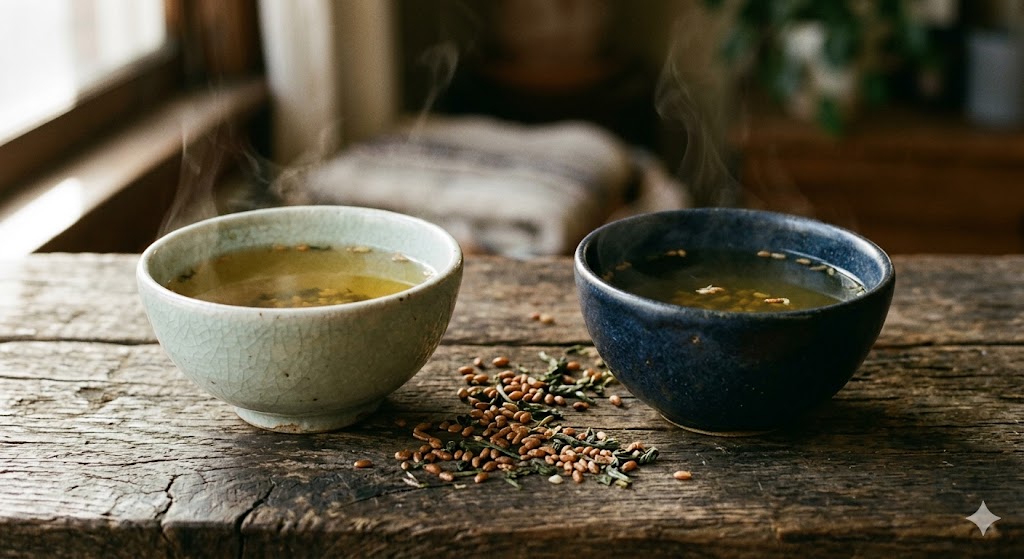
Tasting Comparison: How to Tell the Difference
If you want to experience the regional difference firsthand:
- Buy a small quantity of each at roughly equivalent quality levels (both sencha-base)
- Brew identically — same water temperature, same ratio, same vessel, same steep time
- Taste side by side with plain crackers to reset between cups
- Pay attention to: first sip sweetness, mid-cup astringency, finish length and character, how the rice and
tea flavors balance
Most people who do this tasting exercise can clearly identify the Uji genmaicha by its smoother, sweeter, more complex character — even without knowing which cup is which.
Frequently Asked Questions
Is Uji genmaicha worth the premium for everyday drinking? For a dedicated daily drinker who cares about quality, yes. For someone who uses genmaicha casually alongside other teas, Shizuoka genmaicha provides excellent value and genuinely good flavor without the premium.
Can I find Uji genmaicha in regular grocery stores? Rarely — most grocery store genmaicha is Shizuoka or unspecified origin. Specialty Japanese
Does origin matter more than grade within a region? Both matter. A high-grade Shizuoka genmaicha can outperform a low-grade Uji genmaicha. But comparing comparable quality levels, Uji consistently produces more complex, umami-forward results.
What’s the best gift — Shizuoka or Uji genmaicha? Uji for the more impressive gift; Shizuoka for a practical, quality gift where budget is a factor. If the recipient is a serious Japanese
Does the