Japanese Tea Storage and Freshness: How to Keep Your Tea at Its Best
Japanese Tea Storage and Freshness: How to Keep Your Tea at Its Best
Buying good Japanese
I have learned this the hard way here in Japan, where
- The four enemies of Japanese
tea : oxygen, light, heat, and odor — protect against all four - Airtight container in a cool, dark location is the minimum storage requirement
- Do not refrigerate unless you have truly airtight packaging and a dedicated
tea space - Matcha degrades fastest — use within 4–8 weeks of opening
- Hojicha and bancha are significantly more storage-stable than green teas
Why Japanese Tea Goes Stale
Understanding the degradation mechanisms helps you understand the storage requirements.
Oxidation: This is the primary driver of staleness in Japanese green teas. Green
Light degradation: UV light accelerates chlorophyll breakdown, contributing to color loss and the development of stale off-flavors.
Heat: Higher temperatures accelerate all degradation reactions.
Moisture: Dried
Odor absorption:
The Essential Storage Rules
Rule 1: Airtight container. The container matters enormously. Traditional Japanese
Rule 2: Away from light. Store in a cabinet, drawer, or opaque container. Never on a window ledge or transparent display. This single change makes a significant difference.
Rule 3: Cool environment. A cool pantry or cupboard is good. A hot kitchen cabinet above the stove is poor. Ambient temperature below 20°C (68°F) is ideal for short-term storage.
Rule 4: Away from strong odors. Keep
Rule 5: Minimize air in the container. When you open a package and remove some
Tea-Type Specific Guidance
First-flush sencha (ichiban-cha): The most delicate and most perishable. New crop sencha (shincha) should ideally be consumed within 2 to 3 months of the harvest date for peak flavor. Properly stored, it remains good for 6 months; beyond that, noticeable degradation. Buy in quantities you will drink within 2 months of opening.
Gyokuro: Similar delicacy to first-flush sencha and similar storage requirements. Gyokuro is particularly susceptible to odor absorption due to its high amino acid content. Store in a dedicated sealed tin, not next to other teas. Consume within 2 to 3 months of opening.
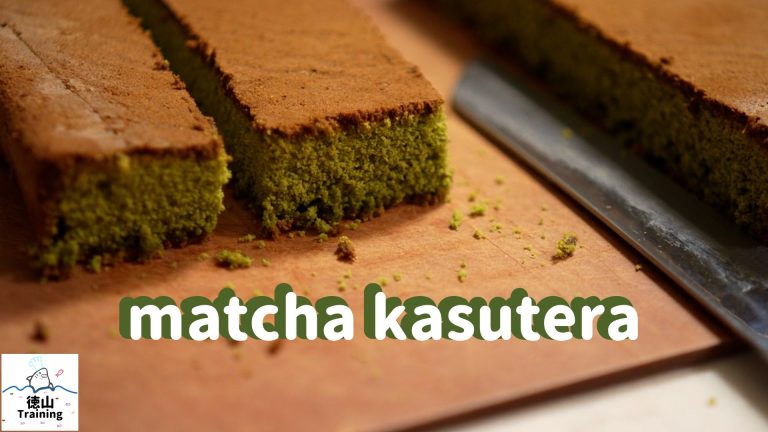
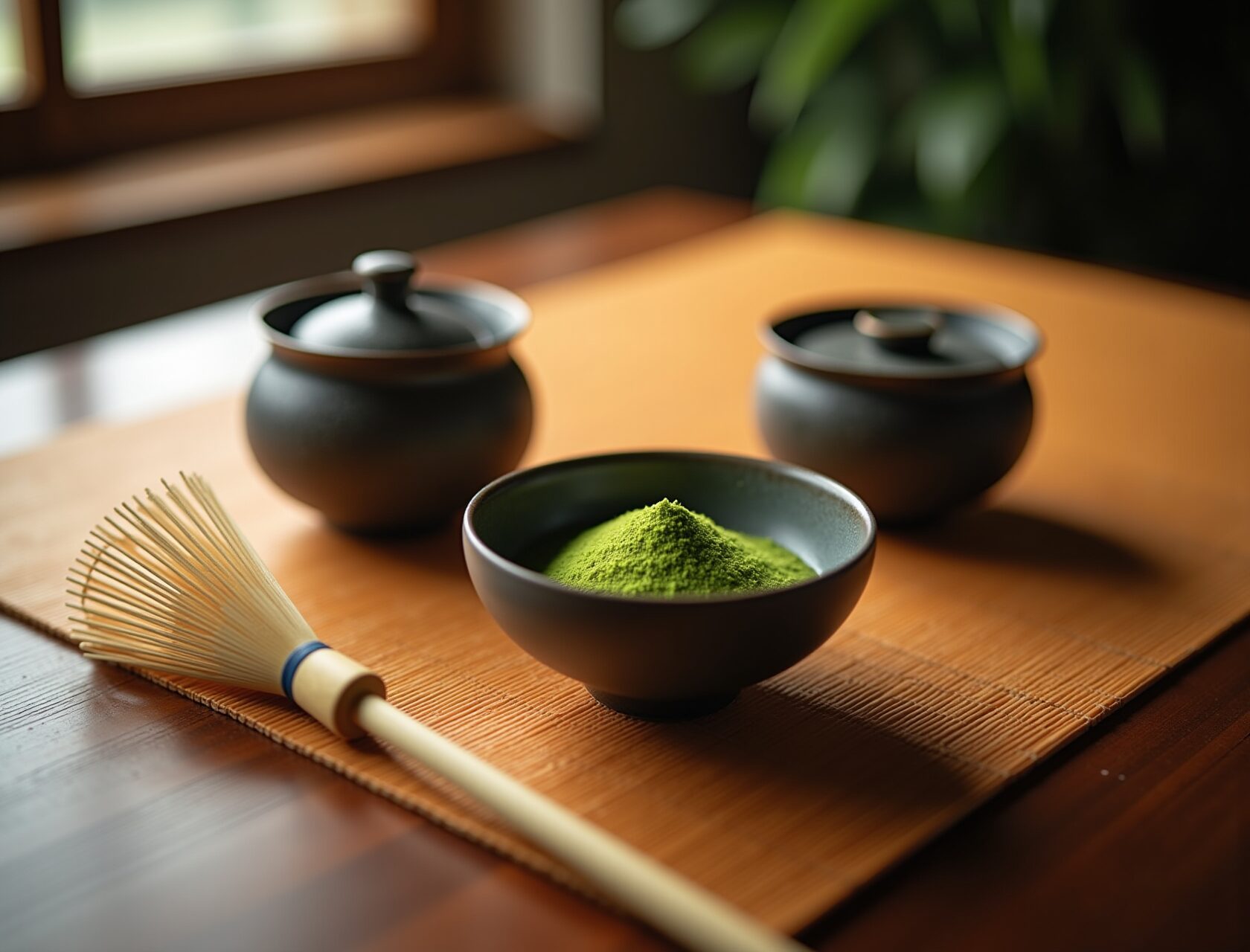
Matcha: The most perishable of all Japanese teas. Matcha is finely ground, giving it enormous surface area that accelerates oxidation dramatically. An opened tin of matcha begins deteriorating within weeks. Use within 4 to 8 weeks of opening for best flavor. Store in the refrigerator in an airtight container for slightly longer shelf life, but allow it to come to room temperature before opening to prevent condensation on the powder. Freezing unopened matcha is fine for long-term storage, though you should avoid repeated freezing and thawing.
Hojicha and bancha: Significantly more storage-stable than green teas. The roasting of hojicha reduces the sensitive compounds that degrade in green
Genmaicha: More stable than plain green
Kabusecha: Similar to gyokuro and first-flush sencha in storage requirements — delicate and perishable.
Should You Refrigerate Japanese Tea ?
This is genuinely debated among Japanese
The problem is moisture and odor. Refrigerators maintain high humidity and contain food odors that
When refrigeration is appropriate: If you have vacuum-sealed, professionally packaged
For most home situations: cool pantry in an airtight tin is simpler, safer, and works well for the realistic consumption timeline of 2 to 3 months.
Freezing Tea
Long-term storage by freezing is practiced by professional
Requirements: truly vacuum-sealed packaging (not just squeeze-out air), airtight against both moisture and odor, and careful thawing (bring the still-sealed package to room temperature completely before opening — at least 30 minutes — to avoid condensation on the
For everyday home use, this level of commitment is not usually necessary. Buy in quantities you will drink within 2 to 3 months and store properly at room temperature.
Recognizing Stale Tea
Stale Japanese green
Stale
Frequently Asked Questions
How long does Japanese green tea last unopened?
Properly stored in an airtight, opaque container away from heat and light: under 12 months for most Japanese green teas, as quality and chlorophyll levels degrade significantly after 6 months. Vacuum-sealed commercially packaged teas may have longer manufacturer-stated shelf lives. After opening, the timeline accelerates — aim to consume within 2 to 3 months for peak quality, and within 6 months before noticeable degradation in most teas.
Can I use old tea for anything?
Yes. Stale green
What is the best tea container to buy?
Traditional Japanese chazutsu (tea tins) with double-lid design are excellent. Look for tin or stainless steel with a lid that seals well — not a simple snap lid, but one that compresses slightly into the opening. Dark-colored or opaque containers prevent light exposure. Porcelain
Why does Japanese tea sometimes taste metallic or off?
A metallic taste can indicate poor water quality (mineral-heavy tap water), a reactive metal brewing vessel (some cheap stainless alloys react with