Yame Hojicha: The Premium Roasted Tea from Fukuoka
When
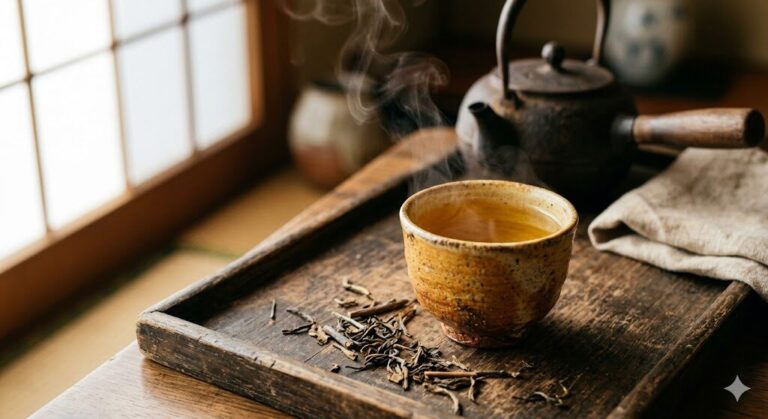
Yame is best known internationally as the source of some of Japan’s most prized gyokuro — but the same misty valleys and mineral-rich soil that produce extraordinary shade-grown teas also yield exceptional hojicha. When high-grade Yame stems and leaves are slow-roasted to perfection, the result is a roasted
What Makes Yame Hojicha Different
Yame sits in a natural basin in southern Fukuoka, surrounded by mountains that create persistent morning fog and cool temperatures. This geography extends the growing season and concentrates the amino acids and sugars in the
When this high-quality raw material is used for hojicha, the roasting process transforms those compounds into a uniquely sweet, caramel-forward profile. Yame hojicha tends to have:
- Sweeter base notes — less astringency than hojicha made from lower-grade leaves
- Layered aroma — roasted caramel with subtle floral undertones
- Cleaner finish — no bitterness, longer sweetness on the palate
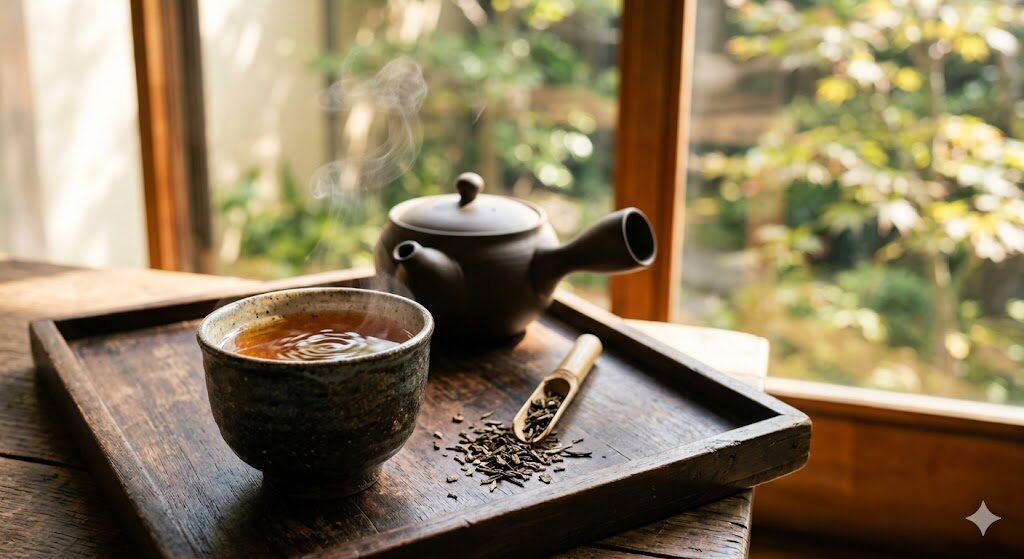
- Rich amber color — deep reddish-brown liquor that signals proper roasting
Yame Hojicha vs Kyoto (Uji) Hojicha
Most commercial hojicha is made in Kyoto’s Uji region. Both are excellent, but they express different regional characters. Uji hojicha tends toward a sharper, more defined roast character — classic and reliable. Yame hojicha is rounder, with more natural sweetness from the higher-quality leaf base.
Think of it this way: Uji hojicha is the standard-bearer. Yame hojicha is the artisan expression. If you’ve been drinking Uji hojicha and want to experience something more complex, Yame is the natural next step.
How to Brew Yame Hojicha Properly
The higher starting quality of Yame hojicha means you can brew it with slightly more precision to get the most from it. Unlike everyday hojicha that handles any water temperature, Yame rewards attention.
Parameters:
- Water temperature: 90–95°C (194–203°F)
- Leaf-to-water ratio: 1 teaspoon per 150ml
- Steep time: 30–45 seconds for first steep
- Vessel: wide-mouth kyusu or ceramic mug with infuser
The first steep reveals the aromatic complexity. The second steep (60 seconds) deepens the caramel notes. Yame hojicha holds up well for 3–4 steepings, which is more than you get from lower-grade hojicha.
Yame Hojicha for Lattes and Cooking
Because Yame hojicha is naturally sweeter, it makes outstanding lattes with less added sweetener. The leaf version brews into a concentrate beautifully — use a 1:10 leaf-to-water ratio with 90°C water for 2 minutes, then add steamed milk.
In cooking and baking, Yame hojicha powder (when available) adds a roasted caramel flavor that works exceptionally well in:
- Panna cotta and crème brûlée
- Shortbread and sablé cookies
- Chocolate ganache (the roasted notes complement dark chocolate)
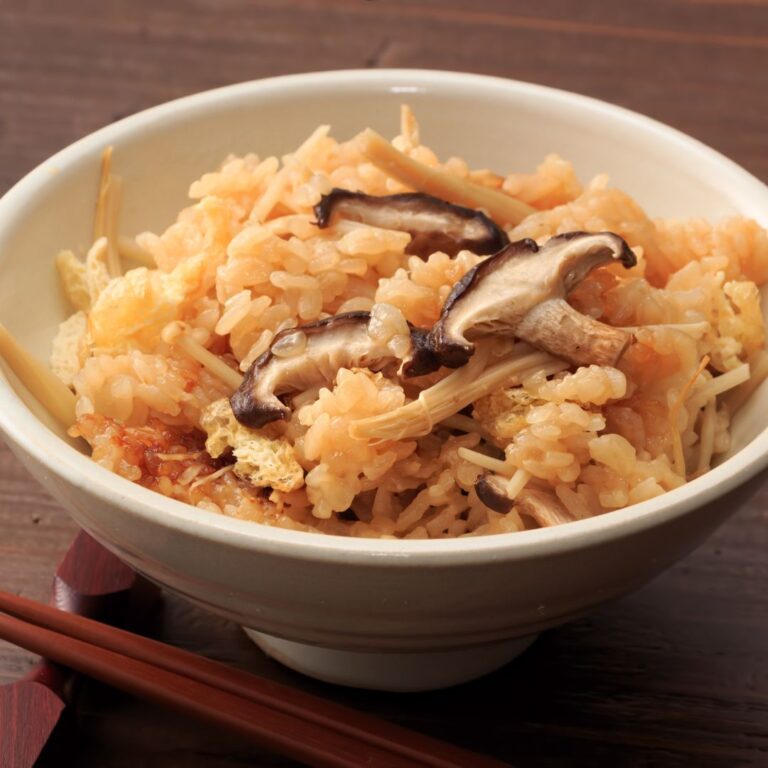
- Rice porridge (okayu) for a savory-sweet morning bowl
Selecting Quality Yame Hojicha
Not all hojicha labeled “Yame” is created equal. Look for these quality markers when purchasing:
- Origin transparency — producer or farmer name listed, not just “Fukuoka”
- Processing date — hojicha is best within 6 months of roasting
- Whole-leaf or stem grade — bancha-base hojicha is common; kukicha (stem) hojicha from Yame is especially sweet
- Nitrogen-flushed packaging — protects the volatile roast aromatics
Browse our Yame hojicha selection for sourced-direct options with full provenance information.
Pairing Yame Hojicha With Food
The natural sweetness of Yame hojicha makes it exceptionally food-friendly. Its roasted character acts as a palate cleanser between bites while the sweetness complements rather than competes with food.
Excellent pairings:
- Wagashi — traditional Japanese confectionery, especially red bean
- Cheese — mild aged cheeses like Gruyère or mild cheddar
- Grilled fish — the smokiness echoes the roast notes
- Dark chocolate — 70%+ complements without sweetness competition
- Rice crackers — the classic Japanese combination for good reason
Caffeine in Yame Hojicha
Like all hojicha, Yame hojicha is low in caffeine. The roasting process converts much of the caffeine and tannins, leaving approximately 7–15mg per 8oz cup compared to 30–50mg in green
Frequently Asked Questions
Is Yame hojicha the same as Kyushu hojicha?
Yame is a specific district within Fukuoka Prefecture, which is part of Kyushu island. Not all Kyushu hojicha is Yame hojicha. Yame designation indicates the specific appellation with its unique terroir.
Why is Yame hojicha more expensive than regular hojicha?
The premium reflects the higher quality leaf material. Yame uses a higher grade of base
Can I cold brew Yame hojicha?
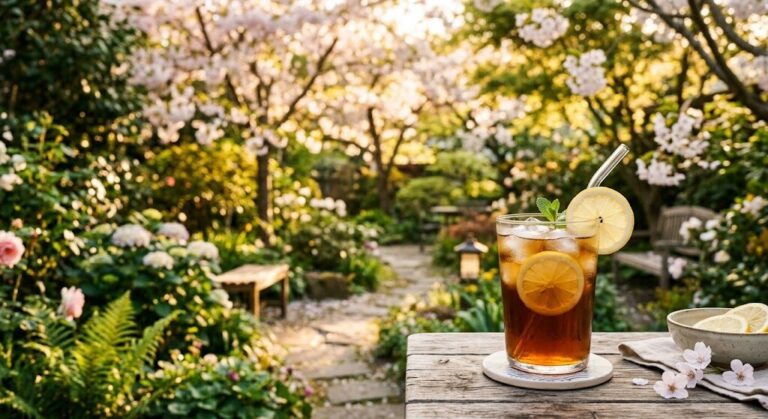
Yes, and it’s excellent cold brewed. Use 1 tablespoon of loose leaf per 400ml cold water, steep in the refrigerator for 8–12 hours. The cold brew method accentuates the sweetness and produces a smoother, less roasted flavor profile.
How should I store Yame hojicha?
Store in an airtight tin away from light and heat. Avoid the refrigerator unless sealed airtight — condensation damages the aromatic compounds. Consume within 3 months of opening for best aroma.
What’s the difference between Yame hojicha leaf and Yame hojicha powder?
Whole leaf retains more complexity and is best for traditional brewing or cold brew. Powder is purpose-made for lattes, baking, and quick preparation. Each has its place — consider your primary use before ordering.