Makizushi: The Complete Guide to Japanese Rolled Sushi
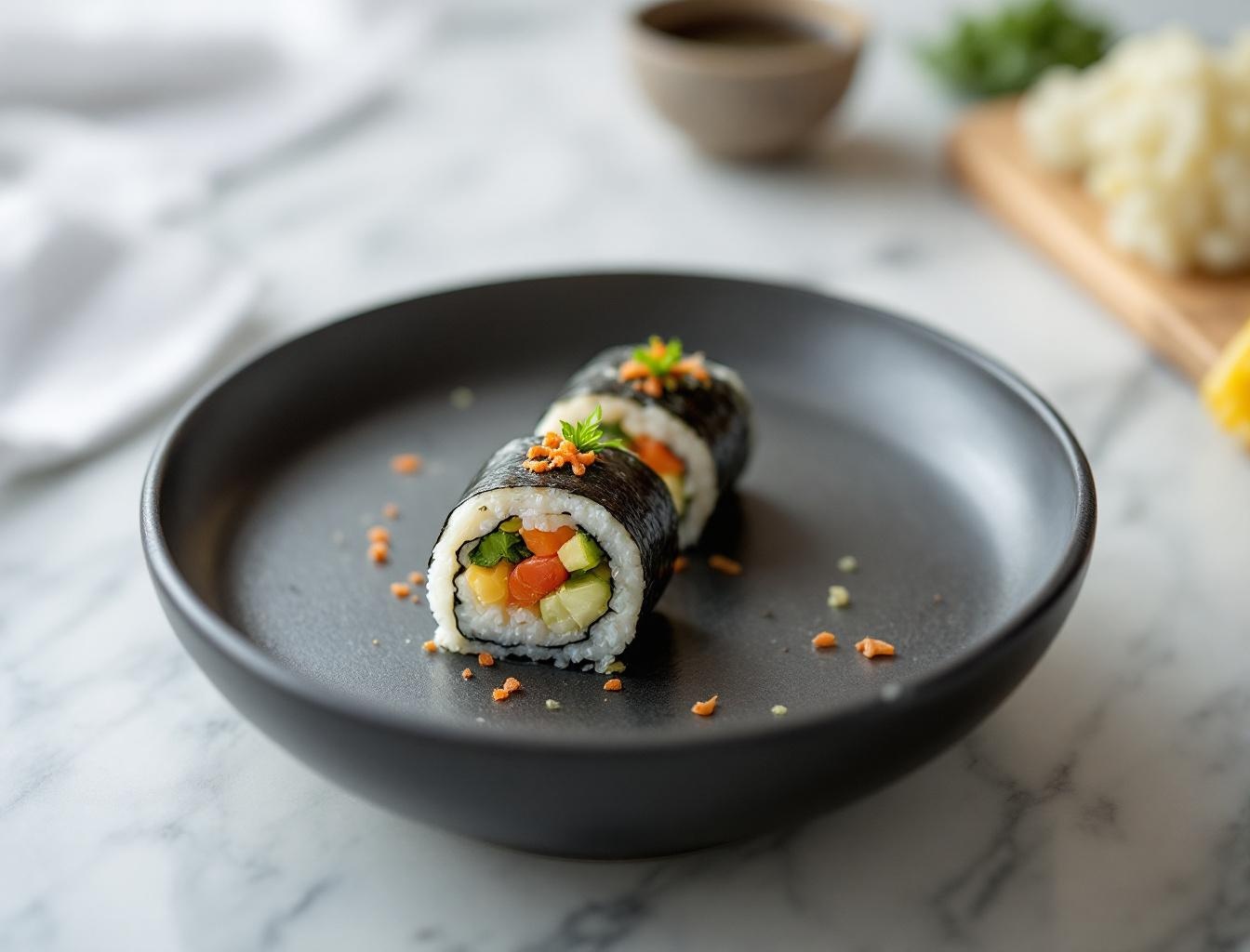
Makizushi (巻き寿司) is the Japanese term for rolled sushi — the kind where vinegared rice and fillings are wrapped in nori seaweed using a bamboo mat. It’s probably the style of sushi you’re most familiar with, and it’s also the most fun to make at home.
Whether you’re a complete beginner or you’ve been rolling sushi for years, this guide covers everything: the different types of makizushi, essential ingredients, rolling technique, and tips for getting tight, clean rolls every time.
What Is Makizushi?
Makizushi literally means “rolled sushi” (maki = roll, sushi = vinegared rice). It’s one of the four main categories of sushi, alongside nigiri (hand-pressed), chirashi (scattered), and oshi (pressed).
The basic concept is simple: spread sushi rice on a sheet of nori, add fillings, and roll it up with a bamboo rolling mat called a makisu. Then slice into bite-sized pieces.
What makes makizushi special is its versatility. You can fill it with raw sushi, cooked seafood, vegetables, egg, pickles — almost anything. The combination possibilities are endless, which is why it’s so popular around the world.
Types of Makizushi
Hosomaki (Thin Rolls)
Hosomaki are thin rolls made with a half sheet of nori, containing a single filling. They’re about 1 inch in diameter when finished. Classic hosomaki fillings include:
- Kappamaki — Cucumber roll. Named after the kappa, a cucumber-loving creature from Japanese folklore.
- Tekkamaki — Tuna roll. The original “tuna roll” with strips of fresh maguro.
- Negitoromaki — Minced fatty tuna with scallion.
- Kanpyomaki — Seasoned dried gourd strips. A traditional temple food.
- Shinkomaki — Pickled daikon radish (takuan). Bright yellow and crunchy.
Hosomaki are the simplest type to make and the best starting point for beginners. The small size means they’re easier to roll tightly.
Futomaki (Thick Rolls)
Futomaki are thick rolls made with a full sheet of nori and multiple fillings. They’re about 2 to 2.5 inches in diameter — substantial enough to be a meal on their own.
A traditional futomaki might contain five or more fillings: tamago (egg omelet), kanpyo, cucumber, sakura denbu (sweet fish floss), and shiitake mushrooms. The goal is a colorful cross-section when you slice it.
Futomaki are a staple of bento boxes and are especially popular during Setsubun (the bean-throwing festival in February), when people eat an uncut futomaki called ehomaki while facing the year’s lucky direction.
Uramaki (Inside-Out Rolls)
Uramaki have the rice on the outside and the nori on the inside. This style was invented in the United States — most famously in the California roll — to appeal to diners who were put off by the appearance of nori on the outside.
Common uramaki include:
- California Roll — Crab (or imitation crab), avocado, and cucumber.
- Dragon Roll — Shrimp tempura inside, sliced avocado draped over the top.
- Rainbow Roll — A California roll topped with assorted sashimi slices.
- Spicy Tuna Roll — Diced tuna mixed with spicy mayo.
Uramaki are slightly trickier to make because the rice tends to stick to everything. Wetting your hands and covering your bamboo mat with plastic wrap are essential.
Temaki (Hand Rolls)
Temaki are cone-shaped hand rolls — no bamboo mat needed. You take a piece of nori, add rice and fillings, and roll it into a cone shape by hand.
Temaki are meant to be eaten immediately after rolling, before the nori loses its crispness. They’re a popular party format in Japan: set out the ingredients and let everyone roll their own. This style is called temaki-zushi party (手巻き寿司パーティー) and it’s one of my favorite ways to enjoy sushi at home.
Essential Ingredients
Sushi Rice
Good makizushi starts with good sushi rice. Use short-grain Japanese rice (like Koshihikari) seasoned with a mixture of rice vinegar, sugar, and salt. The rice should be sticky but not mushy, seasoned but not wet.
Key tips: Rinse the rice until the water runs clear. Cook it with slightly less water than normal. Season the hot rice with vinegar mixture while fanning it to cool — this gives it that distinctive glossy finish.
Nori
Use high-quality roasted nori (yaki-nori). It should be dark green, almost black, with a crisp texture and a toasty ocean smell. Cheap nori will be thin, pale, and tear easily.
For hosomaki, cut a full sheet in half. For futomaki and uramaki, use a full sheet. Always place the shiny side down when rolling.
Fillings
The beauty of makizushi is that almost anything works as a filling. Here are some classic options:
- Raw fish: Sashimi-grade tuna, salmon, yellowtail (hamachi), shrimp
- Cooked seafood: Shrimp tempura, crab, unagi (grilled eel), cooked shrimp
- Vegetables: Cucumber, avocado, asparagus, shiso leaf, pickled daikon
- Egg: Tamagoyaki (Japanese omelet), cut into strips
- Other: Cream cheese, kanpyo (dried gourd), natto, umeboshi (pickled plum)
How to Roll Makizushi (Step by Step)
Here’s the technique for a basic hosomaki or futomaki:
Step 1: Prepare Your Station
Set out your bamboo mat (makisu), a bowl of water mixed with a splash of rice vinegar (for wetting your hands), a sharp knife, and all your ingredients. Keep a damp towel nearby for wiping your hands and knife.
Step 2: Place the Nori
Lay the nori on the bamboo mat, shiny side down, with the longer edge facing you. For hosomaki, use a half sheet.
Step 3: Spread the Rice
Wet your hands. Take a golf ball-sized amount of rice (for hosomaki) or a tennis ball-sized amount (for futomaki). Spread it evenly across the nori, leaving about a 1-inch strip of bare nori at the far edge. This strip is your “glue” — it’ll seal the roll.
Don’t press the rice down hard. You want an even, thin layer. The most common beginner mistake is using too much rice.
Step 4: Add Fillings
Place your fillings in a line across the center of the rice. Keep fillings contained — if they’re spilling out the sides, you’ve used too much.
Step 5: Roll
Using the bamboo mat, lift the edge nearest to you up and over the fillings. Tuck the edge of the rice against the far side of the fillings. Now continue rolling forward, using the mat to apply gentle, even pressure. Don’t squeeze — just firm enough to shape it.
When you reach the bare nori strip, dab it with a tiny bit of water and finish the roll. The moisture will seal it.
Step 6: Slice
Wet your knife with vinegared water. Cut the roll in half, then cut each half into 3 pieces (for 6 total). Use a single, clean pull — don’t saw back and forth. Re-wet the knife between cuts.
Tips for Perfect Makizushi
- Less rice is more. The number one mistake is piling on too much rice. A thin, even layer is all you need.
- Keep your hands wet. Sushi rice is extremely sticky. Keep a bowl of vinegared water nearby and wet your hands before touching the rice.
- Use a sharp knife. A dull knife will crush your roll. A wet, sharp knife glides through cleanly.
- Let the roll rest. After rolling, let it sit for 30 seconds before slicing. This helps it hold its shape.
- Wrap your mat in plastic. Especially for uramaki. It prevents rice from sticking to the bamboo.
- Practice with hosomaki first. Thin rolls are more forgiving. Master those before attempting futomaki.
- Don’t overfill. Two to three fillings maximum for most rolls. It’s tempting to add everything, but overstuffed rolls fall apart.
Makizushi vs. Other Sushi Styles
Understanding where makizushi fits in the sushi family helps you appreciate what makes it unique:
- Nigiri — A hand-pressed mound of rice topped with a slice of fish. No nori wrapping (usually). The simplest form of sushi.
- Chirashi — Assorted sashimi and toppings scattered over a bowl of sushi rice. No rolling involved.
- Oshizushi — Pressed sushi made in a wooden mold. A specialty of Osaka.
- Makizushi — Rolled sushi using a bamboo mat. The most versatile and home-cook-friendly style.
Frequently Asked Questions
What’s the difference between maki and makizushi?
They’re the same thing. “Maki” is the shortened form of “makizushi.” In English, people often just say “maki” or “maki roll” — both refer to rolled sushi wrapped with nori using a bamboo mat.
Can you make makizushi without raw fish?
Absolutely. Many traditional makizushi fillings are cooked or vegetarian: cucumber (kappamaki), egg omelet (tamago), pickled daikon, cooked shrimp, grilled eel (unagi), and avocado are all common. You don’t need any raw fish to make delicious makizushi.
How long does makizushi keep?
Makizushi is best eaten within a few hours of making it. The nori loses its crispness and the rice hardens as it cools. If you must store it, wrap tightly in plastic wrap and refrigerate for up to 24 hours, but the texture won’t be the same. Never freeze makizushi — the rice becomes unpleasantly hard.
What size bamboo mat do I need?
A standard makisu (bamboo rolling mat) is about 9.5 x 9.5 inches. This size works for both hosomaki and futomaki. You can find them at any Asian grocery store or online for just a few dollars. Look for mats made with flat bamboo slats tied with cotton string.