Japanese Tea for Autumn: Hojicha, Genmaicha & Bancha
Autumn marks a genuine shift in Japanese
How Japanese Tea Changes in Autumn
The autumn
This doesn’t make it inferior — it makes it different and appropriate for the season. Fall’s richer, more complex cooking (root vegetables, mushrooms, heavier proteins) calls for more assertive
Hojicha: The Essential Fall Tea
As temperatures drop and the evenings cool, hojicha’s roasted warmth becomes ideal. The caramel, woody character is quintessentially autumnal — it evokes fallen leaves, harvest festivals, and the distinctive pleasure of warm hands wrapped around a hot cup.
Fall is also the best time to explore different hojicha styles. Kyoto-style hojicha (roasted from bancha stems) has a woodier, more camphor-like quality in autumn preparations. Miyazaki hojicha remains consistently sweet and caramel-forward. Yame hojicha (if you can find it) expresses its regional sweetness most clearly in the cooling autumn temperatures.
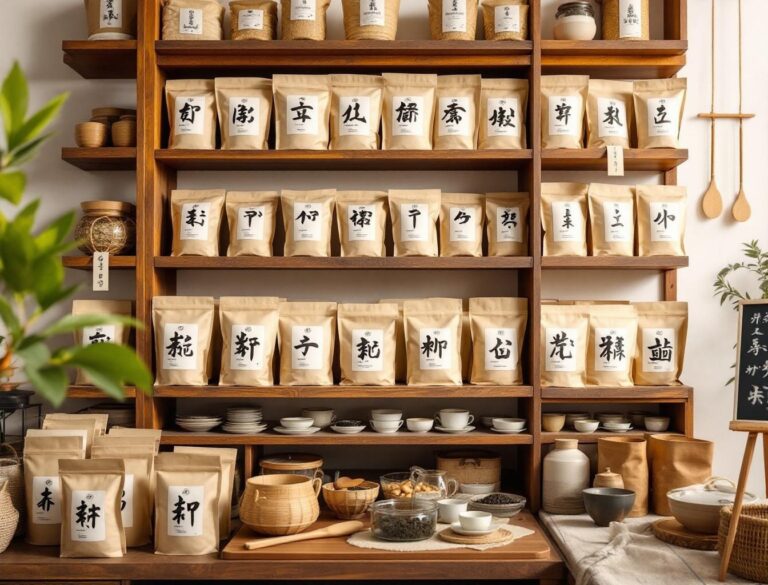
Our hojicha collection here includes several regional styles appropriate for autumn exploration.
Genmaicha: The Harvest Tea
Genmaicha — with its roasted brown rice component — is thematically connected to the harvest season in a way no other Japanese
For autumn specifically, consider the matcha-iri genmaicha (with added matcha powder) option. The matcha’s green, slightly bitter contrast adds complexity to the genmaicha that’s particularly satisfying as the weather changes. Browse our genmaicha options including matcha-iri varieties.
Bancha: The Everyday Autumn Tea
Late-harvest bancha is autumn’s everyday
The stronger, more assertive character of autumn-harvest bancha suits cooler temperatures. Drink it with Japanese meals — alongside miso soup and rice at breakfast, with grilled fish at dinner, as a general accompaniment to the more substantial foods of fall.
Autumn Tea and Food Pairings
Fall’s rich seasonal ingredients pair naturally with Japanese
- Hojicha with mushroom dishes — the roasted character echoes mushroom’s earthy, woodsy quality; particularly good alongside sauteed shiitake or matsutake in season
- Genmaicha with kabocha (Japanese pumpkin) — the grain sweetness amplifies the pumpkin’s natural sweetness in a satisfying autumn combination
- Bancha with root vegetable nimono — daikon, carrot, and burdock simmered in dashi pair naturally with autumn bancha’s assertive character
- Hojicha with wagashi autumn sweets — seasonal wagashi featuring chestnut, yuzu, and sweet potato are the classic fall confectionery pairings
- Strong sencha with nabe (hot pot) — as nabe season begins in October, a quality sencha cuts through the richness of meat and tofu hot pots
The Autumn Tetsubin Ritual
Autumn is the traditional season to bring out the heavy cast iron tetsubin. In Japanese homes, the switch from cold brew season to tetsubin season marks the turn to fall as clearly as the changing leaves. The tetsubin’s warmth radiating from the stovetop, the ritual of heating water slowly, and the mineral-enriched water it produces are all part of the autumn
If you have a tetsubin that was stored for summer, inspect it before use: check for rust, re-season if needed, and run through two boil-and-discard cycles before using the water for
Second and Third Flush Tea : Autumn’s Underrated Harvest
While first-flush sencha commands premium attention in spring, autumn’s later-harvest bancha and genmaicha deserve more credit than they typically receive. These teas represent the culmination of the entire growing year — more robust and complex than spring’s delicate offerings, and often underpriced relative to their quality. The second and third flush Shizuoka bancha is particularly worth exploring as autumn drinking
Frequently Asked Questions
Is there a specific Japanese tea harvest in autumn?
Yes. Japan typically has 3-4 harvests per season in warmer regions. The third flush (sanbancha) occurs in late summer to early autumn. In cooler mountain regions, the second flush is the final harvest. Autumn-harvest bancha from Kagoshima extends into November in some years. While not as prestigious as first flush, autumn-harvest
When does Japanese tea season typically shift from cold brew to hot tea ?
In Japan, the cultural shift happens around September when nights become noticeably cooler. Iced
Are there autumn-specific Japanese teas I should look for?
Some producers release limited autumn genmaicha with the year’s final green
Which hojicha is best for autumn?
Stem-based hojicha (kukicha-base roast) is particularly suited to autumn — the woody character of the stems aligns with the earthy, forested quality of fall. Miyazaki leaf hojicha maintains its sweet, caramel quality year-round but feels especially appropriate in cooling weather. Both are excellent autumn choices.
Can I mix autumn teas from different regions for a custom blend?
Yes. Blending is a traditional Japanese