Culinary Tea Movement: Using Japanese Tea in Cooking
Culinary Tea Movement: Using Japanese Tea in Cooking
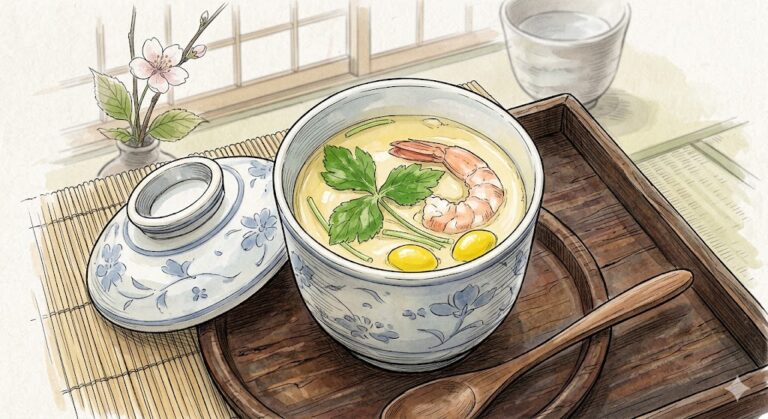
Tea as an ingredient in cooking is not a new idea in Japan. Cha-soba (green
Here is how to think about and use Japanese
Understanding Tea as a Flavor Ingredient
Before jumping to recipes, it helps to understand what each type of Japanese
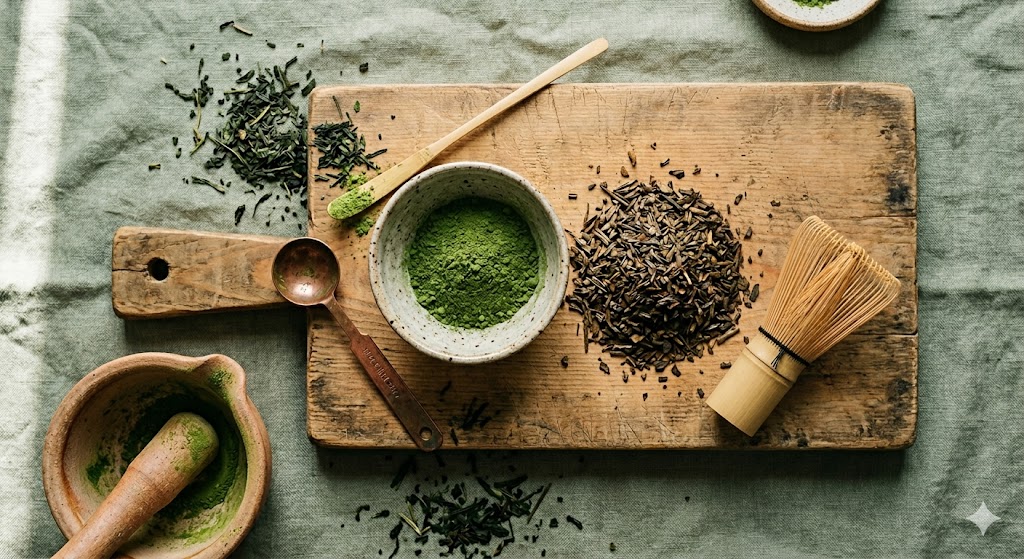
Matcha: Grassy, slightly bitter, with umami depth. The green intensity comes through powerfully in both sweet and savory applications. The fat-soluble flavor compounds in matcha integrate well with butter, cream, and oils.
Sencha: Bright, grassy, with natural sweetness and mild astringency. Brewed sencha works as a poaching liquid or sauce base. Ground sencha works similarly to culinary matcha but with a slightly rougher texture.
Hojicha: Roasted, caramel, smoky with subtle sweetness. The most versatile
Bancha: Strongly flavored green
Kukicha: Nutty, mild, slightly creamy. Works well in cream sauces, custards, and as a base for
Genmaicha: Toasted rice and green
Matcha in Cooking: Beyond the Latte
Matcha is the most established Japanese
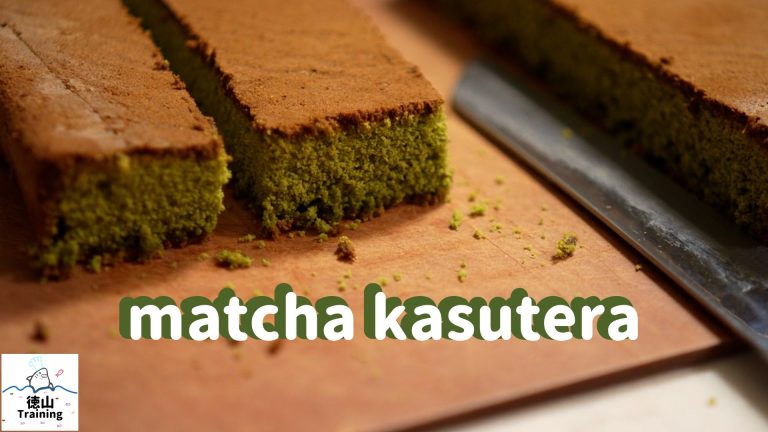
Sweetened applications: Matcha’s slight bitterness balances sweet components beautifully. Classic combinations: matcha shortbread, matcha mochi, matcha ice cream, matcha cheesecake. Standard ratio for baked goods: 1 to 2 teaspoons (3 to 6g) per cup of flour. Start conservative — the flavor intensifies during baking.
Fat integration: Matcha’s flavor compounds dissolve in fat. For the most intense flavor in cream-based preparations (ice cream, panna cotta, whipped cream), bloom the matcha in a small amount of warm liquid first, then incorporate into the fat base.
Savory matcha applications: Less explored but excellent. Matcha salt is typically mixed in a 1:1 ratio (based on source [12]). on grilled fish, tempura, or poached egg. Matcha in salad dressings — a small amount adds bitterness that balances acidity. Matcha butter for finishing grilled meats or vegetables. Matcha in pasta dough (1 tablespoon per 100g flour) creates a striking green pasta with subtle vegetal depth.
Cooking-grade vs ceremonial: For cooking applications where matcha is mixed with strong flavors, culinary grade matcha is appropriate and much more cost-effective. Save ceremonial grade for drinking and delicate preparations where the quality difference matters.
Hojicha in Savory Cooking
Hojicha may be the most underutilized Japanese
Marinades and brines: Brew strong hojicha (double-strength, cooled) and use as the liquid base for a marinade. Add soy sauce, mirin, and ginger. The roasted notes penetrate meat and create a complex, subtly smoky character without actual smoke. Works excellently with chicken, pork, and duck.
Braises: Use strong brewed hojicha as part of the braising liquid for short ribs, pork belly, or chicken. The
Tea smoking: Hojicha leaves can be used in a
Sencha and Green Tea in Japanese Traditional Applications
Ochazuke: Perhaps the most fundamental culinary use of green
Tea-poached proteins: Replace water or stock with sencha or bancha when poaching chicken, salmon, or tofu. The
Cha-soba (green
Infused Creams, Oils, and Butters
Tea infusion into dairy and fats creates versatile base ingredients:
Hojicha cream: Steep loose hojicha in warm heavy cream (70°C, 30 minutes), strain, chill. Use for whipped cream, ice cream base, or sauce. The roasted caramel notes integrate beautifully with dairy fat.
Sencha butter: Blend softened butter with finely ground sencha or matcha. Freeze in logs, slice to order. Use to finish grilled fish, vegetables, or steamed rice.
Tea-infused oil: Gently warm neutral oil (around 60°C) with
Recipe Ideas to Start With
- Hojicha creme brulee — substitute half the dairy with hojicha-infused cream
- Matcha shortbread with white chocolate — classic combination
- Tea-brined chicken — overnight hojicha brine before roasting
- Ochazuke — the simplest and most authentically Japanese starting point
- Genmaicha granola — toast oats with genmaicha leaves for background grain flavor
- Matcha salt for finishing grilled fish or soft-boiled eggs
Frequently Asked Questions
Can I use expired or old Japanese tea for cooking?
Yes —
What is the best Japanese tea for baking?
Matcha for color and distinctive flavor. Hojicha for warm, caramel-roasted notes in cookies, cakes, and custards. Genmaicha for subtle toasted grain background. Each integrates differently — matcha dominates, hojicha blends, genmaicha backgrounds.
How much matcha should I add to a recipe?
For most baked goods, start with 1 teaspoon (about 3g) per 100g of flour. For ice cream or custard, 2 teaspoons per cup of dairy. For savory applications, start with a very small amount (0.5 teaspoon) and taste. Matcha’s bitterness can easily become overwhelming — it is easier to add more than to correct over-matcha.
Does cooking destroy the health benefits of tea ?
Heat does degrade some compounds — notably some heat-sensitive amino acids and volatile aromatics. However, matcha incorporated into baked goods retains meaningful catechin content even after oven temperatures. For maximum health benefit, drinking
Is there a Japanese equivalent of tea -smoked food?
Yes — smoking with