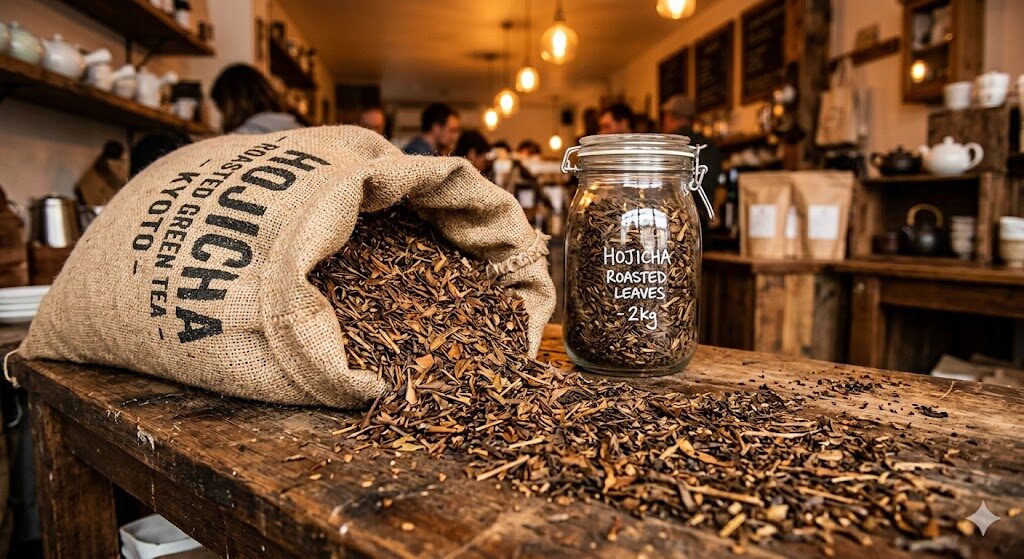
Bulk Hojicha for Restaurants and Cafes: Best Options for Food Service Use
Hojicha has arrived as a mainstream menu ingredient in Western cafes and restaurants, and for good reason: it makes a compelling latte, pairs naturally with desserts, and offers something genuinely different from the matcha drinks that have been on every coffee shop menu for years. If you’re sourcing hojicha for a food service operation — whether a Japanese restaurant, a specialty
Why Hojicha Works in Food Service
Hojicha has several properties that make it particularly well-suited to professional kitchen environments:
- Forgiving brewing: Near-boiling water is fine for hojicha — no precise temperature control needed. In a busy kitchen, this matters enormously.
- Low caffeine: Hojicha’s lower caffeine makes it a better evening option than matcha or coffee, though it still contains caffeine — customers should avoid it 3 to 4 hours before bedtime. This expands your potential customer base.
- Approachable flavor: The roasted, caramel-adjacent flavor profile brings in customers who wouldn’t order straight green
tea or matcha. It’s Japanese without being intimidating. - Two formats: Loose leaf for steeped
tea service; hojicha powder for lattes, baking, and desserts. One ingredient covers multiple menu applications. - Stability: Hojicha has better shelf stability than many premium teas due to its roasted nature — less sensitive to temperature fluctuations in storage.
Loose Leaf Hojicha vs. Hojicha Powder for Food Service
The right format depends entirely on your intended application:
Loose leaf bulk hojicha is appropriate for:
- Steeped
tea service (hot or iced) - Large-batch cold brew production
- Brewing base for hojicha lattes (steep concentrated, add to milk)
Hojicha powder is appropriate for:
- Hojicha lattes (dissolves into steamed milk cleanly)
- Baking: hojicha cakes, cookies, mochi, ice cream, tiramisu
- Sauces and glazes
- Applications where visible leaf matter would be undesirable
Many food service operations stock both: loose leaf for hot
Quantity Planning for Food Service
Rough consumption estimates to guide bulk purchasing:
- Hot
tea service: ~4–5g per 8oz cup. 500g of loose leaf hojicha yields approximately 100–125 cups. - Hojicha latte: ~8–10g powder per 12oz latte. 1kg of hojicha powder yields approximately 100–125 lattes.
- Cold brew batch (1 gallon): ~60–80g loose leaf for 8-hour cold brew, yields 12–16 servings depending on dilution.
For a cafe doing 20–30 hojicha lattes daily, expect to go through approximately 5–9 kg of hojicha powder monthly. For a restaurant serving hojicha with meals, 500g–1kg of loose leaf monthly handles significant volume.
Quality Standards for Bulk Sourcing
The risk with bulk purchasing is that cost pressure pushes toward lower-quality products. For a food service operation, quality matters because:
- Your customers can taste the difference — especially regular customers who try hojicha at home and know what it should taste like
- Premium hojicha is a premium menu item — charging $5–7 for a hojicha latte requires
tea that justifies the price - Flavor consistency matters for standardized recipes
What to look for in bulk hojicha sourcing:
Origin specification: Quality bulk hojicha should tell you the Japanese region — Uji (Kyoto), Shizuoka, or Kagoshima are the major producing areas. Uji hojicha is considered premium; Shizuoka is the standard for excellent quality at scale.
Roast date freshness: For loose leaf, ask suppliers when the hojicha was roasted. Hojicha’s roasted character does fade over time — stock that’s been sitting in a warehouse for 18 months will taste noticeably flatter than recently roasted product.
Packaging: Bulk
Certification for certain establishments: Japanese restaurants or establishments that market their ingredients’ provenance may want JAS Organic certification. Available but narrows the supplier field — discuss with potential suppliers specifically.
Wholesale Hojicha Sources
For food service sourcing, options include:
- Direct importer specialists: Companies that import directly from Japanese
tea producers offer the best quality and origin transparency. They can often provide samples before committing to volume. - Japanese wholesale distributors: Particularly relevant if you’re already sourcing other Japanese ingredients (dashi, nori, sake) — consolidating suppliers reduces logistics overhead.
- Online Japanese
tea specialists: Many accept food service accounts for volume pricing. Contact us at All Day I Eat to discuss food service pricing for hojicha and other Japanese teas and pantry ingredients.
Menu Ideas: How Food Service Operations Are Using Hojicha
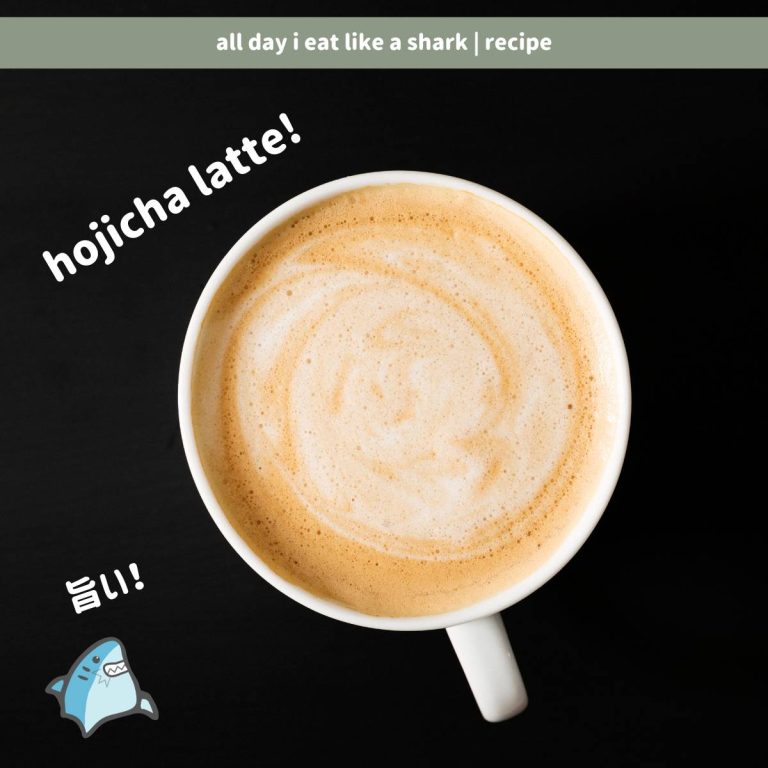
- Hojicha latte: The flagship application. Powder dissolved into steamed oat, almond, or whole milk. Often sweetened lightly with honey or house simple syrup.
- Hojicha iced
tea : Cold-brewed 8 hours, served over ice. Clean, low-caffeine, food-pairing friendly. - Hojicha affogato: Strong hojicha cold brew poured over vanilla ice cream. Novel and delicious.
- Hojicha tiramisu: Replace espresso soak with strong hojicha concentrate. Popular in Japanese patisseries; increasingly showing up in specialty Western bakeries.
- Hojicha crème brûlée: Hojicha powder infused into the cream base. Subtle and sophisticated.
- Hojicha granola: Mix hojicha powder with oats, maple syrup, and toasted nuts. Excellent breakfast item with Japanese character.
Frequently Asked Questions
What’s the minimum order quantity for bulk hojicha? This varies by supplier. Many Japanese
Does hojicha powder behave differently from matcha powder in recipes? Yes — hojicha powder has a coarser grind than ceremonial matcha and doesn’t emulsify quite as smoothly. Use a milk frother or hand blender when making lattes. In baking, the coarser grind is less of an issue.
Can I cold-brew hojicha in large batches for iced
Is hojicha allergen-free? Hojicha is naturally free of the major allergens — no gluten, dairy, nuts, or soy in pure hojicha. Always verify your specific product and check for any processing facility shared allergen risks.
How should bulk hojicha be stored in a commercial kitchen? In sealed, airtight containers, away from heat sources (not next to the stove), and away from strong-smelling ingredients (tea absorbs ambient aromas). Transfer from large shipping packages into smaller working containers and rotate stock (first-in, first-out).