Organic Bancha Tea: How to Find Quality Everyday Japanese Tea
Bancha is Japan’s everyday green
Why Organic Matters Specifically for Daily Tea
The cumulative consumption argument is strongest for daily beverages. Occasional eating of non-organic produce is one thing; a cup of bancha every morning and evening means the
Japan’s conventional
JAS Organic Certification: What It Guarantees
Japan’s JAS (Japanese Agricultural Standard) organic certification requires:
- A minimum 3-year transition period where synthetic chemicals haven’t been used on the land
- No synthetic pesticides — only naturally derived, JAS-approved pest management
- No synthetic fertilizers — compost, green manure, and approved organic inputs only
- Annual auditing by an accredited JAS certifying body
- Chain-of-custody tracking from farm through processing and packaging
Look for the JAS Organic seal (stylized leaf design) on Japanese teas. This is a legally controlled mark that requires active certification maintenance — not a marketing claim a brand can use freely.
Best Regions for Organic Bancha
Miyazaki Prefecture: Japan’s organic
Kagoshima Prefecture: Japan’s southernmost major
Shizuoka Prefecture: Primarily conventional, but small-batch organic producers exist and have been farming organically for decades — often without heavy marketing about it. Worth seeking out Shizuoka organic bancha from specialist importers who source small farms.
Kyoto (Wazuka, Ujitawara): Primarily focused on high-value teas (gyokuro, high-grade sencha). Organic bancha from Kyoto is rare but exists and commands premium prices relative to other regions’ organic bancha.
What Quality Organic Bancha Looks and Tastes Like
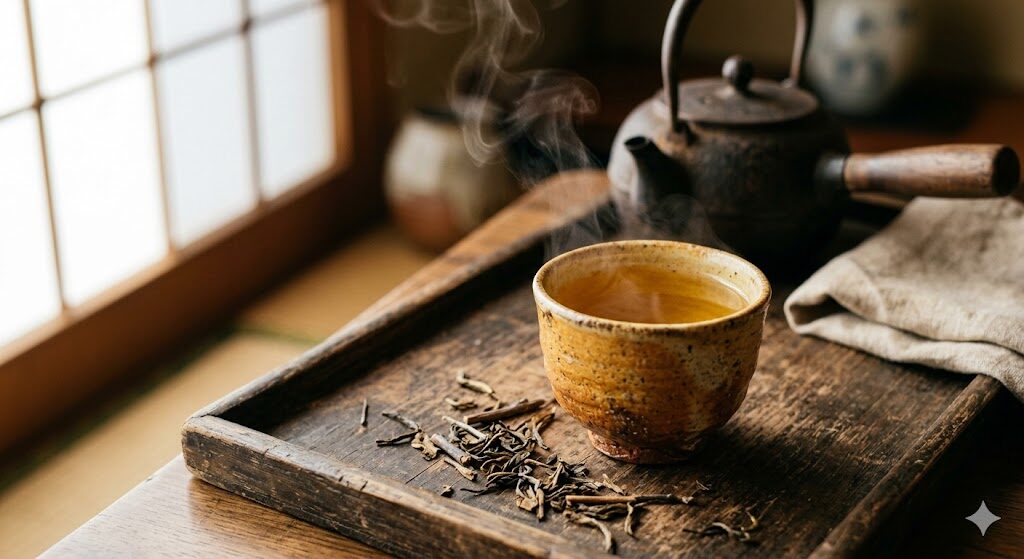
Appearance: Good organic bancha consists of intact leaves, not primarily dust and fannings. Some stems are expected and desirable — they add sweetness. The leaves should be a healthy deep green, not yellowish or gray (which indicates old or poorly stored
Aroma: Fresh organic bancha should smell pleasantly vegetal and earthy — slightly sweet, with a clean hay-like note. Stale bancha smells flat with no sweetness. If the bag you open smells like nothing, the
Brewed color: Clear, warm golden-yellow to pale green. Deep amber usually indicates old
Flavor: Earthy, mellow, slightly nutty, no significant bitterness or astringency at proper brewing temperature. Organic bancha from Miyazaki tends to have a slightly rounder, more mineral quality than Shizuoka bancha.
Reading the Label: What to Check
When buying organic bancha, the label should tell you:
- JAS Organic seal: Required for authentic Japanese organic certification
- Prefecture of origin: Not just “Japan” — a specific named region
- Harvest year or best-by date: Freshness is key for flavor; avoid undated products
- Whether it’s loose leaf or bagged: Loose leaf is meaningfully better quality
- Importer details: If you’re buying in the US or Europe, the importer’s reputation and sourcing practices matter — look for companies specializing in Japanese
tea , not general organic food distributors
How to Brew Organic Bancha
The same principles as conventional bancha, but freshness typically means you can use slightly shorter steep times:
- Water temperature: 185–200°F (85–93°C). Bancha is more tolerant of near-boiling water than premium green teas.
- Leaf ratio: 1 teaspoon (2–3g) per 6–8oz water
- Steep time: 30–45 seconds for fresh organic bancha; up to 60 seconds for older stock
- Second steep: 45–60 seconds — bancha yields good flavor over 2–3 infusions
Price Expectations for Organic Bancha
Quality organic bancha runs $12–22 per 100g loose leaf, compared to $7–14 for quality conventional bancha. The premium reflects:
- Lower yields from organic farming (no synthetic fertility/pest management boosts)
- Certification and audit costs
- Often smaller-farm sourcing with more supply chain care
At typical daily consumption (2–3g per day), a 100g bag lasts 5–7 weeks. The organic premium works out to roughly $3–5 per month compared to conventional — a reasonable expenditure for a daily beverage you care about. Browse our bancha selection including organic options.
Frequently Asked Questions
Is all Japanese organic
Can children drink organic bancha? Yes — bancha is among the most child-friendly teas due to very low caffeine. Organic certification adds an extra layer of confidence for parents.
Is organic bancha good for making cold brew? Excellent. Cold brew (4–6 hours in the fridge with 2x the normal leaf amount) produces a smooth, sweet, barely-caffeinated beverage that’s ideal in summer. Organic freshness often shines in cold brew.
Should I refrigerate my organic bancha? If you’ll consume it within 4–6 weeks of opening, room-temperature storage in an airtight container works fine. Longer storage: refrigerate in an airtight container, and always bring to room temperature before opening to prevent condensation on the leaves.
What’s the difference between organic bancha and organic hojicha? Hojicha is made by roasting bancha at high temperature. Both can be organic, but the roasting process in hojicha reduces some of the benefits that make organic certification valuable (though the organic farming of the source leaves still matters). For the maximum retention of