Japanese Seasonal Cooking: A Guide to Eating by the Season
The Japanese concept of shun (旬) doesn’t have a direct English equivalent. It refers to the peak moment when an ingredient is at its most flavorful, most nutritious, and most resonant with the season. Eating shun is not just a culinary preference in Japan — it’s a philosophical orientation toward food, nature, and time that influences everything from supermarket displays to kaiseki restaurant menus.
Here’s how to apply this thinking in a practical home kitchen, wherever you are.
Spring (Haru): The Season of Beginnings
Spring in Japan brings some of the most celebrated ingredients of the year. The transition from winter sparks excitement in markets and kitchens that’s hard to overstate.
Takenoko (Bamboo Shoots)
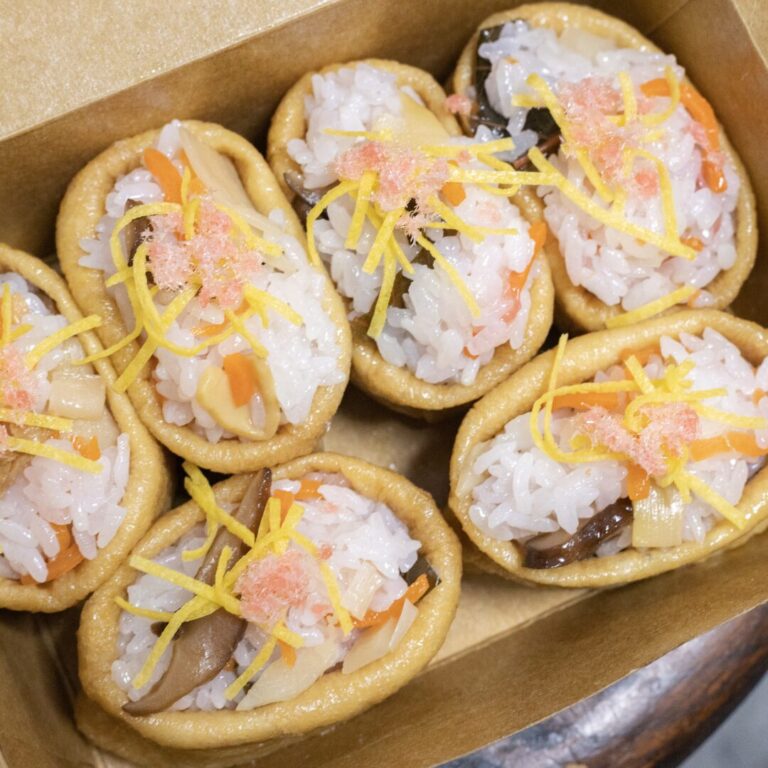
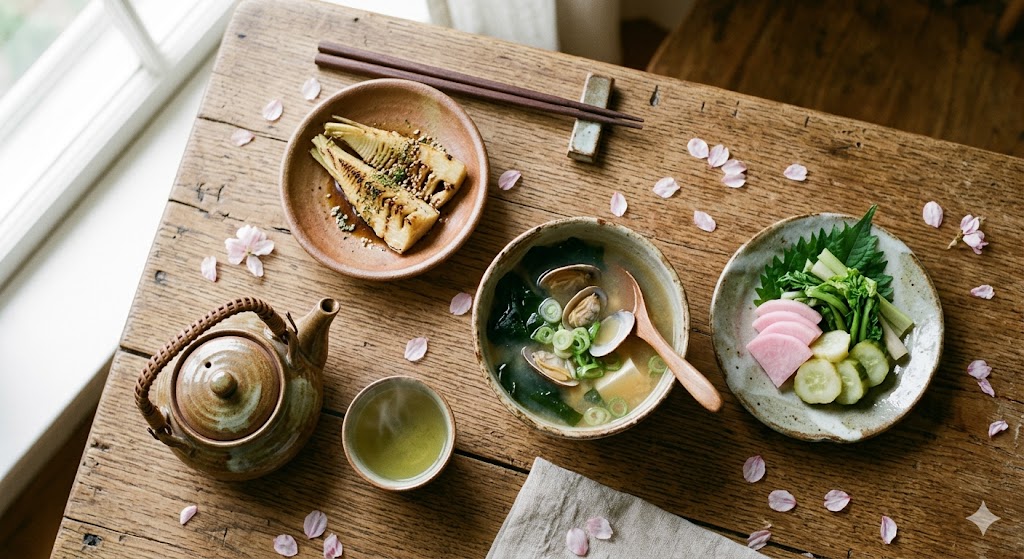
Fresh bamboo shoots appear in April and May, and they’re a completely different product from canned. Fresh takenoko are sweet, nutty, and tender. They need to be pre-boiled in rice bran water (nuka) to remove bitterness, then used in nimono (simmered dishes), rice, or tempura. If you’re near a Japanese market in spring, this is the ingredient to prioritize.
Sansai (Wild Mountain Vegetables)
Fiddlehead ferns, butterbur sprouts (fuki), and other foraged mountain vegetables define Japanese spring cooking. Their slightly bitter, mineral character is celebrated as the “taste of spring” — the Japanese actively seek this bitterness as a marker of seasonal eating, in contrast to Western preferences for sweetness.
Sakura (Cherry Blossom)
Beyond hanami (flower viewing), sakura flowers and leaves preserved in salt are used in wagashi, drinks, and rice. The flavor is delicate and slightly pickled — unmistakably spring, unmistakably Japanese.
Shincha (New Season Tea )
The first green
Summer (Natsu): Heat, Freshness, and Cooling Foods
Ayu (Sweetfish)
Freshwater sweetfish are at their prime in summer and are considered a delicacy across Japan. Salt-grilled whole over charcoal, the skin crisps beautifully while the flesh stays moist. The name “ayu” comes from the slightly sweet flavor of the fish. Difficult to find fresh outside Japan, but worth seeking out at specialty Japanese fish markets.
Edamame
Summer edamame — especially the premium dada-cha mame variety from Yamagata — bears little resemblance to the frozen product sold outside Japan. Fresh-picked and boiled within hours of harvest, the flavor is sweet, nutty, and milky in a way that frozen simply cannot replicate. The Japanese obsession with fresh edamame is completely warranted.
Hamo (Conger Eel)
A Kyoto summer specialty, hamo is eel that has been scored with hundreds of tiny cuts to break up the numerous fine bones. Briefly blanched in hot water (a technique called yubiki), it curls into flower shapes and is served with plum sauce. It’s one of those ingredients that showcases Japanese precision knife work as an integral part of cooking.
Iced Japanese Tea
Summer is cold brew season. Cold brew hojicha and cold brew genmaicha are staples of Japanese summer. Mugicha (roasted barley “tea,” technically not
Autumn (Aki): The Season of Abundance
Matsutake (Pine Mushrooms)
The most coveted Japanese mushroom and among the most expensive ingredients in the world. Matsutake grows only in specific pine forest conditions that have become increasingly rare, making each season’s harvest smaller and more celebrated. The spicy, aromatic flavor — like no other mushroom — defines autumn luxury in Japanese cuisine. Rice cooked with matsutake is a once-a-year ritual for those who can access them.
Saury (Sanma)
Pacific saury arrives in autumn, and salt-grilling whole fish with a squeeze of sudachi citrus and a pile of grated daikon is one of the most emblematic Japanese autumn meals. The fish is naturally oily in season, making the skin crisp over charcoal while the flesh stays rich. This is everyday autumn cooking at its finest.
Sweet Potato (Satsumaimo)
Japanese sweet potatoes are distinctly different from American varieties — denser, drier, and starchier with a chestnut-like sweetness that intensifies with slow cooking. Roasted whole in a wood or gas oven, they become soft and honey-sweet inside. Street vendors selling yaki-imo (roasted sweet potatoes) from mobile ovens are an autumn institution.
Shinburi Hojicha
Some
Winter (Fuyu): Warmth, Depth, and Preservation
Nabe (Hot Pot)
Japanese winter cooking centers on nabe — communal hot pots cooked at the table. Shabu-shabu (thin-sliced meat in kombu broth), sukiyaki (sweet soy-braised beef), chanko nabe (sumo wrestlers’ protein-heavy stew), and dozens of regional variations define Japanese winter eating. The shared pot, the gathered table, the constant warmth — it’s as cultural as it is culinary.
Fugu (Blowfish)
The famous potentially-toxic fish is a winter delicacy. Its toxin (tetrodotoxin) is concentrated in specific organs, and only licensed chefs can prepare and serve it. The flesh itself is mild and delicate, typically served as thin-sliced sashimi, fried, or in hot pot. The experience is as much about the ritual as the flavor.
Yuzu
The winter citrus. Yuzu’s aromatic zest is used in ponzu sauce, in hot baths (yuzu-yu, a solstice tradition), in sweets, in dressings, and in virtually every aspect of winter Japanese cooking. The flavor is distinct from lemon or lime — more floral, more complex, and specifically Japanese in character.
Applying Shun Thinking Outside Japan
You don’t need to be in Japan to cook with seasonal Japanese sensibility. The principle applies to whatever local ingredients are at their peak: tomatoes in August, squash in October, asparagus in May. The Japanese approach simply formalizes what most traditional food cultures understood: eating in sync with the seasons produces the best food with the least effort.
Frequently Asked Questions
What is the Japanese word for eating seasonally?
Shun (旬) refers to an ingredient’s peak season. Shun-no-mono means “seasonal dishes.” The concept is deeply embedded in Japanese food culture and language in ways that have no direct Western equivalent.
What is Japan’s most important seasonal food event?
The arrival of shincha (first flush green
Are Japanese seasonal ingredients available outside Japan?
Some yes, some no. Japanese short-grain rice, dried shiitake, kombu, miso, and many pantry ingredients are widely available internationally. Fresh matsutake, hamo, and certain regional specialties are essentially unavailable outside Japan except at a few specialty importers.
How does seasonal eating affect nutrition?
Peak-season ingredients generally contain higher concentrations of vitamins, phytonutrients, and flavor compounds than out-of-season produce. Fresh bamboo shoots, peak-season fish, and new-harvest