Japanese Noodle Guide: Soba, Udon, Ramen, and Somen Explained
Japan’s noodle culture is deep enough that people dedicate their lives to mastering a single style. Ramen alone has spawned regional sub-styles, dedicated museums, and the kind of obsessive attention more commonly seen in fine dining. But you don’t need to be an expert to appreciate what makes each noodle type distinct and how to work with them at home.
Soba (そば) — Buckwheat Noodles
Soba noodles contain buckwheat flour (soba-ko), typically blended with wheat flour in ratios from 40:60 to 100% buckwheat (juwari soba). Higher buckwheat percentage means more pronounced earthy, nutty flavor and more fragile noodles. Premium artisan soba (especially in Tokyo’s downtown soba culture) uses freshly milled buckwheat and is made to order.
Texture: Firm, with a slight chew and distinctive earthiness from buckwheat.
Classic preparations: Zaru soba (chilled with dipping sauce), soba in hot broth (kake soba), tanuki soba (with tempura bits), toshikoshi soba (New Year’s eve tradition).
Cooking at home: Boil in large amounts of unsalted water, 4–6 minutes. Rinse thoroughly under cold water — this removes the “nuka” (starchy surface residue) and firms the texture. For cold preparations, keep cold. The noodle water (sobayu) is traditionally drunk with leftover dipping sauce.
Regional variations: Nagano Prefecture is famous for soba (Shinshu soba); Morioka’s wanko soba; the delicate soba of Edo (Tokyo-style).
Udon (うどん) — Thick Wheat Noodles
Udon is the thickest of Japan’s major noodle types — wide, smooth, and made from wheat flour. The characteristic chewiness comes from the gluten development during kneading, which is traditionally done with the feet on the dough. Sanuki udon from Kagawa Prefecture defines the premium category: thick, firm, with a bounce and bite that other regions attempt to replicate.
Texture: Thick, chewy, smooth. The ideal udon has what the Japanese call “koshi” — spring and elasticity in the noodle.
Classic preparations: Kake udon (in hot broth), kitsune udon (with fried tofu), tempura udon, yaki udon (stir-fried), cold zarudodon (rarer than cold soba).
Cooking at home: Fresh or frozen udon cooks very quickly — 1–3 minutes in boiling water. Dried udon takes longer (8–12 minutes). The broth is typically dashi-based with soy sauce and mirin, gentler and sweeter than ramen broth.
Regional variations: Sanuki (Kagawa) — firm and thick; Ise udon (Mie) — very thick and soft, served with dark sweet soy; Kishimen (Nagoya) — flat ribbon-shaped.
Ramen (ラーメン) — Wheat Noodles in Broth
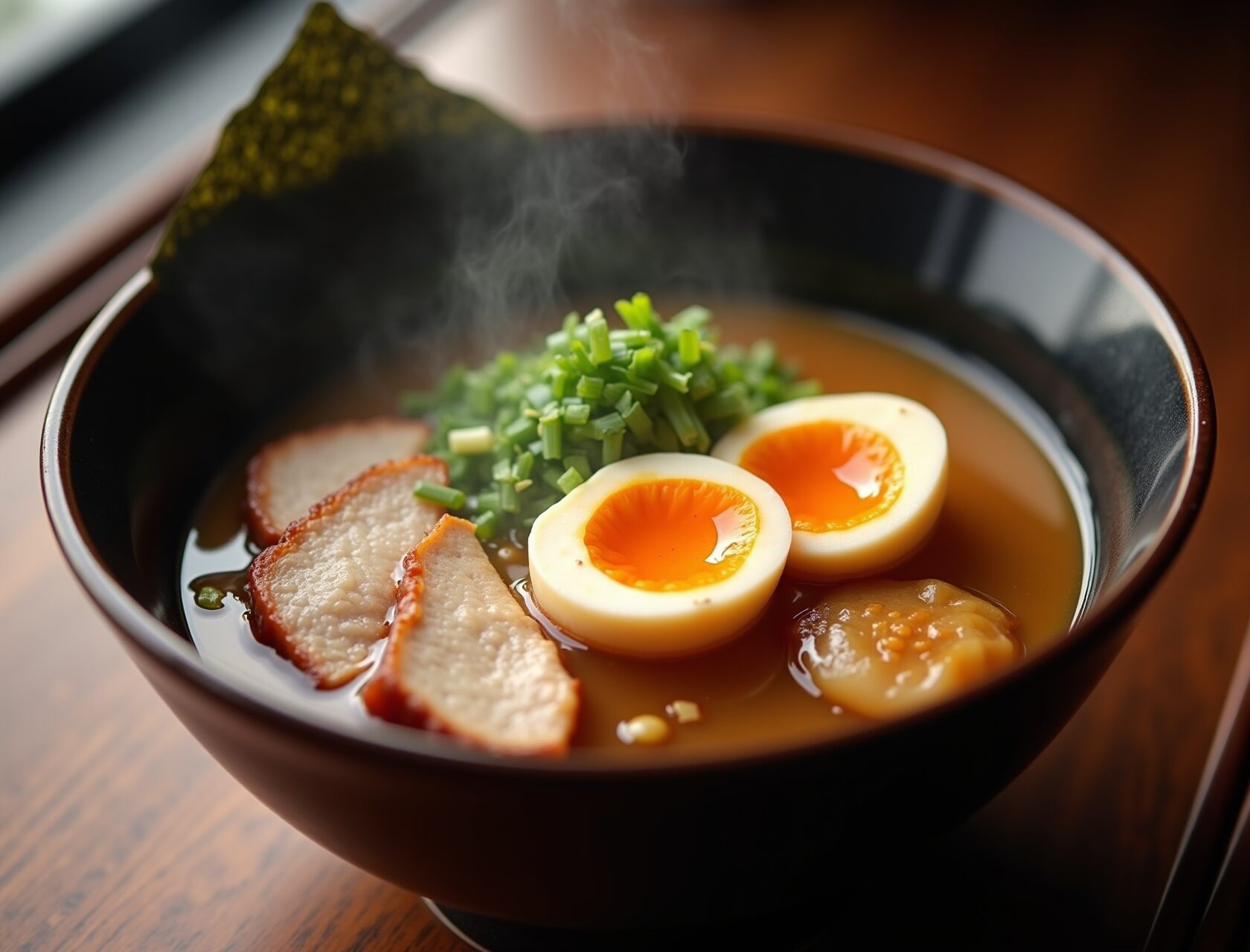
Ramen is technically a noodle type and a complete dish simultaneously. The noodles are wheat-based but made with kansui (alkaline water), which gives them their characteristic springiness, yellow hue, and distinctive smell. The broth is the centerpiece of ramen’s regional variation — four major styles define the modern landscape.
The four major broth styles:
- Shoyu (soy sauce): Tokyo-style, clear amber broth, typically chicken-based, with tare (seasoning concentrate) added. The foundational ramen style.
- Shio (salt): The lightest style, clear broth, often seafood-based. Hakodate in Hokkaido and some Kyushu regional styles.
- Miso: Sapporo-origin, thick and rich broth with fermented miso base. Robust, filling, particularly good in winter.
- Tonkotsu (pork bone): Fukuoka/Hakata-origin, opaque milky broth produced by long simmering of pork bones. Rich, fatty, deeply flavored.
Cooking at home: Quality ramen at home requires either making broth from scratch (hours of effort) or using quality instant bases. Noodles cook quickly — 2–3 minutes for fresh, longer for dried. The noodle should be added to boiling water and drained separately before adding to broth.
Somen (そうめん) — Thin Summer Noodles
Somen are extremely thin wheat noodles — even thinner than angel hair pasta. They’re dried by stretching, then cut, and cook in 1–2 minutes. The tradition of nagashi somen (noodles floated down a bamboo water chute and caught with chopsticks) is a summer festival activity that embodies Japan’s seasonal food culture.
Texture: Very thin, light, silky. Less chewy than udon, completely different from soba.
Classic preparation: Almost always served cold in summer, with a cold dipping sauce (mentsuyu) made from dashi, soy sauce, and mirin. Toppings include thinly sliced ginger, green onion, and sesame seeds.
Note: Hiyamugi is slightly thicker than somen but thinner than udon — similar preparations apply.
Hiyashi Chuka — Cold Ramen in Summer
Cold ramen (hiyashi chuka) appears on menus across Japan in summer and is one of the seasonal markers Japanese people genuinely look forward to. Ramen noodles served cold with a sesame or soy-based dressing, topped with julienned cucumbers, ham, tamago, and other colorful ingredients. Restaurant signs announcing “hiyashi chuka hajimemashita” (cold ramen has begun) are a cultural institution signaling summer’s arrival.
Cooking Noodles Well: Universal Tips
- Use plenty of boiling water — at least 2 liters per 100g of noodles.
- Do not add salt to the water (unlike pasta) — Japanese noodles don’t require it and salt can affect texture.
- Rinse cold noodles under cold running water after cooking — this removes starch and firms the texture. Required for soba and cold preparations; optional for udon in hot preparations.
- Serve immediately — noodles continue to absorb liquid and soften quickly after cooking.
Frequently Asked Questions
What’s the difference between soba and udon?
Soba is made from buckwheat flour (sometimes mixed with wheat) and is thin, earthy, and slightly nutty. Udon is made from wheat flour only and is thick, white, and chewy. They’re served in similar broth preparations but have completely different textures and flavors.
Is ramen actually Japanese?
Ramen’s origins are debated — the noodle type came from Chinese immigrants to Japan, but the dish as it exists today (regional broth styles, specific toppings, the whole culture around it) is distinctly Japanese. It’s been fully absorbed into Japanese cuisine for over a century.
Can I make udon at home?
Yes — udon dough is simple (flour, water, salt) but requires significant kneading to develop the gluten that creates the signature chew. The traditional method of kneading with your feet inside a plastic bag is genuinely the most effective approach for home cooking.
What’s the best tea to drink with noodles?
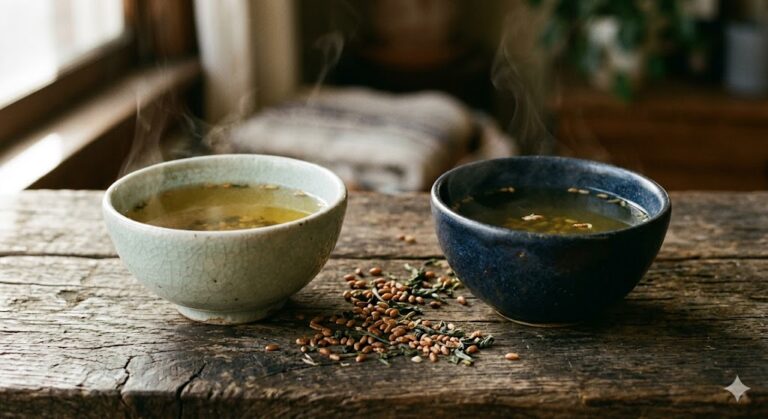
Genmaicha is the natural companion to noodle dishes — its toasty grain character bridges beautifully with both soba and udon. Hojicha works well with ramen, especially tonkotsu, where the roasted character complements the rich broth.