Japanese Citrus Guide: Yuzu, Sudachi, Kabosu, and More Explained
Japanese citrus occupies its own flavor universe. These fruits aren’t interchangeable with lemons, limes, or grapefruits despite family resemblance — they have aromatics that are distinctly, specifically Japanese, and they appear in contexts ranging from miso soup to cocktails to hot baths at the winter solstice. Understanding them individually opens up a whole dimension of Japanese cooking.
Yuzu (柚子)
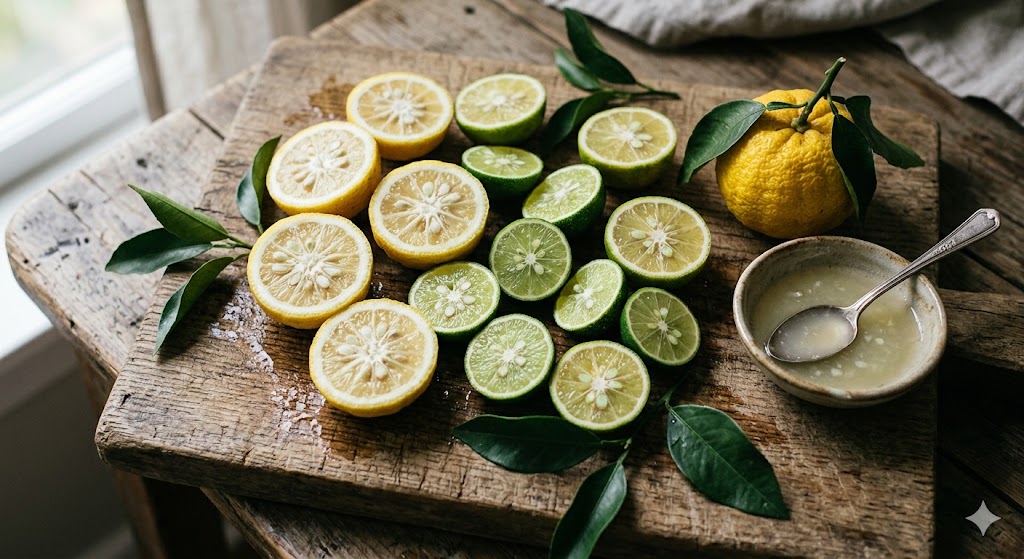
Yuzu is the best known Japanese citrus internationally, and that recognition is deserved. Its fragrance is extraordinary — a complex blend of lemon, grapefruit, and mandarin with floral notes and something green and almost pine-like underneath. The taste alone doesn’t capture what makes yuzu special; the aroma is the point.
Yuzu trees are notoriously slow to produce fruit — the old Japanese saying is that a tree grown from seed takes 18 years to bear fruit (grafted trees are faster). Yuzu is also significantly more cold-hardy than most citrus, which is why it survives in Japanese mountain climates where other citrus cannot.
Culinary uses:
- Yuzu kosho: A paste of green (or red) yuzu peel and chili peppers, fermented briefly with salt. One of the most versatile Japanese condiments — extraordinary on grilled chicken, yakitori, noodles, and sashimi.
- Ponzu sauce: Citrus-based sauce combining yuzu (or other Japanese citrus) juice with dashi, soy sauce, and mirin. Used for hotpot dipping, grilled meat, and fish.
- Yuzu miso: White miso combined with yuzu peel and juice. Excellent as a condiment for tofu and vegetables.
- Yuzu-buro: Whole yuzu fruits (sometimes halved) placed in the bath on Toji (winter solstice) — a tradition said to prevent illness and warm the body.
- Yuzu marmalade, tart, and curd: The fruit is acidic enough and aromatic enough for classic Western citrus applications.
The peel is used most, the juice less so — the fragrance is in the peel oil. When recipes call for yuzu, they often mean yuzu zest specifically.
Sudachi (酢橘)
Sudachi is small, green, and intensely sour — used like a lime but tasting nothing like a lime. It’s produced almost exclusively in Tokushima Prefecture on Shikoku and is synonymous with the region’s cuisine. The citrus is never sweet; it’s always used as a sour acidic accent.
The aroma is more subtle than yuzu — cleaner, greener, slightly floral — and the flavor is brightly acidic without the bitterness of lime.
Classic uses: The defining garnish for grilled whole saury (sanma) in autumn — you squeeze sudachi over the fish as you eat it. Also squeezed over soba, grilled mushrooms, and any dish that needs a bright acid note without overwhelming fragrance.
Sudachi is typically eaten while still green; letting it ripen to yellow changes the flavor toward something closer to other citrus and it’s no longer considered premium sudachi.
Kabosu (カボス)
Kabosu is similar to sudachi but larger (golf ball to small apple size) and produced in Oita Prefecture in Kyushu. It has more juice per fruit and is used similarly as a souring agent in cooking and as a garnish for grilled fish and hot pot.
Kabosu is used both green (sour, aromatic) and yellow (milder, less acidic). The flavor is lighter and less intensely fragrant than sudachi. Outside Japan, kabosu is even rarer than sudachi.
Shikwasa (シークワーサー)
Okinawa’s answer to the Japanese mainland’s sudachi and kabosu. Small, intensely sour, and produced almost exclusively in northern Okinawa (Nago region). Shikwasa is distinctly tropical in aromatic character — brighter and more floral than mainland Japanese citrus.
Increasingly popular as a health ingredient — shikwasa has been studied for its nobiletin content, a flavonoid potentially associated with cognitive function and metabolic health. Fresh shikwasa juice is a common bar ingredient in Okinawa; shikwasa-flavored awamori (Okinawan spirit) is produced commercially.
Daidai (橙)
A bitter orange used primarily for its aromatic rind. Daidai appear at New Year as decorative elements in Japanese homes (the name means “generation to generation” making it auspicious). The juice is intensely bitter and sour — it’s used in ponzu and occasionally in marmalade, but rarely eaten fresh.
Kabayaki Citrus and Regional Varieties
Japan has dozens of additional regional citrus varieties — kiyomi, ponkan, iyokan, setoka — most of which are sweet eating oranges rather than the souring agents described above. These are seasonal eating fruits that appear at specific times of year in markets and are rarely encountered outside Japan.
Substitutes When You Can’t Find Japanese Citrus
Unavoidable if you’re cooking Japanese outside Japan:
- Yuzu substitute: A combination of lemon zest + grapefruit zest captures some of the complexity. Yuzu juice is increasingly available bottled in specialty stores and online.
- Sudachi substitute: Fresh lime gets you partway there — use sparingly and add a bit of lemon zest to the preparation. The flavor won’t be the same but the acid function is similar.
- Bottled options: Bottled yuzu juice, yuzu kosho paste, and ponzu sauce (which contains yuzu) are widely exported and are the most practical way to access Japanese citrus flavor internationally.
Pairing Japanese Citrus with Tea
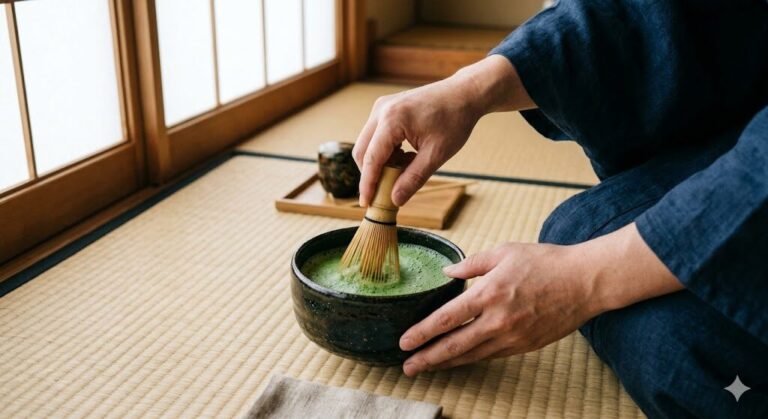
A slice of yuzu or sudachi floating in hot hojicha is a beautiful winter drink — the roasted
Frequently Asked Questions
Is yuzu available outside Japan?
Fresh yuzu is rarely available outside Japan and East Asia. Bottled yuzu juice, yuzu kosho paste, and dried yuzu peel are more accessible through Japanese grocery stores and online retailers. Some citrus producers in California and Europe have started growing yuzu trees, making fresh yuzu slowly more available.
What does yuzu taste like?
The flavor is tart, aromatic, and complex — often described as a cross between lemon, grapefruit, and mandarin with a distinctive floral, slightly herbal note. The fragrance is more distinctive than the taste alone.
Can I grow yuzu outside Japan?
Yes — yuzu is more cold-hardy than most citrus and can be grown in USDA zones 8–10 in the US. It does best in well-drained soil with full sun. The tree takes several years to produce fruit and is often grown in containers in cooler regions that can be brought indoors for winter.
What’s the difference between yuzu and lemon?
They’re both tart and aromatic, but yuzu’s aroma is significantly more complex — floral, slightly herbal, with grapefruit and mandarin notes that lemon lacks. The flavor profile is distinct enough that substituting lemon for yuzu produces noticeably different results.