Summer Iced Japanese Tea Guide: Hojicha, Bancha, Genmaicha, and More
Summer Iced Japanese Tea Guide: Hojicha, Bancha, Genmaicha, and More
Japan has a sophisticated culture of cold
I have been brewing iced Japanese
- Mizudashi (cold brewing) is the gold-standard method for most Japanese iced teas — gentler extraction, sweeter, less bitter
- Hojicha and genmaicha make exceptional iced teas — their roasted notes hold up well to cold
- Iced gyokuro cold brew is a luxury experience worth trying once
- Flash-chill method (strong hot brew + ice) works well for quick iced sencha
- Bancha is the ultimate budget summer iced
tea — cheap, refreshing, pairs with everything
The Two Methods: Cold Brew vs. Flash Chill
Before choosing which
Mizudashi (cold brew): Add
Flash chill: Brew a concentrated hot
You can also do a hybrid approach: hot brew at normal strength, cool to room temperature, then refrigerate over ice. This gives a middle ground between the two methods.
Iced Hojicha: The Crowd Pleaser
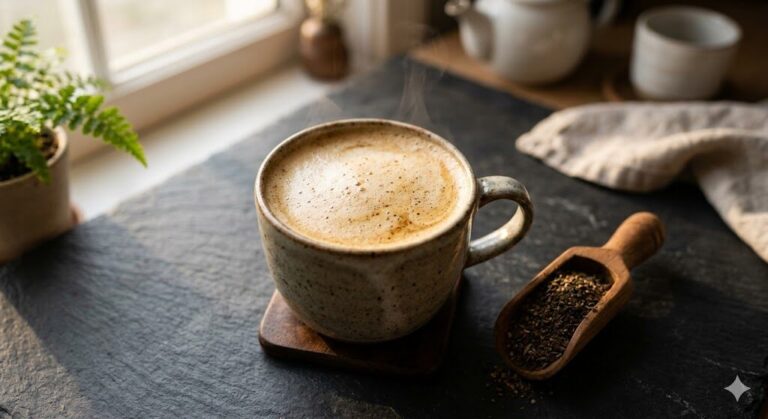
Hojicha might be the single best Japanese
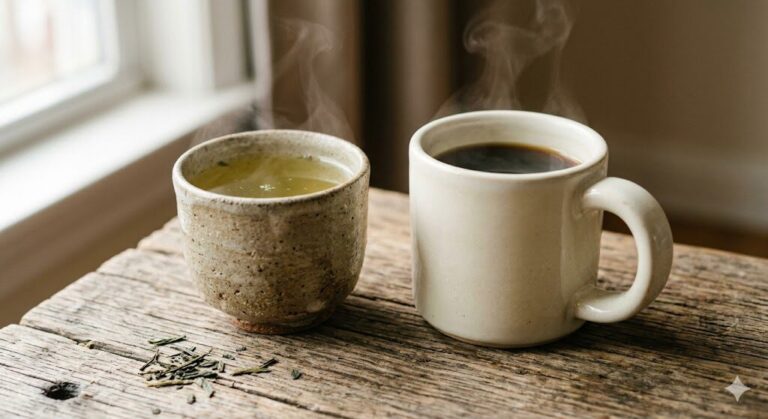
Cold brew method: 10–15g hojicha leaves or stems per 1 liter cold water. Steep in refrigerator 8–12 hours. The result is a clear, amber-brown
Flash chill method: Brew 15g hojicha in 300ml water at 90°C for 1 minute. Pour immediately over 300–400g of ice. This produces a slightly more aromatic cup that captures the toasty notes better. Good for serving immediately.
Iced hojicha pairs beautifully with Japanese summer foods: nagashi somen (flowing noodles), chilled tofu, cold noodle dishes, and kakigori (shaved ice). It also makes an excellent non-alcoholic alternative at meals where you might otherwise serve iced water or a light beer.
Iced Genmaicha: Toasty, Nutty, Refreshing
Genmaicha — the blend of green
The popped rice in genmaicha contributes a light, almost popcorn-like sweetness to cold brews. The combination of green
Flash chill method: Brew 10g genmaicha in 200ml water at 85°C for 1 minute. Pour over 200–300g ice. The pop of the rice character comes through best with this method.
Cold brew method: 10g per 700ml cold water, 3–5 hours. Slightly more muted but longer-lasting in the fridge.
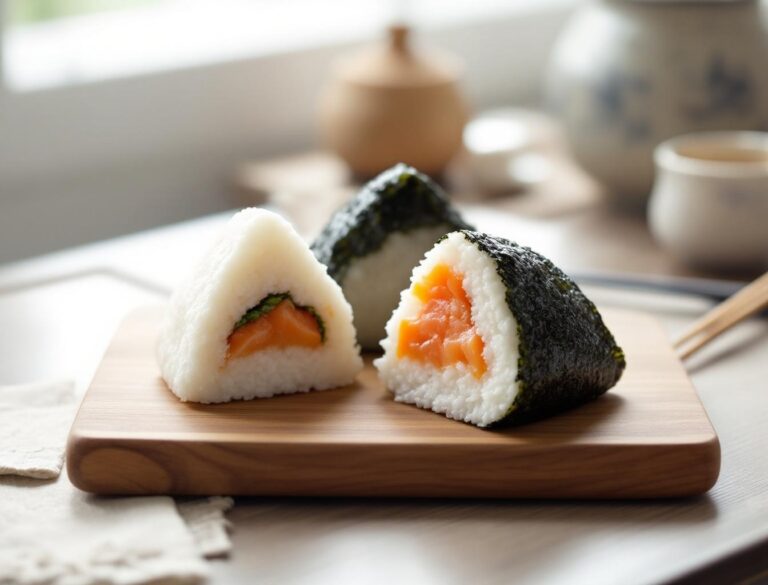
Iced genmaicha is a natural companion to onigiri, light Japanese lunches, and any meal where you want something low in caffeine that is not just water. Explore our genmaicha selection for summer cold brew.
Iced Sencha: Clean and Green
Iced sencha done well is one of the most refreshing experiences in Japanese food. The key is preventing the bitterness that can make hot-brewed sencha taste harsh cold.
Cold brew method (recommended): 8–10g sencha per 1 liter cold water. Steep 2–6 hours in refrigerator. The selective cold extraction removes most bitterness, leaving a bright, green, refreshing brew. Premium first-flush sencha cold-brewed is genuinely exceptional — floral, fresh, and sweet with natural cucumber-like vegetal notes.
Flash chill method: Use less leaf (5–6g per 200ml) and a shorter steep (45 seconds at 70°C) to prevent bitter extraction, then pour over ice immediately. Adjust strength to taste. For quality sencha, the cold brew method is safer and often better.
Iced Bancha: The Everyday Summer Tea
In Japan, bancha iced
Brew a large batch (20g per 2 liters, hot at 90°C, 3–4 minutes), cool completely, refrigerate. This is the Japanese equivalent of keeping a pitcher of iced
Iced Gyokuro: A Special Occasion
Cold-brewed gyokuro is one of the more extraordinary experiences in the
Method: 15g gyokuro per 200ml cold water (2–4°C from the refrigerator). Let steep in the refrigerator for 6 to 8 hours. The resulting brew is thick, deeply savory-sweet, and stunning in small quantities. Serve in tiny cups — this is not a large-volume drink. A 200ml brew produces about 3 small servings of something genuinely unlike anything else you will drink this summer.
This method uses more leaf than usual, making it expensive. Treat it as a special occasion drink, not an everyday option.
Iced Kabusecha: Umami in a Glass
Kabusecha cold brew offers a middle path between the accessibility of sencha and the intensity of gyokuro cold brew. The partial shading gives it enough theanine for good sweetness and umami, but at more approachable prices than full gyokuro.
Use the same cold brew parameters as sencha (8–10g per liter, 2–6 hours) for a noticeably sweeter, more complex iced
Practical Tips for Summer Iced Tea
Use good water. The flavor of cold-brewed
Keep cold-brewed teas sealed in the refrigerator and consume within 48 hours (2 days). Green teas especially oxidize more quickly as a brewed liquid.
For serving over ice at parties or meals, brew double strength and dilute over ice at serving — this maintains the right concentration as the ice melts.
Consider adding a small piece of kombu to your cold brew — particularly for bancha or genmaicha. The cold-extracted kombu adds a background umami note that deepens the flavor in a subtle, surprising way.
Frequently Asked Questions
How long does cold-brewed Japanese tea last in the refrigerator?
Up to 48 hours (2 days) for most green teas. Hojicha and bancha are slightly more stable — closer to 3 to 4 days — because their lower chlorophyll content means less susceptibility to certain degradation reactions. Keep all brewed teas sealed and away from strong-smelling foods.
Is cold brew or flash chill better for iced tea ?
Depends on the
Can I make iced matcha?
Yes, though matcha is not technically cold-brewed since you consume the powder directly. Whisk 2g matcha with 30ml warm water (70°C) to form a paste, then pour over ice and add 120–150ml cold water or cold milk. This method avoids clumping and gives better flavor than whisking cold ingredients directly together. Iced matcha lattes with oat or almond milk are extremely popular and genuinely good.
What is the best tea to make in bulk for a summer party?
Hojicha or genmaicha, cold-brewed in a large jar or pitcher. Both are crowd-pleasing, low-caffeine enough for all guests including those sensitive to caffeine, familiar enough not to require explanation, and better cold than many foreign guests expect from Japanese