Japanese Tea Gift Sets: The Ultimate Gift Guide for Tea Lovers
Japanese Tea Gift Sets: The Ultimate Gift Guide for Tea Lovers
Japanese
This guide covers how to build the perfect Japanese
Why Japanese Tea Makes an Exceptional Gift
The gifting case for Japanese
- Universally accessible entry point: Hojicha tastes like roasted caramel and hazelnut — immediately familiar to anyone who drinks coffee or chai. No acquired taste required.
- Genuine cultural depth: Japanese
tea has centuries of history and regional specificity. Giving Yame hojicha from Fukuoka or kabusecha from Uji tells a story that a generictea assortment doesn’t. - Functional and beautiful: Glass Hario teapots are objectively beautiful objects. They sit on a kitchen counter as a visual statement, not hidden in a cabinet.
- Sustainable and low-waste: Loose leaf
tea and glass teapots produce no packaging waste per use — an increasingly valued quality in gifts. - Appropriate for virtually any recipient:
Tea is non-alcoholic, non-dietary-restrictive in most cases, suitable for all ages, and culturally inclusive.
The Starter Kit: Best for Tea Beginners
For someone who hasn’t explored Japanese
What to include:
- Yame Hojicha (50g) — The most beginner-friendly Japanese
tea - Hario ChaCha Maru 450ml teapot — The right vessel for the experience
- A printed brewing card (temperature, ratio, steep time)
This combination works because hojicha brews at near-boiling temperature — no thermometer or guesswork required. The glass teapot makes the brewing process visible and satisfying. And the Yame hojicha has enough quality and complexity to justify the premium vessel while being immediately approachable.
The 50g of hojicha provides approximately 10–15 brewing sessions at standard ratios, giving the recipient enough material to develop genuine familiarity with the
Shop Yame Hojicha | Shop Hario ChaCha Maru Teapot
The Japanese Tea Explorer Set: Best for Curious Tea Drinkers
For someone who already drinks
What to include:
- Yame Hojicha (25–30g) — Roasted, low-caffeine, deeply satisfying
- Genmaicha (25–30g) —
Tea with roasted rice; toasty, familiar, excellent with meals - Kabusecha or Sencha (25–30g) — The green
tea spectrum: fresh, grassy, complex - Hario ChaCha Maru 700ml teapot — For sharing, or for generous solo servings
- A brief tasting guide: flavor notes and brewing parameters for each
tea
This set tells a story about the range of Japanese
Shop Genmaicha | Shop Kabusecha
The Cold Brew Tea Kit: Best for Summer and Warm-Climate Gifting
Cold-brewed Japanese
What to include:
- Hario Filter-in Bottle (650ml or 1000ml) — The purpose-built cold brew vessel
- Yame Hojicha (50g) — Cold-brewed hojicha is the most approachable starting point
- Kabusecha (30g) — Cold-brewed shaded
tea demonstrates the method at its best - A cold brew guide: ratios, times, serving suggestions
The Hario Filter-in Bottle is attractive enough to leave on the counter or in the refrigerator door — it looks intentional, not like a repurposed jar. For recipients who are health-conscious about caffeine, the cold-brewed hojicha angle (very low caffeine, delicious at any time of day) is particularly compelling to highlight.
The Japanese Tea and Kitchenware Set: Best for Food-Oriented Recipients
For someone who loves Japanese cooking and kitchen aesthetics, pairing
What to include:
- Yame Hojicha (50g) or a
tea assortment - Hario ChaCha Maru teapot
- A small hinoki cutting board — beautiful, aromatic, functional
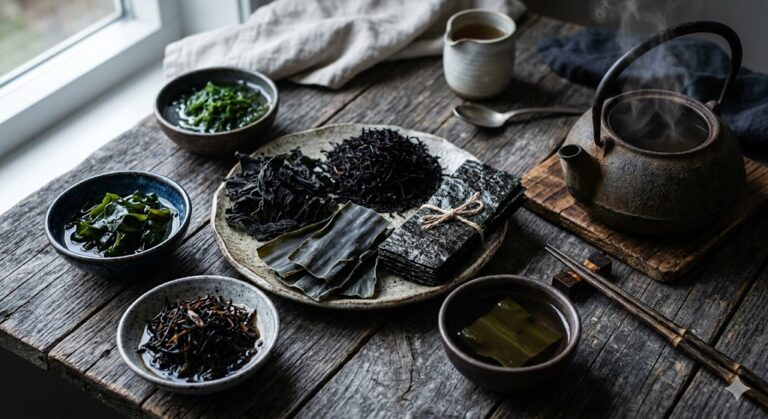
- Premium nori sheets (for making onigiri or hand rolls) — an excellent pairing with
tea
This combination reflects a coherent point of view about Japanese kitchen culture: beautiful natural materials, careful sourcing, and the pleasure of using well-made things for everyday tasks. The hinoki board and the glass teapot together tell a story about Japanese aesthetics — wabi-sabi principles applied to practical objects.
Shop Hinoki Cutting Board | Shop Roasted Nori
Gift Set Comparison by Budget and Recipient
| Budget | Best Recipient | Core Components |
|---|---|---|
| $25–$40 | Tea-curious beginner | Yame Hojicha (50g) + brewing guide card |
| $50–$75 | Regular | Hojicha + Genmaicha assortment + ChaCha Maru 450ml |
| $75–$100 | Serious | 3-tea assortment + ChaCha Maru 700ml + brewing guide |
| $100+ | Food and kitchen lover | Tea assortment + teapot + hinoki board + nori |
| Summer / warm climate | Health-conscious recipient | Filter-in Bottle + Hojicha + Kabusecha cold brew kit |
Seasonal Gifting Angles
Japanese
Holiday / Winter (November–January): Lead with hojicha and genmaicha — both have warm, toasty profiles that feel appropriate in cold weather. The visual warmth of amber-colored hojicha brewing in a glass teapot makes this angle self-evident. Frame around “warming up with a ritual” and “a break from the chaos of the season.”
New Year / January: Japanese New Year (Oshogatsu) centers on
Spring / Mother’s Day: Shaded teas like kabusecha and gyokuro are harvested in spring — their seasonality makes them natural spring gifts. The delicate, sweet character of a kabusecha aligns well with “treat yourself” gifting occasions.
Summer: Cold brew kits. The Hario Filter-in Bottle with cold brew hojicha or kabusecha is a genuinely practical summer gift that most recipients won’t have thought to buy for themselves.
Fall: The transition to warming drinks. Hojicha and genmaicha — both on the warmer, more roasted end of the Japanese
Presentation and Packaging Tips
The experience of receiving a Japanese
- Japanese
tea tins: Storetea in airtight, opaque tins rather than see-through bags. The tin is part of the gift and continues to be useful for storage afterward. - Handwritten brewing notes: A single card with brewing parameters (temperature, ratio, time) for each
tea in the set is more useful than a generaltea guide, and more personal than a printed pamphlet. - Minimal packaging: Let the quality of the items speak. Japanese aesthetic principles favor simplicity over elaborate wrapping — a clean box, tissue paper, and a handwritten note is more aligned with the gift’s spirit than elaborate ribbons.
Frequently Asked Questions
What Japanese tea is best for someone who doesn’t like tea ?
Start with hojicha. It tastes primarily of roasted caramel and hazelnut — more similar to a mild coffee or hot chocolate than to the grassy green
Is loose leaf Japanese tea hard to brew?
Hojicha brews with near-boiling water and a 30–45 second steep — about as simple as making instant coffee. Other Japanese teas require lower water temperatures, but a variable-temperature kettle (or a regular kettle with a few minutes’ cooling time) handles this easily. The learning curve is genuinely shallow, and a brewing guide card included with the gift addresses any uncertainty.
How long does Japanese loose leaf tea last as a gift?
Unopened Japanese green
Can I include teaware and tea together in a gift set?
Absolutely — and it’s often the most appreciated format. A teapot without
Where can I buy Japanese tea gift sets?
Shop our curated Japanese