Matcha Alternatives for Lattes: Hojicha, Genmaicha, Kabusecha, and More
Matcha lattes are everywhere, and for good reason — that distinctive green color photographs beautifully and the flavor works wonderfully with milk. But matcha is not the only Japanese
This is a practical guide to the best Japanese
- Hojicha latte is the best all-around matcha alternative — earthy, caramel notes pair beautifully with milk
- Genmaicha latte works surprisingly well, especially with oat milk — the nutty rice and oat combination is exceptional
- Kabusecha powder makes a pale green, umami-forward latte with a more complex flavor than standard matcha
- All of these work hot, iced, and with non-dairy milks
- Lower caffeine options: hojicha and genmaicha are the most suitable for afternoons or evenings
Why Look Beyond Matcha?
Matcha’s market success has had some downsides. Cheap ceremonial-grade matcha exists in every chain coffee shop, and the powder available in most of these venues is nowhere near what genuine Japanese matcha should taste like. The result is a matcha latte culture built around substandard product — bitter, grassy, one-dimensional.
Matcha is genuinely expensive when made correctly. Quality ceremonial-grade matcha from Uji or Yame costs $30 to $80 per 30g tin. A daily matcha latte adds up quickly. If you’re curious about how different teas compare in terms of catechin content in tea, you might find some alternatives offer similar health benefits at a lower price point.
The alternatives here are often easier to source in good quality, less expensive, and in some cases more suitable for latte preparations — their flavors integrate differently with milk and offer distinct profiles worth knowing.
Hojicha Latte: The Top Alternative
Hojicha powder — ground roasted green
The flavor profile is naturally milk-friendly in a way that raw green
Basic hojicha latte recipe:
Mix 2–3g hojicha powder with 30ml hot water (80–85°C) to form a paste. Steam or heat 180–200ml milk (dairy, oat, or almond all work well) and pour over the paste. Sweeten to taste — a half teaspoon of honey or maple syrup works well, though quality hojicha powder has enough natural sweetness to drink unsweetened.
Iced version: Form the paste with hot water, pour over ice, add cold milk. The paste step is important — mixing powder directly with cold milk produces clumps. Explore our hojicha powder for latte-making.
Genmaicha Latte: Unexpected and Excellent
Genmaicha latte is underexplored and worth trying. The combination of green
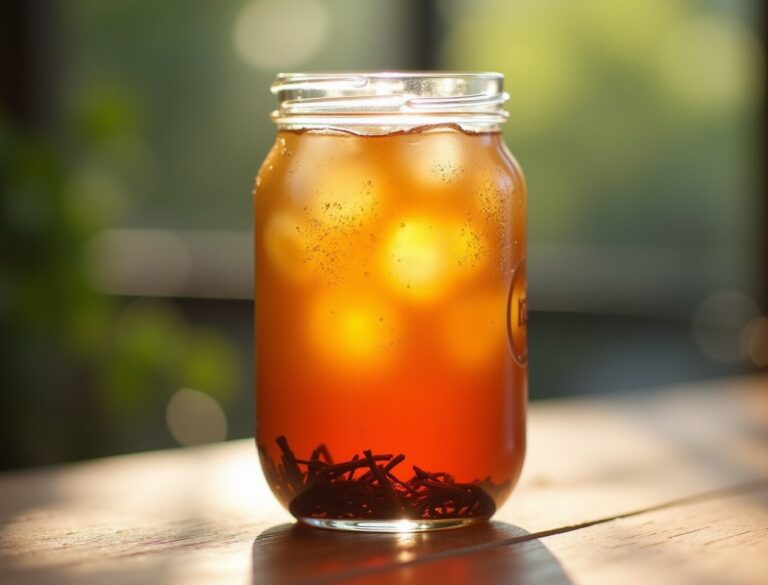
Making genmaicha into a latte requires a different approach than matcha or hojicha powder, since genmaicha comes as loose leaf/grain blend rather than powder. The best method is to make a very strong concentrated brew:
Genmaicha concentrate method:
Brew 8g genmaicha in 100ml water at 85°C for 3–4 minutes (much longer and stronger than normal). Strain thoroughly. Pour the concentrated brew over ice or into steamed milk at a roughly 1:2 ratio (one part concentrate, two parts milk). The result has good genmaicha flavor despite the dilution. Add honey if desired.
Alternatively, some specialty companies now produce genmaicha powder specifically for latte use — if you can find this, it simplifies the process considerably.
Kabusecha Latte: The Umami Option
Kabusecha powder (ground kabusecha) is less widely available than matcha or hojicha powder, but worth seeking out if you want a green latte with more complexity than standard matcha. The partial shading of kabusecha means it has intermediate theanine and amino acid content between sencha and gyokuro — producing a distinctly umami-forward green powder.
Kabusecha latte is pale green, somewhat similar in appearance to matcha latte. The flavor is more savory and less grassy than cheap matcha, with a pleasant sweetness. It pairs well with dairy milk and is particularly good as a cold latte.
If you have access to gyokuro powder (which occasionally appears from specialty producers), the same approach applies — even more intense umami and sweetness, best with dairy rather than non-dairy milks that might overpower its delicacy.
Bancha Latte: The Simple Option
Bancha is not glamorous, but it is cheap and available everywhere. Strong-brewed bancha with steamed milk produces a mild, slightly earthy latte that is low in caffeine and very approachable. Not the most exciting of the options here, but useful if you want something quick, inexpensive, and calming.
Brew 8g bancha in 100ml water at 90°C for 3 minutes. Strain, add hot milk. A dash of cinnamon or vanilla can elevate this considerably — bancha’s mildness means it accepts additional flavors gracefully.
Choosing Your Milk for Japanese Tea Lattes
Milk choice affects the flavor of all Japanese
Full-fat dairy milk: The classic choice. Its fat content carries and amplifies flavors. Best for hojicha (the fat enhances caramel notes) and kabusecha (balances the savory quality).
Oat milk: The best non-dairy option for most Japanese
Almond milk: Works well with hojicha specifically — the nuttiness of almonds reinforces the nutty notes in roasted
Soy milk: Naturally compatible with Japanese
Coconut milk: Too assertive for most Japanese
Sweeteners and Flavor Additions
Japanese
- Honey: excellent with hojicha, genmaicha, and bancha lattes
- Maple syrup: works particularly well with hojicha — the two toasted, caramelized flavors reinforce each other
- Condensed milk: traditional in some Southeast Asian milk
tea preparations; rich and effective but adds significant sugar - Monkfruit or erythritol: for lower-sugar versions; erythritol has a clean sweetness that does not interfere with
tea flavors
Caffeine Comparison
For those choosing their latte based on caffeine needs:
- Matcha latte: highest caffeine — 50–70mg per serving (you consume the whole leaf)
- Kabusecha latte: moderate-high — comparable to or slightly less than matcha
- Genmaicha latte (from concentrate): moderate — roughly 30–50mg depending on brew strength
- Hojicha latte: low — 7–15mg per serving (roasting reduces caffeine)
- Bancha latte: low — 10–25mg per serving
Frequently Asked Questions
Can I use loose leaf tea to make lattes without powder?
Yes, using the concentrate method: brew very strong (3–4x normal leaf ratio, 3–4 minutes), strain very thoroughly, then combine with milk. This works for hojicha, genmaicha, and bancha particularly well. Sencha and gyokuro are harder to concentrate adequately through normal brewing for a latte application — their flavors can become harsh at over-extraction. For these, look for powdered versions if available.
Is hojicha latte caffeinated?
Yes, but at a low level. Hojicha typically contains 10–30mg of caffeine per standard latte serving — significantly less than coffee (95–150mg) or matcha (50–70mg). It is suitable for afternoon and even early evening consumption for most caffeine-tolerant adults, though individual sensitivity varies.
What is the difference between hojicha powder and matcha?
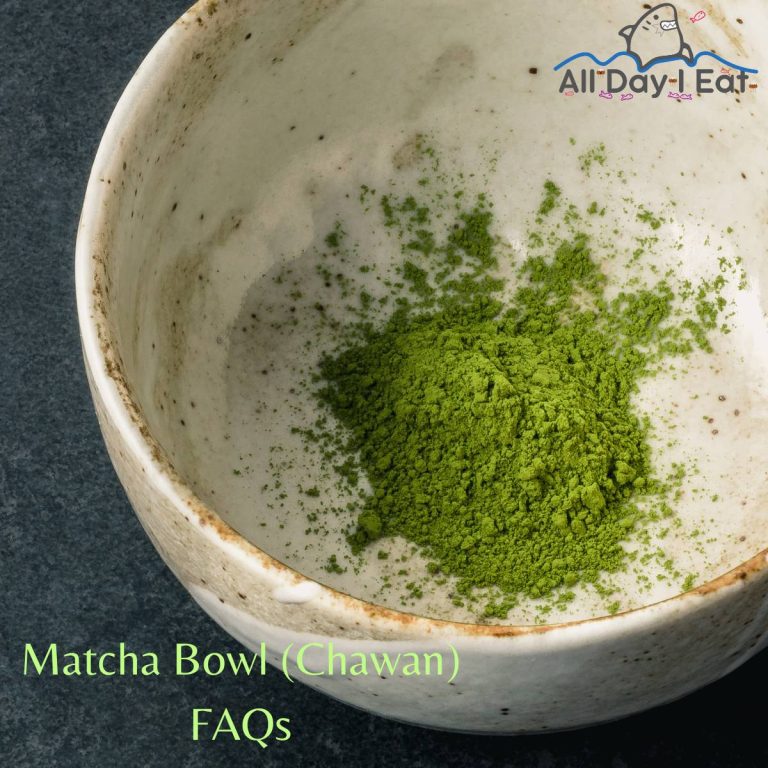
Both are finely ground Japanese teas, but they are made from completely different plants and processes. Matcha is stone-ground shade-grown tencha — raw green
Which alternative is best for someone who does not like matcha?
Hojicha latte without question. It is the furthest from matcha’s grassy, raw green