Best Japanese Tea for Beginners: Start Here
Best Japanese Tea for Beginners: Start Here
Japanese
Why Start With Japanese Tea Instead of Other Tea Types
Japanese green teas are worth learning for a few specific reasons:
- Low caffeine compared to coffee: Most everyday Japanese teas (bancha, hojicha, genmaicha) contain 7–25mg caffeine per cup versus 80–100mg in coffee. You can drink more freely throughout the day.
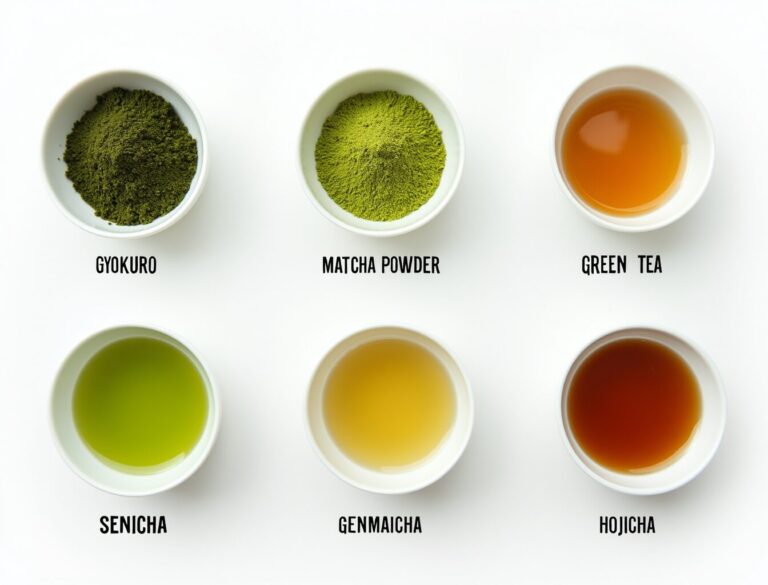
- Real flavor diversity in one tradition: From the roasted warmth of hojicha to the intense sweetness of gyokuro, Japanese teas span a wider range of flavor than most
tea traditions offer. - Short steep times: Japanese green teas steep in 30–60 seconds. No forgetting about it for 5 minutes and finding it bitter.
- No sugar needed: Quality Japanese teas are naturally sweet and satisfying without adding anything.
The Three Best Starting Teas
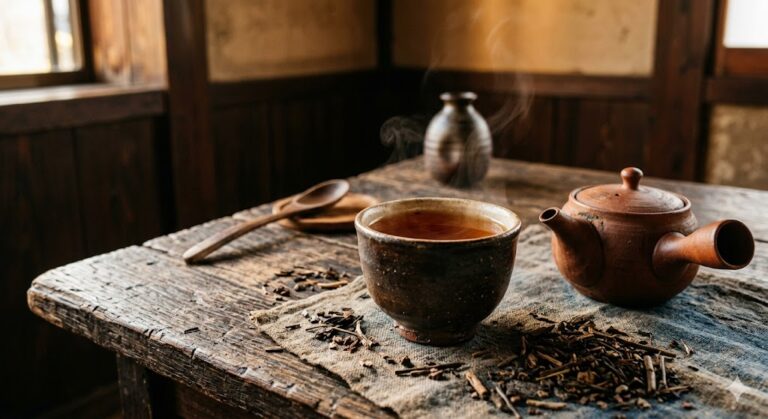
1. Hojicha (Start Here If You’re New to Green Tea )
Hojicha is the single most beginner-friendly Japanese
If you’ve tried green
Start with: 1.5 teaspoons per cup, 90°C water, 30 seconds.
Shop: shop.alldayieat.com/product/hojicha/
2. Genmaicha (Best for Food Pairing)
Genmaicha — green
For people who find pure green
Start with: 1 tablespoon per cup, 80°C water, 45 seconds.
Shop: shop.alldayieat.com/product/genmaicha/
3. Bancha (Best for Daily Habit)
Bancha is Japan’s everyday
If you want one
Start with: 1 teaspoon per cup, 80°C water, 45–60 seconds.
Shop: shop.alldayieat.com/product/bancha/
What Equipment Do You Actually Need?
The minimum effective setup for a beginner:
- A teapot with an infuser: A Hario glass teapot ($35–$50) handles all
tea types, is easy to clean, and requires no learning curve. If budget is tight, a glass pitcher with a stainless mesh strainer works fine. - A kettle that can reach the right temperature: Most Japanese teas brew at 75–90°C — below boiling. A simple electric kettle with a temperature setting removes all guesswork. If you only have a boiling kettle, let the water cool for 3–5 minutes before pouring.
- A cup you like: Any standard mug works. A yunomi (handleless Japanese ceramic cup) is the traditional choice and feels wonderful, but use what you have to start.
That’s it. Three items and you can brew excellent Japanese
The Common Beginner Mistakes
Using boiling water on green
Over-steeping: Japanese teas steep fast. 30–60 seconds is the range for first steeps. The instinct to steep longer (“more flavor”) produces bitter
Using too little
Ignoring the second steep: Japanese teas give 2–3 steeps. The second steep is often the best — smoother, sweeter, with less astringency than the first. Don’t throw leaves away after one use.
The Beginner Progression Path
Once you’ve found your starting
- Month 1: Pick one or two starting teas, practice brewing consistently.
- Month 2–3: Try standard sencha. Learn to control temperature for different results.
- Month 4–6: Explore kabusecha for more sweetness and umami.
- 6 months+: Gyokuro — the premium shade-grown
tea that rewards patience and precision.
Explore our beginner-friendly
Frequently Asked Questions
- How do I know if I’m brewing Japanese
tea correctly? - Good Japanese green
tea brewed correctly tastes pleasant — slightly sweet, maybe mildly vegetal, with a clean finish. If it tastes bitter and harsh, the water was too hot or the steep was too long. If it tastes weak and flat, use more leaf or steep slightly longer. The target is smooth and satisfying. - Do I need a Japanese teapot or can I use a regular teapot?
- Any teapot with a fine-mesh infuser works. The benefits of a Japanese clay kyusu (flavor softening from the clay) are real but not essential for a beginner. Start with a glass teapot or even a simple infuser mug — the
tea will still be excellent. - Is Japanese
tea expensive? - Everyday Japanese teas (bancha, hojicha, genmaicha) cost roughly $15–$25 per 100g. At 2–3 steeps per brewing and 2 grams per cup, 100g makes about 60–90 cups. That’s well under $0.50 per cup — significantly cheaper than coffee or specialty café drinks.
- Should I start with loose-leaf or bagged
tea ? - Loose-leaf. Bagged Japanese teas exist and are convenient, but loose-leaf produces noticeably better flavor because the leaves can expand fully. The price difference is minimal. Invest in a simple infuser and use loose-leaf from your first cup.
- What does “good Japanese
tea ” actually taste like? - It depends on the type — hojicha tastes roasted and nutty, genmaicha tastes savory-toasty, sencha tastes bright and grassy. But across all types, good Japanese
tea should taste smooth, natural, and satisfying without needing sugar or milk. If atea needs sweetener to be drinkable, either it’s low quality or it was brewed incorrectly.