How to Brew Genmaicha: Master the Perfect Cup Every Time
Genmaicha is forgiving. It doesn’t demand the precision of gyokuro or the delicacy of premium shincha — it’s a practical everyday
Understanding Genmaicha’s Two-Component Nature
Genmaicha is a blend of green
The ideal brewing parameters thread the needle: hot enough to extract the grain’s character, cool enough to keep the green
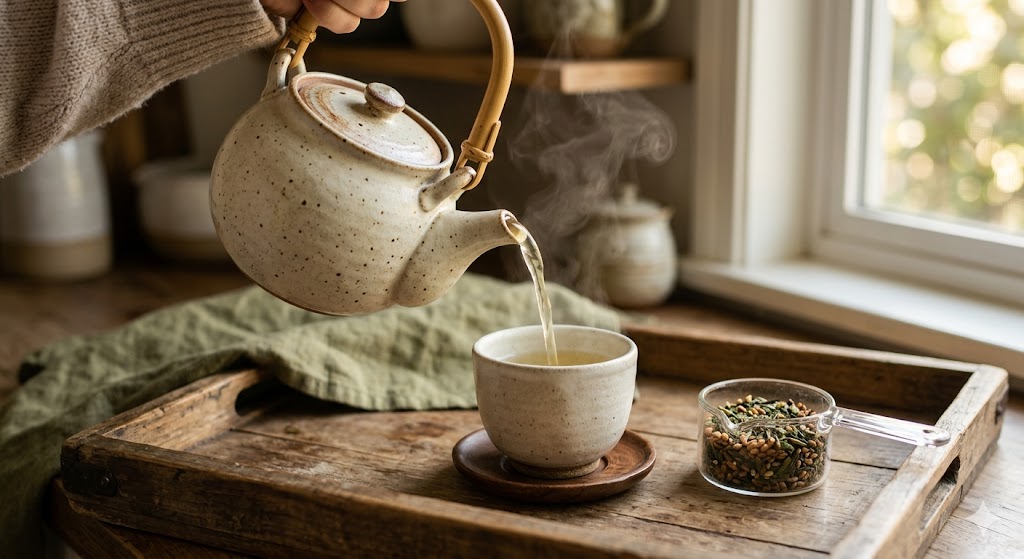
Standard Hot Brewing Parameters
The reliable baseline:
- Water temperature: 80-90C
- Tea amount: 1 teaspoon (approximately 2-3g) per 150ml water
- Steep time: 60-90 seconds
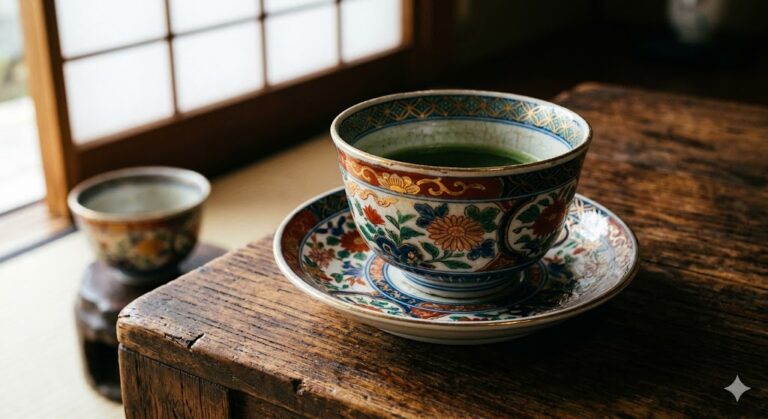
- Vessel: ceramic kyusu, ceramic mug with infuser, or glass teapot with strainer
The 80C end of the range produces a lighter, more delicate cup with more green
First vs Second Steeping
Good genmaicha holds up for two steepings:
First steep (as above): Bright, more aromatic, green
Second steep: Increase temperature by 5-10C. Increase steep time to 90-120 seconds. The second steep is often rounder and more sweet, with the grain character more prominent. Many people prefer the second steep for its softer, warmer character.
A third steep is possible but will be quite light and primarily grain-flavored. It’s pleasant as a digestive but lacks the complexity of the earlier steeps.
Stronger Genmaicha: For Lattes and Cooking
For a genmaicha latte or use in cooking, you need a concentrate. Brew at a doubled ratio — 2 teaspoons per 150ml at 90C for 2 minutes. The result is strong, slightly bitter on its own but perfect for diluting with milk or incorporating into recipes.
Genmaicha concentrate is excellent in:
- Lattes (add steamed milk in 2:3 ratio)
- Marinades for chicken or pork
- Rice cooking water (substitutes plain water for the final rice volume)
- Chilled over ice with a splash of lemon
Browse our genmaicha options here — including varieties specifically designed for latte applications.
Cold Brew Genmaicha
Cold brew is an exceptional way to experience genmaicha. The cold extraction over time produces a very smooth, sweet cup that emphasizes the toasted grain flavor while almost completely eliminating any bitterness.
Cold brew method:
- Use 2 teaspoons per 400ml cold water (higher ratio than hot brewing)
- Combine in a pitcher or covered container
- Refrigerate 6-10 hours (overnight works perfectly)
- Strain and serve over ice or chilled
Cold brew genmaicha is one of the most refreshing summer teas available — the grain sweetness really comes forward and the result is almost soft-drink satisfying. Perfect for summer afternoons.
Common Genmaicha Brewing Mistakes
Avoid these:
- Boiling water — at 100C, genmaicha’s green
tea component extracts bitter catechins aggressively. The result is harsh. Use 80-90C. - Over-steeping — beyond 2 minutes at hot brewing temperatures, the green
tea turns bitter and dominates the grain character. Stick to 60-90 seconds. - Too little leaf — genmaicha is denser by volume than pure leaf
tea because of the rice. A level teaspoon contains less actual greentea than a comparable teaspoon of sencha. Use a heaping teaspoon or measure by weight (2.5-3g). - Squeezing the leaves — pressing the infuser or squeezing the last drops extracts bitter compounds from compressed leaves. Let the
tea drain naturally.
Genmaicha With Matcha (Matcha-Iri)
Matcha-iri genmaicha has green matcha powder added to the standard blend. Brewing it requires slightly lower temperature than standard genmaicha — 75-80C — because the matcha component is more temperature-sensitive. The result is a deeper green color, fuller body, and more pronounced green
Frequently Asked Questions
Why does my genmaicha taste bitter?
Three likely causes: water too hot (above 90C), steeping too long (over 2 minutes), or too much leaf relative to water. Try reducing temperature to 80C and steeping for only 60 seconds. If bitterness persists, reduce the leaf amount slightly.
Can I use the rice in the genmaicha for anything after brewing?
The spent rice is soft and fully cooked after steeping. You can eat it — some people sprinkle the spent genmaicha mixture over rice bowls as a simple furikake. The flavor is mild and slightly toasty. This is fully within the Japanese tradition of minimizing food waste.
What is the difference between loose leaf and bagged genmaicha?
Significant quality difference.
Does genmaicha need filtered water?
Soft water improves all Japanese
How much caffeine is in genmaicha?
Approximately 15-25mg per 8oz cup, roughly half of sencha. The rice dilutes the caffeinated green