Japanese Soy Sauce Guide: Types, Differences, and When to Use Each
I used to think soy sauce was soy sauce. Living in Japan corrected that quickly. The soy sauce aisle at any decent Japanese supermarket has fifteen or more options. The differences are real, they matter in cooking, and understanding them makes Japanese cooking significantly better. Here’s the complete breakdown.
What Makes Japanese Soy Sauce Different
Japanese shoyu (醤油) is distinct from Chinese soy sauce (jiangyu) in ingredient composition, fermentation process, and flavor profile. Most Japanese soy sauces are made with roughly equal parts soy and wheat, brewed with specific Aspergillus mold cultures (koji) and fermented for 6 months to 2 years. Chinese soy sauces typically use higher soy content and different production methods, producing a more intensely salty, less complex flavor profile.
Neither is “better” — they’re suited to different cuisines. Using Chinese dark soy sauce in a Japanese recipe will produce noticeably different results than using proper Japanese shoyu.
The Five Major Types of Japanese Soy Sauce
1. Koikuchi (濃口醤油) — Dark Soy Sauce
The default. When a Japanese recipe says “soy sauce” without specification, this is what they mean. Roughly equal parts soy and wheat, fermented 1–2 years, with the deep reddish-brown color and complex flavor that defines “soy sauce” in most people’s experience.
Kikkoman is the most widely known koikuchi brand internationally. Regional and artisan producers make exceptional versions — Yamaroku’s aged kioke barrel shoyu and Yugeta’s organic shoyu are among the finest.
Best for: General cooking, marinades, dipping sauces, ramen tare, teriyaki, stir-fries, finishing.
2. Usukuchi (淡口醤油) — Light-Colored Soy Sauce
The name is deceptive: usukuchi means “light color,” not “light flavor.” Usukuchi is actually saltier than koikuchi — approximately 18–19% salt vs 15–16% — but paler in color. It’s used when you want soy sauce seasoning without the dark color that koikuchi would impart.
Particularly associated with Kansai (Osaka, Kyoto) cooking, where aesthetic appearance of food is highly valued. Clear soup with pale usukuchi seasoning looks completely different from the same soup seasoned with koikuchi.
Best for: Clear soups (suimono), chawanmushi egg custard, udon broth (especially Kansai style), dishes where maintaining original ingredient color matters.
3. Tamari (たまり醤油)
Tamari originated as a byproduct of miso production — the liquid that pools around aging miso. Modern tamari is produced specifically for its own properties: made almost entirely from soy with little to no wheat, fermented longer than koikuchi, producing a thicker, darker, more intensely savory sauce.
Tamari is the traditional choice for sashimi dipping in many Japanese sushi restaurants. Its thicker consistency clings to raw fish, and its complex, less wheat-forward flavor doesn’t overpower delicate sashimi.
Tamari is also the most accessible naturally wheat-free/gluten-free soy sauce for those with wheat sensitivity, though check labels as some producers add small amounts of wheat.
Best for: Sashimi dipping, yakitori glaze, rice cracker seasoning, any application where you want maximum umami without dilution.
4. Shiro Shoyu (白醤油) — White Soy Sauce
The palest of all Japanese soy sauces — almost straw-colored when fresh. Made predominantly from wheat with very little soy, fermented briefly at lower temperatures. The result is delicate, slightly sweet, with a light, almost vinegary quality.
Primarily used in Japanese haute cuisine and certain regional Aichi Prefecture dishes. Not widely used in everyday home cooking. The flavor is subtle enough that cooking with it significantly changes the character of familiar dishes.
Best for: Dishes where maximum color preservation is essential, as a finishing condiment in Japanese haute cuisine, in specific regional preparations.
5. Saishikomi (再仕込み醤油) — Twice-Brewed Soy Sauce
Also called kanro shoyu (sweet soy sauce). Made by re-brewing already-brewed soy sauce instead of salt water in the second fermentation, resulting in a sauce twice as intense as regular shoyu. Dark, thick, sweet-savory, and complex.
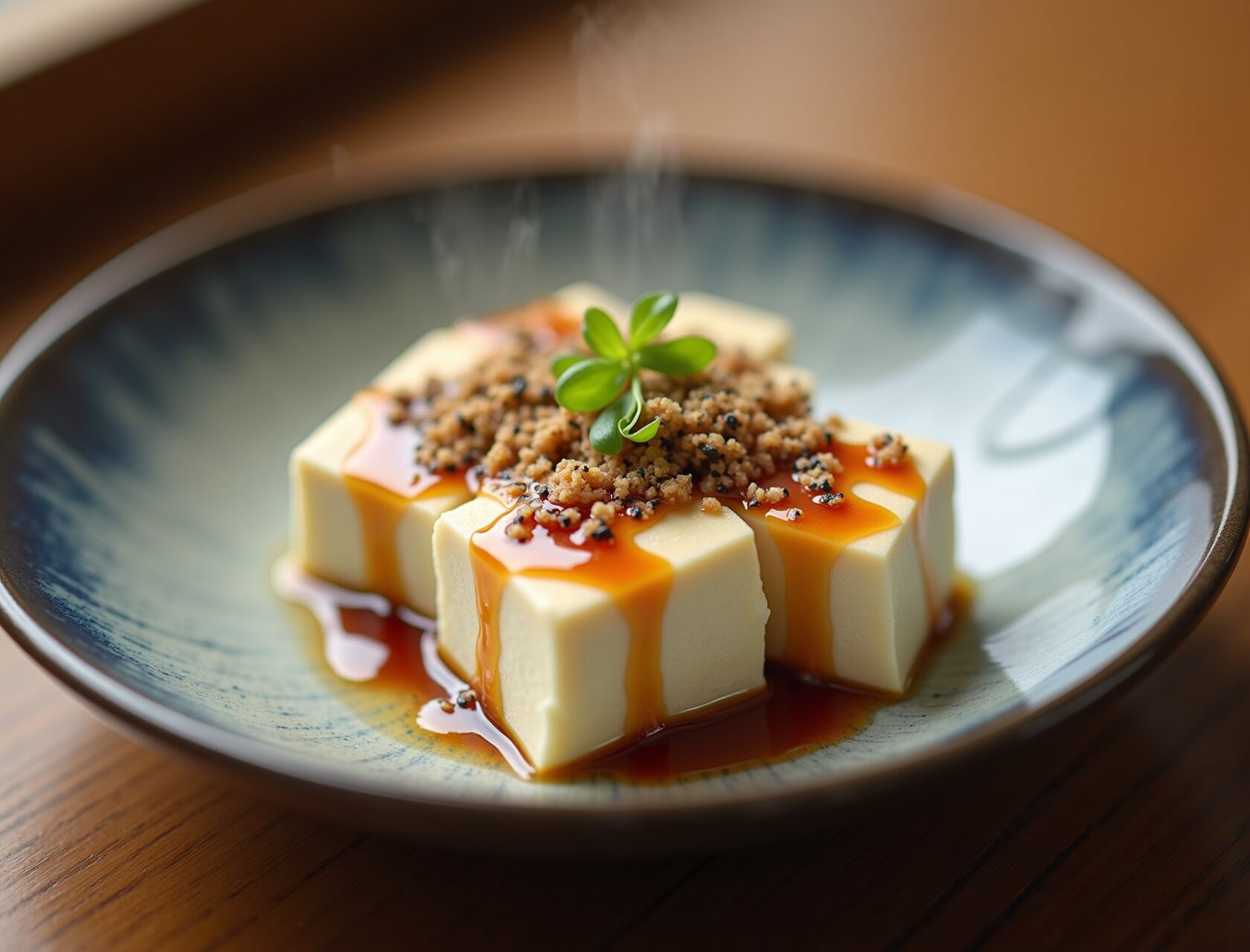
Yamaguchi Prefecture produces the most famous saishikomi — it’s used primarily as a finishing condiment or dipping sauce rather than for cooking, where its intensity would overwhelm. A few drops on fresh sashimi or tofu is the traditional application.
Best for: Finishing condiment, sashimi dipping in small amounts, premium applications where complexity is desired.
Specialty and Regional Soy Sauces Worth Knowing
Kioke barrel-brewed shoyu: Traditional wooden barrel fermentation is nearly extinct (less than 1% of Japanese soy sauce production). The barrels harbor specific microbial communities that contribute unique complexity. Yamacyu and Yamaroku are notable producers.
Dashi shoyu: Soy sauce pre-seasoned with dashi — convenient for dipping, noodle sauces, and quick applications. Dashi shoyu: Soy sauce pre-seasoned with dashi, widely used in cooking and as a finishing sauce at the table.
Low-sodium shoyu: Reduced salt versions using enzymatic or extraction methods. Useful for health-conscious cooking; flavor is noticeably different.
Storing and Using Soy Sauce
Soy sauce oxidizes after opening and flavor deteriorates over time. Refrigerate after opening and use within a few months for best results. Smaller bottles are preferable to large ones unless you’re using it quickly. The quality drop from fresh to several months old is particularly noticeable with premium artisan soy sauce.
Frequently Asked Questions
Is Japanese soy sauce healthier than other soy sauce?
All soy sauces are high in sodium. Japanese shoyu’s fermentation process may produce additional beneficial compounds (some studies suggest fermented foods including shoyu may have health benefits), but the sodium content means it should be used in moderation regardless of variety.
Can I substitute Chinese soy sauce for Japanese soy sauce?
For many cooking applications, yes — the flavor difference exists but won’t ruin a dish. For applications where soy sauce is the primary flavor (dipping sauce, finishing condiment), Japanese shoyu is worth using as intended. Chinese dark soy sauce should not be substituted for Japanese koikuchi in most recipes — it’s much darker and more intensely flavored.
What’s the best Japanese soy sauce for beginners?
A quality koikuchi — Kikkoman is widely available and genuinely good. Yamasa is another reliable mass-market brand with better distribution than many artisan producers. Once you have koikuchi handled, adding usukuchi opens up a second dimension for delicate preparations.
Why is high-quality soy sauce so expensive?
Traditional barrel-fermented soy sauce requires years of fermentation, wooden barrels that need maintenance, and skilled monitoring throughout the process. The economics of artisan production can’t compete with industrial manufacturing on price.