Japanese Tea Pairing Guide: Matching Tea with Food
Tea pairing is taken seriously in Japan — not with the elaborate ceremony of wine pairing, but with a practical, intuitive understanding of which teas complement which foods and why. Having spent years cooking Japanese food and drinking Japanese
The Basic Principle: Complement or Contrast
Japanese
Neither principle is “better” — the right pairing depends on what you want from the experience. Sometimes you want harmony; sometimes you want the
Pairing with Sushi and Sashimi
Best choices: Sencha, Gyokuro, Kabusecha
Raw fish has a natural sweetness and delicacy that responds well to the clean, vegetal brightness of good sencha. The
Avoid hojicha with delicate sashimi — the roasted character overwhelms the fish’s subtle flavors. Avoid matcha unless you’re specifically doing a
Pairing with Tempura
Best choices: Sencha, Bancha, Hojicha
Fried food — even excellent tempura — leaves a coating of oil on the palate. The tannins in green
Hojicha is an underrated choice with shrimp and seafood tempura — the roasted character pairs well with the caramelized batter. Bancha is the traditional, practical choice in everyday tempura restaurants because it’s economical, effective as a cleanser, and doesn’t compete with the food.
Pairing with Wagashi (Traditional Japanese Sweets)
Best choices: Hojicha, Bancha, Gyokuro
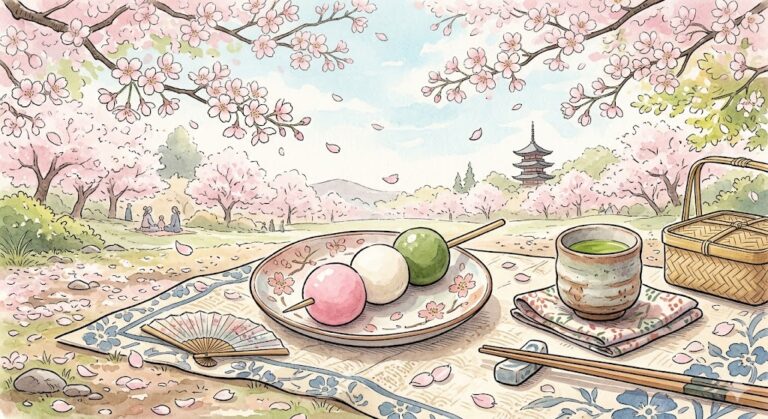
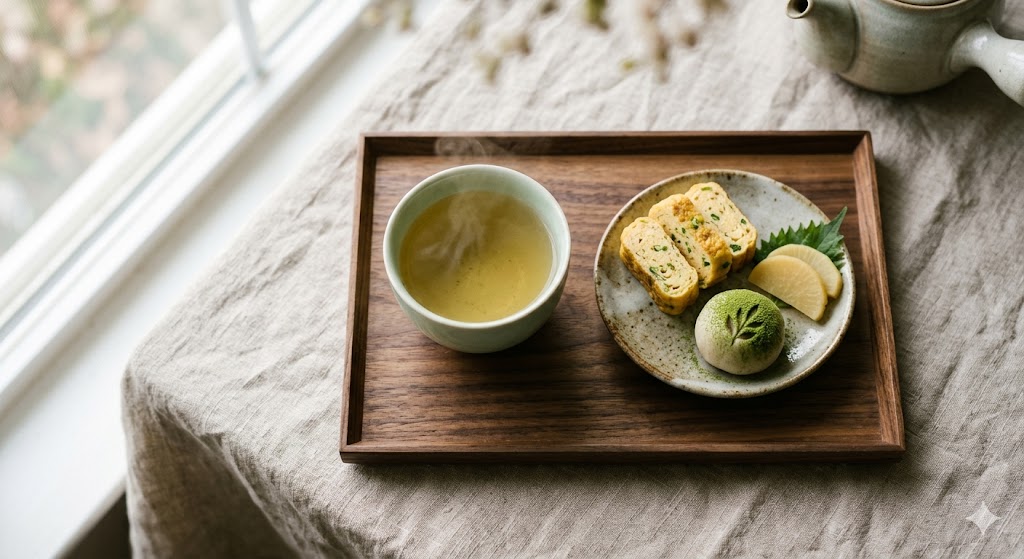
The traditional pairing of wagashi with
For everyday wagashi (daifuku, dorayaki, yokan), hojicha’s caramel warmth creates beautiful harmony with sweet bean filling. The sweetness of the bean paste meets the caramel of the roasted
Gyokuro with high-quality wagashi is a considered pairing — the intense umami of gyokuro against the subtle sweetness of fine confection creates a sophisticated contrast. This is the pairing you’d encounter in a specialty wagashi shop or
Our hojicha is particularly good with any red bean-based sweet.
Pairing with Miso Soup
Best choices: Bancha, Genmaicha, Hojicha
Miso soup is typically drunk alongside
Genmaicha’s toasty, grain-forward character works especially well alongside rice-heavy meals including those with miso soup — the grain in the
Pairing with Grilled Fish (Yakizakana)
Best choices: Sencha, Kabusecha, Hojicha
Salt-grilled whole fish — sanma, aji, salmon — is one of the most common Japanese everyday meals. The fish has both delicate flesh and crispy, slightly charred skin that benefits from both the green
Sencha with oily, flavorful fish like mackerel or sardines is a particularly good pairing — the
Pairing with Rice Dishes
Best choices: Genmaicha, Bancha, Hojicha
This is where genmaicha excels — its roasted brown rice component creates natural resonance with rice dishes of all kinds. Ochazuke (tea over rice) made with genmaicha or hojicha is a traditional application of this pairing principle taken to its logical conclusion.
Pairing with Western Food
Japanese
- Hojicha with chocolate desserts: The caramel notes align with dark chocolate and milk chocolate alike. An excellent non-alcoholic pairing for dessert.
- Genmaicha with cheese: The grain character bridges Japanese and Western flavor profiles surprisingly well. Try with aged cheddar or soft goat cheese.
- Kabusecha with light vegetable dishes: The sweetness and umami depth pair with roasted vegetables and simple salads.
- Sencha with seafood: The flavor affinity between green
tea and oceanic ingredients crosses cultural cuisine lines.
Temperature and Pairing
Hot
Frequently Asked Questions
What tea goes with sushi?
Sencha is the traditional and most versatile choice. Its clean, vegetal brightness complements the rice and fish without overwhelming. Green
What tea pairs with Japanese sweets?
Hojicha pairs beautifully with sweet red bean confections. Gyokuro pairs with premium wagashi in the
Can I drink hojicha with all Japanese food?
Hojicha is versatile but particularly well-suited to roasted, fried, and sweet preparations. It can overwhelm very delicate raw preparations like sashimi where sencha is better suited. For most everyday Japanese meals, hojicha is a safe and pleasant choice.
Is cold brew tea as good for pairing as hot?
Cold brew excels in summer pairings — lighter foods, refreshing contexts. For the full depth of flavor pairing, hot